
Why Pets Need Routine and How to Build One That Sticks

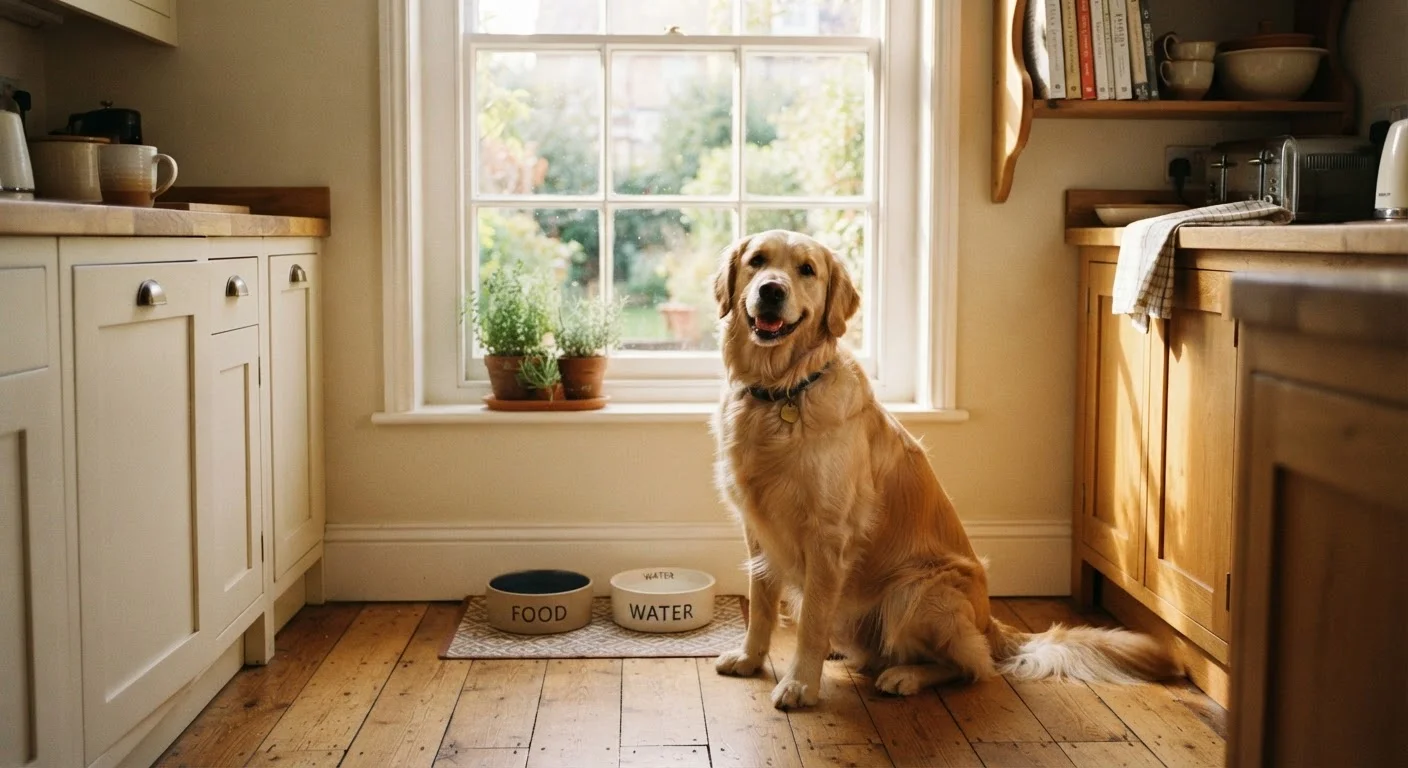
Photo: TotemBuzz.com | Your Lifestyle Companion editorial
Key Takeaways
- Pets rely on predictability to feel safe — inconsistency can cause anxiety and problem behaviors.
- A solid routine covers feeding, exercise, play, rest, and potty needs at consistent times.
- Even small households can build a workable schedule by starting with just two or three anchor points.
- Gradual adjustments are safer than sudden schedule changes for your pet's wellbeing.
- Routines benefit the whole family, not just the pet — they reduce daily decision fatigue too.
Why Predictability Matters to Animals
Animals experience time differently than we do, but they are remarkably good at anticipating repeating events. Dogs, cats, rabbits, and many other pets develop internal rhythms tied to feeding times, household noise patterns, and their owner's movements. When those patterns hold steady, pets feel secure. When they don't, stress can follow.
That stress isn't always dramatic. It might look like a dog pacing before an expected walk that never came, a cat vocalizing more than usual, or a rabbit that seems withdrawn. Veterinary behaviorists link chronic unpredictability to anxiety-related behaviors including destructive chewing, house soiling, and excessive grooming. A daily routine is one of the simplest, lowest-cost things you can offer your pet to support their emotional health.
It also benefits you. Knowing that the dog goes out at 7 a.m., eats at 8, and walks again at 6 p.m. removes a layer of daily guesswork — which is worth a lot when you're also managing work, kids, and everything else. See our guide to adjusting family life with a new pet for more on managing that transition.
~63%
U.S. households that own at least one pet
According to the American Pet Products Association's National Pet Owners Survey, pet ownership is a majority experience in American homes.
2x
More likely to show anxiety behaviors without routine
Veterinary behavior research broadly supports that environmental unpredictability is a leading contributor to anxiety-related behavior problems in companion animals.
The Core Elements of a Pet's Daily Schedule
Every good pet routine is built on a handful of non-negotiable pillars. The specifics vary by species, age, and household, but these categories apply broadly:
- Feeding: Meals at set times (rather than free-feeding) help regulate digestion, body weight, and appetite cues. Most adult dogs do well with two meals a day; cats vary, so ask your vet what's right for yours.
- Bathroom breaks: Dogs especially need predictable outdoor access — typically first thing in the morning, after meals, after play, and before bed. Puppies need much more frequent trips.
- Exercise and play: Physical activity isn't optional. It burns energy, maintains a healthy weight, and is one of the best natural outlets for anxious or bored behavior. Mental stimulation matters too — puzzle feeders, training games, and interactive toys count.
- Social time: Pets need interaction with their humans. Even fifteen focused minutes of play or calm company goes a long way.
- Rest: Puppies and kittens especially need significant downtime. Don't overlook sleep as part of the routine.
You don't need to nail all of this on day one. Start by locking in feeding and bathroom times, then add the rest as they become second nature.
Start Small — Two Anchor Points Is Enough
How to Build a Routine That Actually Holds
The most common reason pet routines fall apart is the same reason family routines collapse: they're built around an ideal day rather than a realistic one. Here's a more grounded approach:
- Identify two or three anchor points — fixed moments in your day that rarely move, like waking up, returning from work, and going to bed. Build pet care tasks around those.
- Write it down for the first two weeks. Habit formation benefits from external reminders. A simple note on the fridge is enough.
- Involve the household. If you have kids or a partner, agree on who owns which tasks. Shared responsibility is more resilient than a one-person operation. Check our Pets & Kids hub for tips on getting children meaningfully involved.
- Plan for disruptions. Travel, illness, schedule changes — these happen. Decide in advance who covers pet care when you can't, so the routine doesn't collapse entirely.
- Adjust gradually. If you need to shift a feeding time by an hour, do it in fifteen-minute increments over several days rather than all at once. Sudden changes are harder on pets than slow ones.
Also remember that grooming is part of the picture — a home grooming routine helps you catch health issues early and keeps your pet comfortable.
When to Revisit the Routine
A routine isn't a set-it-and-forget-it system. Life changes — and your pet's needs change too. Common triggers for a routine review include:
- A new baby or child joining the household
- A move to a new home
- A change in your work schedule
- Your pet aging into a new life stage
- A new health diagnosis
Regular vet visits are a natural checkpoint for this. Your veterinarian can help you decide whether the current schedule still serves your pet's age and health. See our explainer on routine vet check-ups if you're not sure what to expect at those appointments.
If you're still in the planning stage, our new pet preparation checklist walks through everything to have ready before your animal comes home — including setting up the right environment for routine-building from day one.
This article is for general informational purposes only and does not constitute veterinary advice. If you have concerns about your pet's behavior or health, please consult a licensed veterinarian.
Frequently Asked Questions
The content on this site is for informational purposes only and is not a substitute for professional advice. Always consult a qualified professional for guidance specific to your situation.