
Family Life with a New Pet: What Changes and What Helps

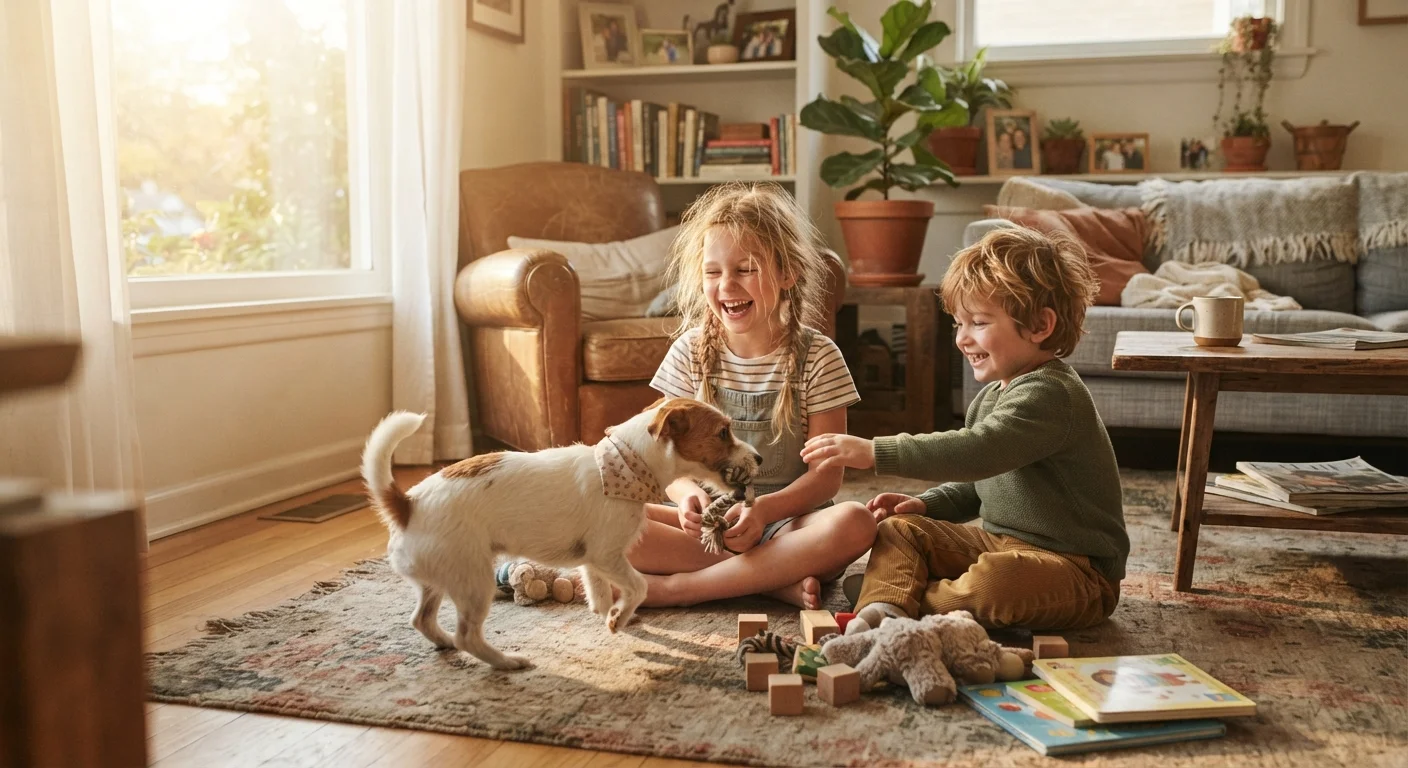
Photo: TotemBuzz.com | Your Lifestyle Companion editorial
Key Takeaways
- A new pet reshapes daily schedules, sleep, and household responsibilities for every family member.
- Children can gain real empathy and responsibility skills through age-appropriate pet care tasks.
- Financial and time costs are often underestimated — planning ahead makes a meaningful difference.
- Consistent routines help pets settle in faster and reduce stress for the whole household.
- Some challenges, like allergies or behavioral adjustment, require professional guidance early on.
Builds empathy and responsibility in children
Caring for an animal — feeding, grooming, noticing when something seems off — gives children a tangible, daily opportunity to develop compassion and accountability that extends beyond the home.
Provides companionship and emotional comfort
Pets offer a consistent, non-judgmental presence that many children and adults find genuinely soothing, particularly during stressful periods like school transitions or family changes.
Encourages more physical activity
Dogs in particular pull families outdoors more consistently. Regular walks and active play benefit both the pet and the people, often becoming a valued daily ritual.
Strengthens family bonds through shared routines
Joint responsibilities — morning feeding, weekend grooming sessions, evening walks — create natural touchpoints that bring family members together around a shared purpose.
Teaches children about life, loss, and care
The full arc of caring for an animal, including health challenges and eventually loss, offers age-appropriate lessons about life that are difficult to convey in any other way.
Significant ongoing time commitment
Pets require daily attention regardless of how busy or tired your household is. Families who underestimate this often find themselves overwhelmed within the first few months.
Costs are higher than most families expect
Routine veterinary care, food, grooming, boarding, and unexpected health issues can represent a substantial annual expense — one that deserves honest budgeting before adoption.
Adjustment period can be stressful for everyone
Pets and people both need time to settle into shared life. Sleep disruption, behavioral issues, and household accidents are common in the early weeks and can test the whole family's patience.
Allergy and health risks for some family members
Pet dander is a common allergen, and some children or adults may not discover a sensitivity until after the animal is already in the home. Pediatric guidance recommends discussing allergy history with a healthcare provider beforehand.
Limits flexibility for travel and spontaneous plans
Trips, late nights, and extended family outings all require advance planning around the pet's care needs, which can feel restrictive — particularly for families used to flexibility.
How Daily Life Actually Shifts
No matter how prepared you feel, adding a pet introduces friction into routines that previously ran on autopilot. Morning walks happen whether or not anyone slept well. Feeding schedules don't pause for school runs or busy evenings. Litter boxes, cages, and tanks need attention on a rhythm that suits the animal, not just your calendar.
The shift is most noticeable in the first few weeks. Most families describe a period of recalibration — figuring out who does what, when, and how often. See our guide to the early weeks at home for a realistic picture of what that adjustment period typically looks like.
Sleep can also be disrupted, particularly with puppies or kittens who haven't yet settled into a nighttime routine. Building a consistent daily schedule for your pet early on tends to shorten this phase significantly.
Builds empathy and responsibility in children
Caring for an animal — feeding, grooming, noticing when something seems off — gives children a tangible, daily opportunity to develop compassion and accountability that extends beyond the home.
Provides companionship and emotional comfort
Pets offer a consistent, non-judgmental presence that many children and adults find genuinely soothing, particularly during stressful periods like school transitions or family changes.
Encourages more physical activity
Dogs in particular pull families outdoors more consistently. Regular walks and active play benefit both the pet and the people, often becoming a valued daily ritual.
Strengthens family bonds through shared routines
Joint responsibilities — morning feeding, weekend grooming sessions, evening walks — create natural touchpoints that bring family members together around a shared purpose.
Teaches children about life, loss, and care
The full arc of caring for an animal, including health challenges and eventually loss, offers age-appropriate lessons about life that are difficult to convey in any other way.
The Genuine Upsides for Families
Beyond the challenges, the benefits families report are real and often lasting. Research suggests that children who grow up with pets may develop stronger empathy, better emotional regulation, and a sense of responsibility — though it's worth reading about what the evidence does and doesn't confirm before drawing firm conclusions.
Even very young children can take on small, meaningful roles in pet care — refilling a water bowl, gentle brushing, or simply sitting quietly with an animal builds connection and confidence. For older kids, a pet can be an anchor during difficult transitions. A steady companion during big family changes can offer comfort that's hard to replicate.
67%
U.S. households with a pet
According to the American Pet Products Association's National Pet Owners Survey, approximately 67% of U.S. households own a pet — reflecting how common this family transition is.
~$1,500+
Average first-year dog ownership cost
The American Society for the Prevention of Cruelty to Animals estimates that first-year costs for a dog — including supplies, food, and vet visits — can exceed $1,500, varying widely by animal size and health.
The Real Challenges to Prepare For
Honest preparation matters more than enthusiasm alone. Veterinary costs, food, grooming, and supplies add up faster than many families anticipate. A pet can also surface unexpected issues — allergies in a child, territorial behavior from an existing pet, or a child who turns out to be genuinely afraid of the animal. If that last scenario arises, compassionate, practical approaches can help the household find its footing.
It's also easy to underestimate how much a pet relies on the people around it. Animals don't adjust instantly, and stress behaviors — hiding, nipping, excessive vocalization — are common during the settling-in period. Knowing what to watch for in your pet's behavior helps you distinguish normal adjustment from something that needs veterinary attention.
Significant ongoing time commitment
Pets require daily attention regardless of how busy or tired your household is. Families who underestimate this often find themselves overwhelmed within the first few months.
Costs are higher than most families expect
Routine veterinary care, food, grooming, boarding, and unexpected health issues can represent a substantial annual expense — one that deserves honest budgeting before adoption.
Adjustment period can be stressful for everyone
Pets and people both need time to settle into shared life. Sleep disruption, behavioral issues, and household accidents are common in the early weeks and can test the whole family's patience.
Allergy and health risks for some family members
Pet dander is a common allergen, and some children or adults may not discover a sensitivity until after the animal is already in the home. Pediatric guidance recommends discussing allergy history with a healthcare provider beforehand.
Limits flexibility for travel and spontaneous plans
Trips, late nights, and extended family outings all require advance planning around the pet's care needs, which can feel restrictive — particularly for families used to flexibility.
Every Animal Is Different
This article is for general informational purposes only and does not constitute veterinary, medical, or financial advice. Consult a qualified professional for guidance specific to your pet and family situation.
Practical Steps That Make the Difference
A few habits, established early, reduce a lot of the friction that new-pet families typically experience. First, prepare your home before the animal arrives — a pre-arrival checklist covering space, supplies, and safety removes last-minute scrambling. Second, plan the first introduction between children and the new pet carefully: calm, structured first meetings set a tone that tends to carry forward.
Assign age-appropriate responsibilities to each family member before the pet arrives, not after. When everyone knows their role, the daily care load feels shared rather than falling to one exhausted adult. If you already have a baby in the home, the dynamics are different again — step-by-step guidance on managing that combination is worth reading separately. For smaller animals, don't assume they require less thought: small pets have their own real demands that beginners often overlook.
The content on this site is for informational purposes only and is not a substitute for professional advice. Always consult a qualified professional for guidance specific to your situation.