
Small Pets for Beginners: What Life with a Rabbit, Guinea Pig, or Bird Really Involves

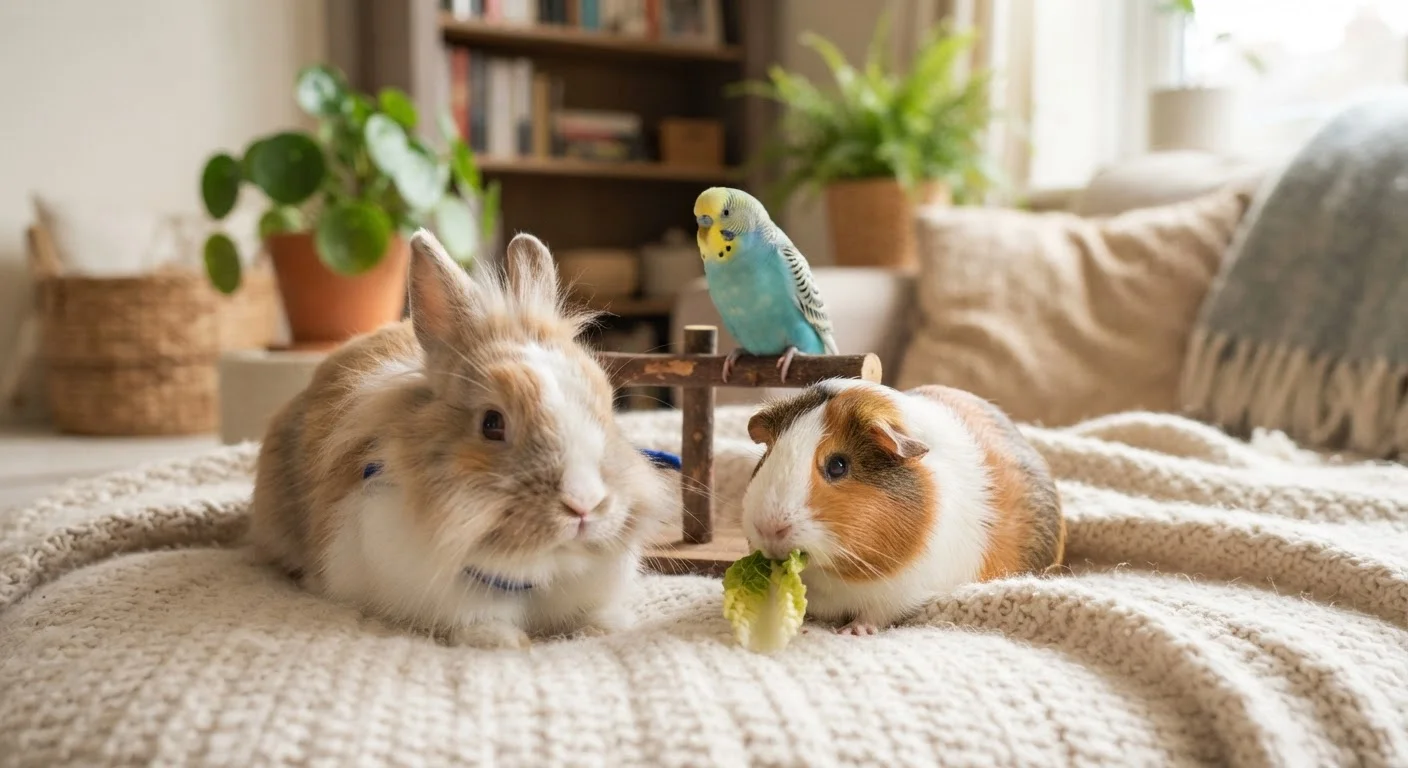
Photo: TotemBuzz.com | Your Lifestyle Companion editorial
Key Takeaways
- Small pets are not low-maintenance by default — each species has specific daily needs.
- Rabbits, guinea pigs, and birds all require social interaction and can suffer from loneliness.
- Space, noise, and time commitments vary significantly between small pet species.
- Veterinary care for small animals can be specialized and sometimes harder to find.
- Matching a pet's needs to your household's lifestyle is the most important first step.
Why 'Small' Doesn't Mean 'Simple'
When families start thinking about a first pet, small animals often seem like the sensible entry point. They don't need walking, they fit in an apartment, and they seem manageable. That impression isn't entirely wrong — but it leaves out a lot of the picture.
Rabbits, guinea pigs, and pet birds each bring genuine rewards, but they also arrive with care needs that surprise plenty of first-time owners. Understanding those needs upfront is the difference between a pet that thrives and one that's quietly struggling. If you're also weighing other options, our comparison of dogs and cats as first pets offers a useful contrast.
Below, we walk through five honest realities of life with small pets — covering space, socialization, health, cost, and daily time — so you can go in with clear expectations rather than surprises.
Space needs are bigger than the cage
A common misconception is that a small cage equals a small footprint. In reality, all three of these animals need significant room to move, and confinement without exercise causes real stress and health problems.
Rabbits should ideally have free-roam time in a bunny-proofed area for several hours daily — many owners give them access to an entire room. Guinea pigs are social and active; their enclosures should be far larger than what many pet stores stock. Birds need space to fly or at minimum stretch their wings fully, and parrots in particular can become distressed in cramped quarters. Before choosing a pet, think honestly about how much floor space and safe roaming area your home can offer.
A rabbit's cage is a home base, not a permanent residence — daily free time is essential.
These animals are social and can get lonely
Guinea pigs are perhaps the clearest example: in several countries, including Switzerland, keeping a single guinea pig is actually considered inhumane because the species is so reliant on companionship. Most guinea pig owners are advised to keep at least a pair.
Rabbits also benefit from bonding with another rabbit, though introducing two adults requires a careful, gradual process. Birds — especially parrots and cockatiels — need consistent daily interaction with people or other birds to stay mentally healthy. A bird left alone for long stretches can develop feather-plucking, screaming, or other distress behaviors. Factor in your typical daily schedule: is someone home regularly enough to meet these social needs?
Guinea pigs kept alone can experience real distress — companionship is a welfare requirement, not a bonus.
Daily care takes more time than people expect
Fresh food, spot-cleaning, water changes, and interaction are daily tasks for all small pets — not weekly ones. Rabbits need fresh hay replenished constantly (it should make up the bulk of their diet), along with fresh greens and a clean living space. Guinea pigs produce a surprising amount of waste and need regular cage cleaning to avoid respiratory and skin issues.
Birds require fresh food daily, cage liner changes, and mental stimulation — toys, foraging opportunities, and out-of-cage time. If your household travels frequently or has unpredictable schedules, think about how care will be covered. Small animals often can't be left alone for a weekend the way some people assume. This is part of the real family adjustment that comes with any new pet.
Daily hay, fresh greens, and cage cleaning are non-negotiable parts of rabbit and guinea pig care.
Veterinary care requires a specialist
Not every vet treats rabbits, guinea pigs, or birds. These are classified as exotic pets in many practices, which means you'll need to find an exotic or small-animal specialist in your area — and they may be less common and more expensive than a standard dog-and-cat vet.
This matters for routine care as well as emergencies. Rabbits, for instance, can go into gastrointestinal stasis — a potentially life-threatening condition where their digestive system slows or stops — and this requires prompt veterinary attention. Guinea pigs are prone to dental problems and vitamin C deficiency. Birds hide illness until they're quite unwell, which means annual wellness checks with an avian vet are genuinely worthwhile. Before committing to any of these pets, it's worth locating an appropriate vet in your area first.
Locate an exotic-animal vet before bringing your small pet home — emergency situations can't wait.
The costs add up beyond the initial purchase
The upfront cost of buying a rabbit, guinea pig, or bird is usually modest. But ongoing costs accumulate: bedding, hay, fresh produce, species-appropriate pellets, cage enrichment, and veterinary care can be meaningfully higher than many new owners anticipate.
Birds — especially parrots — can also live for decades. A cockatoo, for example, may live 40 to 60 years, which is a genuinely long-term commitment that outlasts many life stages. Even shorter-lived species like guinea pigs typically live 4–7 years, and rabbits commonly reach 8–12 years with good care. These aren't impulse decisions. Thinking through the full lifespan commitment — time, money, and life changes — is one of the most honest things you can do before choosing a small pet. Our first-weeks guide also touches on the financial side of early pet ownership.
Some pet birds live 40+ years — a longer commitment than many families initially consider.
Setting Yourself Up for a Good Start
None of what's above is meant to discourage you. Small pets genuinely enrich family life — guinea pigs are famously gentle with patient children, rabbits build real bonds with their owners, and birds can become interactive, engaging companions. The key is matching the right animal to the right household.
Try Before You Commit
Before bringing anyone home, spend time researching your specific species further. Our pre-arrival preparation checklist covers the supplies, space, and safety steps worth thinking through in advance. And if you have children at home, our guide to small pets in family homes digs into temperament and age-appropriateness in more depth.
Once you've brought a pet home, expect an adjustment period for everyone — including the animal. Our overview of the first weeks at home can help you recognize what's normal and when to check in with a vet.
This article is for general informational purposes only and is not a substitute for professional veterinary advice. Always consult a qualified veterinarian for guidance specific to your pet's health and needs.
The content on this site is for informational purposes only and is not a substitute for professional advice. Always consult a qualified professional for guidance specific to your situation.