
Building Your First Weekly Exercise Habit From Scratch

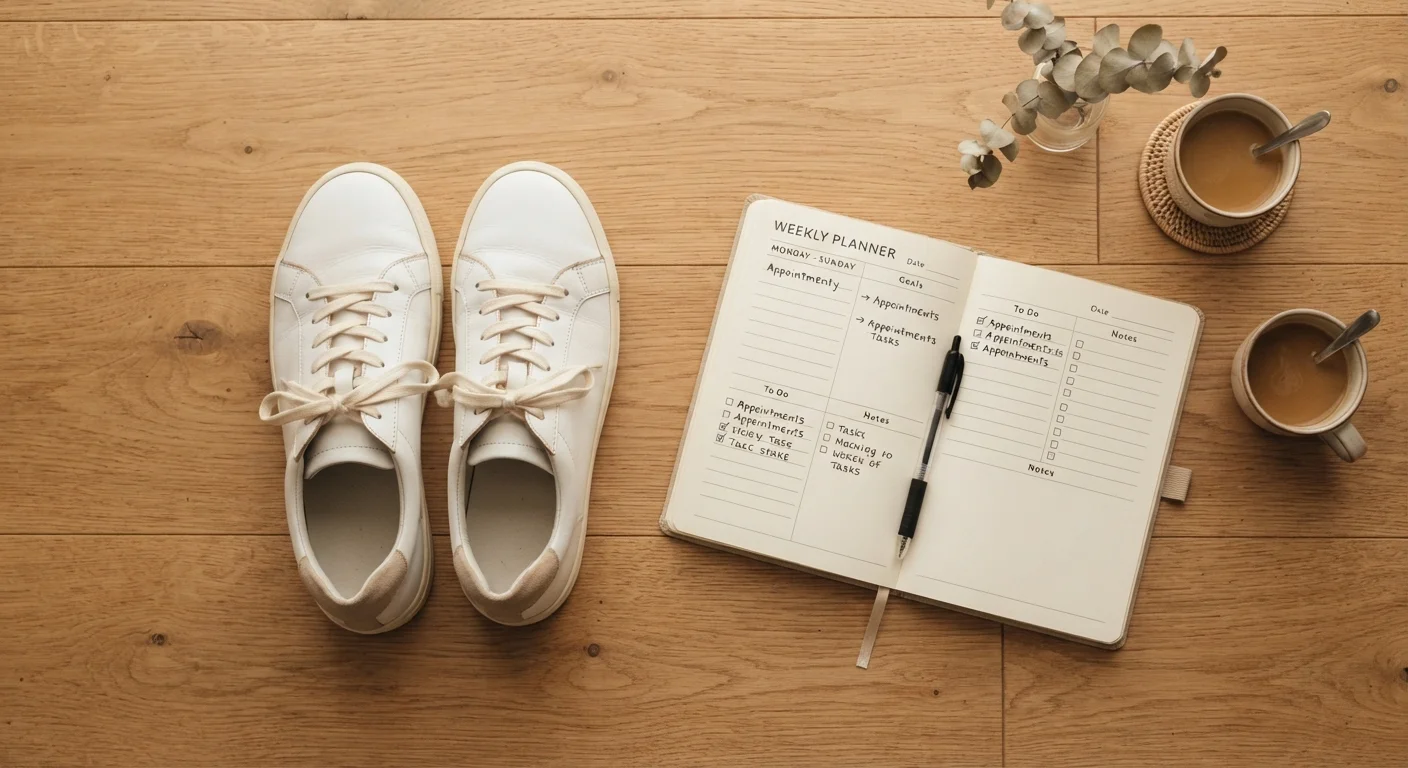
Photo: TotemBuzz.com | Your Lifestyle Companion editorial
Key Takeaways
- Starting small and consistent matters far more than starting intense and burning out.
- A realistic weekly schedule anchored to existing habits is easier to maintain long-term.
- Rest days are a planned part of any sustainable exercise routine, not a sign of failure.
- You do not need a gym membership, special equipment, or prior fitness experience to begin.
- Tracking simple progress — even just checking off days — helps reinforce the habit loop.
Why Beginners Struggle — and What Actually Helps
Most people who try to start exercising regularly don't fail because they lack willpower. They fail because the plan they chose was too ambitious, too vague, or disconnected from their real daily life. Understanding this upfront changes how you approach building a habit.
If you're starting from zero, our introduction to physical health basics is a helpful companion to this guide — it covers what to prioritise when you're new to fitness altogether.
The goal in these early weeks is not fitness transformation. The goal is to make movement feel like a normal, unremarkable part of your week — as automatic as brushing your teeth. That shift in expectation alone removes an enormous amount of pressure.
Check With Your Doctor First
What You'll Need Before You Start
Good news: the barrier to entry is genuinely low. You don't need a gym membership, specialized equipment, or a personal trainer to build a sustainable weekly movement habit. Here's what does help:
What you will need
Comfortable Supportive Shoes
Proper footwear reduces joint strain and helps prevent common beginner injuries during walking or bodyweight exercises.
Weekly Planner or Calendar
Scheduling sessions in advance treats exercise like an appointment and dramatically improves follow-through.
Yoga Mat or Non-Slip Surface
Provides cushioning and grip for floor-based stretching or bodyweight movements at home.
Free Fitness App or Timer
Helps you track session duration and rest periods without guessing, useful when starting structured routines.
Once you have the basics in place, you're ready to follow the steps below.
Step-by-Step: Building Your First Weekly Routine
Follow these steps in order. Each one builds on the last, so resist the urge to skip ahead to scheduling before you've honestly assessed where you're starting from.
Clarify your honest starting point
Before mapping out a schedule, take a few minutes to honestly assess where you are right now. Ask yourself: How many days per week are you currently moving intentionally? Can you walk for 10 minutes without feeling winded? Do you have any physical limitations or discomfort during movement?
There is no wrong answer here. This baseline simply helps you avoid the common mistake of planning a five-days-a-week routine when your body and schedule can realistically support two. Overcommitting early is one of the leading reasons beginners abandon new routines within the first month.
Choose a movement type that feels approachable
For most beginners, walking is the single most accessible starting point — it requires no equipment, no skill, and can be done almost anywhere. Our beginner walking guide covers common missteps that slow progress or cause discomfort.
Other low-barrier options include gentle bodyweight exercises (squats, modified push-ups, marching in place), beginner yoga flows, or short cycling sessions. The best movement type for habit-building is whichever one you'll actually do consistently — not whichever one burns the most calories.
Build a simple three-day weekly schedule
Start with three days of movement per week, not five or seven. Research consistently shows that beginners who start with manageable frequency are more likely to maintain the habit than those who go all-in immediately.
Spread your days to allow recovery — for example, Monday, Wednesday, and Friday. Each session should start at just 15 to 20 minutes. You can always extend duration once the habit feels natural. Write these sessions into your calendar as fixed appointments.
Set a specific session time and location
Vague intentions like 'I'll exercise sometime today' rarely happen. Instead, assign each session a specific time (7:00 a.m. before work) and a location (the park two blocks away, or your living room). The more concrete the plan, the less mental energy it takes to follow through.
This is where habit stacking becomes especially useful. See the tip below for how to link exercise to an existing daily anchor.
Track each session and celebrate small completions
After each session, mark it off — in a notebook, a calendar, or a simple app. This small act reinforces the habit loop: cue, routine, reward. Seeing a streak of check marks, even a short one, provides a motivating visual cue to continue.
Your reward does not need to be food or a purchase. It can be as simple as five minutes of reading something you enjoy, or acknowledging to yourself that you showed up. Over time, the movement itself often becomes its own reward as energy and mood improve.
Gradually increase duration or frequency — not both at once
Once three-day sessions feel comfortable and routine (typically after four to six weeks), you can consider progressing. The general principle used by exercise professionals is to increase total weekly activity volume by no more than roughly 10% per week — though this is a guideline, not a fixed rule for everyone.
Add five minutes to your sessions before adding a fourth day. Adding both duration and frequency simultaneously increases the risk of overuse discomfort and burnout. Slow, steady progression is genuinely more effective than rapid escalation for long-term habit formation.
Habit Stacking Makes It Stick
Pain Is Not Progress
Fitting Exercise Into a Busy or Family Life
One of the most common obstacles beginners mention is time — especially for those managing household or family responsibilities. The practical answer is usually not to find more time, but to protect small pockets of time that already exist.
Early mornings before others wake up, lunch breaks, or the 20 minutes after dinner are all viable windows. If you're navigating a shared household schedule, pairing your routine with family rhythms can help — for related ideas, see our article on building a family routine that sticks.
You can also complement your movement habit with other simple wellness habits. Our weekly self-care checklist covers hydration, sleep, and body care habits that support your new exercise routine without adding complexity.
This article is for general informational and educational purposes only and does not constitute medical advice. Always consult a qualified healthcare professional before beginning a new exercise program, particularly if you have existing health conditions or have been inactive for an extended period.
The content on this site is for informational purposes only and is not a substitute for professional advice. Always consult a qualified professional for guidance specific to your situation.