
Cardio, Strength, Flexibility, and Balance: The Four Pillars of a Well-Rounded Routine

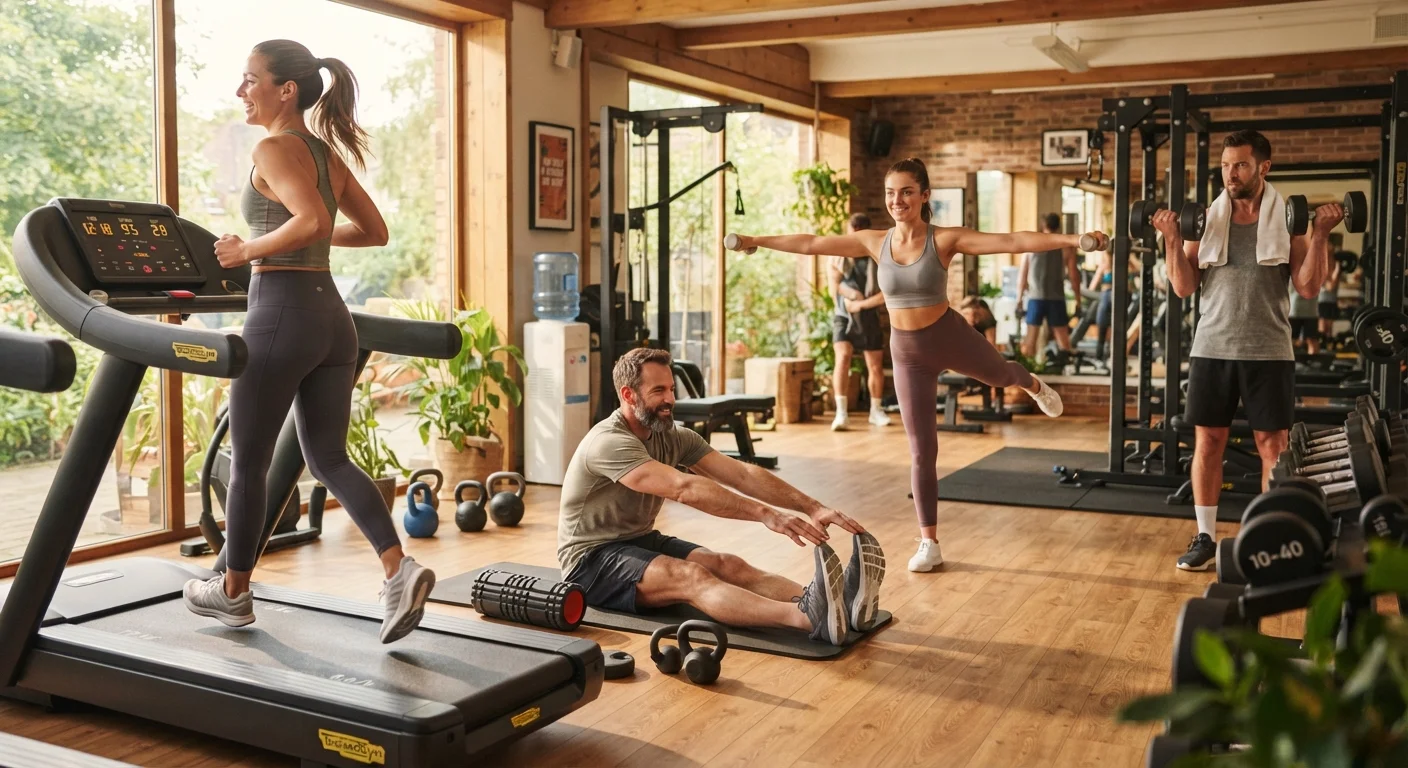
Photo: TotemBuzz.com | Your Lifestyle Companion editorial
Why One Type of Exercise Isn't Enough
If you've ever wondered whether you should run, lift weights, do yoga, or take a balance class — the answer, over time, is a little of each. Physical fitness is made up of several distinct qualities, and no single activity trains all of them equally well. Understanding what each pillar does for your body helps you build a routine that actually serves your health rather than leaving gaps you don't notice until later.
For a broader look at what fitness really means beyond the gym, see what physical fitness actually means. Here, we'll break down the four core movement categories that most health experts point to as the foundation of a complete routine.
The Four Pillars Explained
Cardio (Cardiovascular Endurance)
Cardio — short for cardiovascular exercise — is any rhythmic, sustained movement that raises your heart rate. Walking briskly, swimming, cycling, and dancing all count. Over time, regular cardio supports heart and lung health, helps the body manage blood sugar, and builds the stamina you need to get through a full day without fatigue.
Strength Training
Strength work challenges your muscles against resistance — whether that's bodyweight, free weights, resistance bands, or machines. It builds and preserves muscle mass, supports bone density, and makes everyday tasks like carrying groceries or climbing stairs feel easier. It also plays a role in maintaining a healthy metabolism as the body ages.
Flexibility
Flexibility refers to how far your joints and muscles can move through their full range of motion. Stretching — whether static holds after a workout or gentler practices like yoga — helps keep muscles from becoming tight and shortened. Good flexibility can reduce everyday aches, support healthy posture, and make other types of movement feel more comfortable.
Balance
Balance training focuses on your body's ability to stay steady and controlled during movement. This involves your muscles, joints, and nervous system all working together. For younger adults, good balance helps prevent falls during everyday activities. For older adults, it becomes especially important for independence and injury prevention.
Cardiovascular endurance
The ability of the heart and lungs to supply oxygen to the body during sustained physical activity. It improves with regular aerobic exercise like walking or cycling.
Resistance training
Exercise that makes muscles work against an opposing force — such as bodyweight, free weights, or bands — to build strength and muscle mass.
Range of motion
The full extent to which a joint or muscle can move. Flexibility work aims to maintain or increase this range over time.
Proprioception
The body's internal sense of its own position and movement in space. It plays a key role in balance and coordination, and can be trained through balance exercises.
Static stretching
A flexibility technique where you hold a stretch in a fixed position for a set period, typically done after exercise when muscles are warm.
How the Four Pillars Work Together
Each pillar complements the others in ways that aren't always obvious. Strength work supports balance by giving your muscles the power to stabilize your joints. Flexibility allows your body to move through a greater range, making both cardio and strength exercises safer and more effective. Cardio builds the endurance base that lets you sustain other types of training without burning out too quickly.
Neglecting any one area can create weak points. Someone who runs regularly but never stretches may develop tight hip flexors that eventually cause discomfort. Someone who lifts weights but skips cardio may notice they tire easily during light daily activity. A well-rounded routine doesn't mean equal time on all four — but it does mean each one gets some attention over the course of a week.
Balance Training Matters at Every Age
If you're just starting out and feel unsure how to structure your time, the beginner's guide to physical health offers grounded guidance on where to focus first. You can also use our weekly self-care checklist to start building consistent movement habits step by step.
This article is for general informational purposes only and is not a substitute for advice from a qualified healthcare or fitness professional. If you have any health conditions, injuries, or concerns, please consult a professional before beginning a new exercise routine.
The content on this site is for informational purposes only and is not a substitute for professional advice. Always consult a qualified professional for guidance specific to your situation.