
Everyday Posture and Its Surprisingly Wide Impact on Physical Health

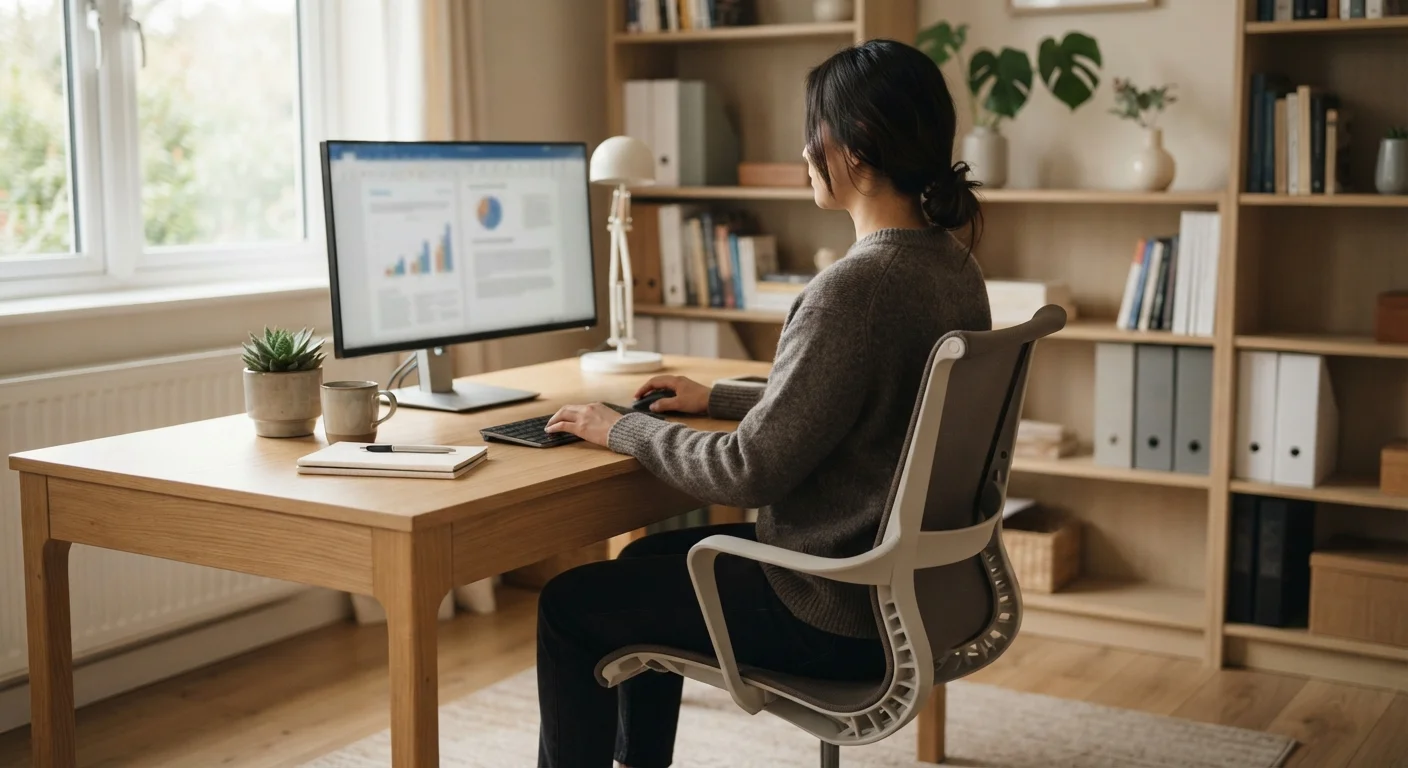
Photo: TotemBuzz.com | Your Lifestyle Companion editorial
Key Takeaways
- Poor posture places ongoing mechanical stress on muscles, joints, and the spine.
- Slouching can compress the lungs, subtly reducing breathing efficiency.
- Posture habits develop slowly — so small, consistent changes can make a real difference.
- Both sitting and standing posture matter; neither is inherently superior if done poorly.
- Strengthening core and back muscles supports better posture over time.
- A healthcare professional can help identify posture-related issues specific to your situation.
Why Posture Is a Health Habit, Not Just an Aesthetic One
Most of us were told at some point to "stand up straight" — but posture is rarely framed as a genuine health concern. In reality, the way you hold your body for hours each day has a measurable effect on muscles, joints, nerves, and even your breathing. It's one of the quieter physical health habits, but its impact accumulates steadily over time.
Because poor posture develops gradually, it rarely announces itself loudly. Instead, it tends to show up as nagging tension in the neck, tightness across the shoulders, or low-grade lower back discomfort that becomes the background noise of daily life. For a broader look at how posture fits into overall physical well-being, see Physical Health for Complete Beginners.
Awareness Is the First Step
How Poor Posture Strains the Body
When your body is out of alignment, certain muscles have to work harder than they should to keep you upright. Over time, overworked muscles become tight and fatigued, while the opposing muscles — no longer needed as much — weaken. This imbalance is a common root cause of the pain many people attribute simply to "getting older."
The spine is particularly sensitive to sustained poor alignment. Slouching rounds the upper back, flattens the natural curve of the lower spine, and places uneven pressure on spinal discs and the surrounding ligaments. Chronically forward head posture — common with phone and laptop use — significantly increases the effective load on the cervical spine (the neck region), which can contribute to headaches and nerve irritation over time.
~70°
Force on the neck from forward head posture
Research published in surgical technology journals has estimated that tilting the head 60–70 degrees forward can place up to 60 lbs of effective force on the cervical spine, compared to roughly 10–12 lbs in neutral position.
80%
Adults who experience back pain at some point
The National Institute of Neurological Disorders and Stroke estimates that around 80% of adults experience low back pain at some point in their lives, a condition frequently linked to postural and movement habits.
Joints beyond the spine are affected too. Knocked-in knees, collapsed arches, or habitually tilted hips can alter the way force travels through the body during walking or standing, contributing to discomfort in the knees, hips, and feet.
The Breathing Connection
One of the less obvious effects of poor posture is its influence on breathing. When the upper back is rounded and the chest collapses forward, the ribcage has less room to fully expand. This can subtly restrict the diaphragm — the primary muscle of breathing — and lead to shallower breaths throughout the day.
For most people, this doesn't produce dramatic symptoms, but shallow breathing over long periods can contribute to low energy, a sense of tension, and even mild anxiety. It's one of the ways that physical posture and mental well-being intersect. Recognising how stress shows up in the body is a useful companion to understanding these physical patterns.
Posture and Stress Can Reinforce Each Other
Building Better Posture Habits Over Time
The encouraging reality is that posture is a habit — and habits can change. You don't need to overhaul everything at once. A few consistent shifts, practiced daily, tend to produce real results over weeks and months.
- Create ergonomic awareness: If you sit for long periods, check that your screen is roughly at eye level, your chair supports your lower back, and your feet rest flat on the floor.
- Move regularly: Staying in any one position for extended periods — even a good one — creates strain. Brief standing or walking breaks every 30–60 minutes help reset muscle tension.
- Strengthen your core and back: Muscles support posture. Gentle exercises that target the core, upper back, and glutes make it easier to maintain alignment without conscious effort. See The Four Pillars of a Well-Rounded Routine for an approachable overview of how strength work fits into a balanced routine.
- Check in with yourself: Setting occasional reminders to notice your posture during the day — especially during screen time — builds awareness without demanding perfection.
You can incorporate posture awareness into your existing self-care habits. The Weekly Self-Care Checklist for Basic Physical Wellbeing offers a practical structure for doing exactly that.
This article is for general informational purposes only and does not constitute medical advice. If you have concerns about pain, discomfort, or posture-related symptoms, please speak with a qualified healthcare professional.
Frequently Asked Questions
The content on this site is for informational purposes only and is not a substitute for professional advice. Always consult a qualified professional for guidance specific to your situation.