
What 'Physical Fitness' Actually Means (And Why It's More Than Exercise)

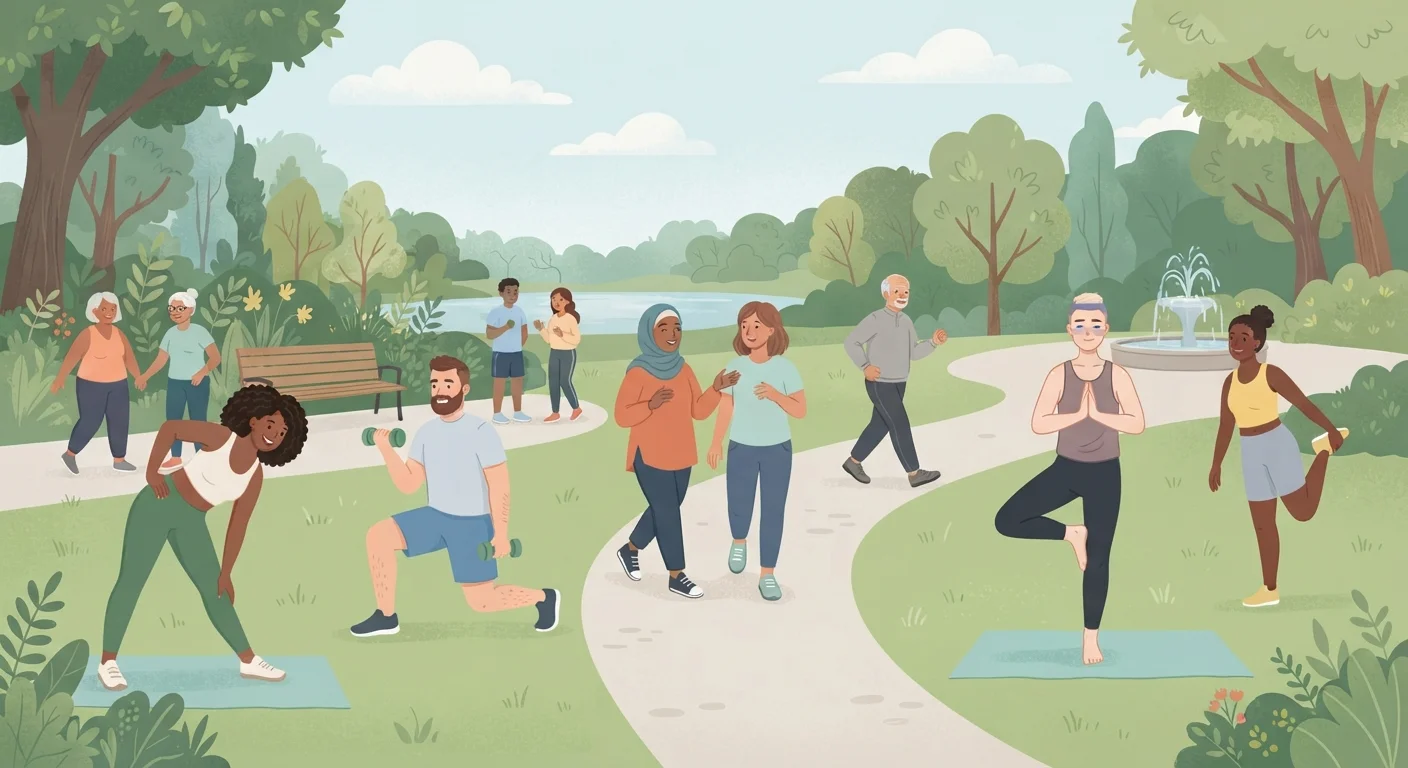
Photo: TotemBuzz.com | Your Lifestyle Companion editorial
Key Takeaways
- Physical fitness has five distinct components, not just one measure like cardio or strength.
- You don't need to be athletic to be physically fit — functionality in daily life is the real benchmark.
- Body composition is about the ratio of muscle to fat, not a number on the scale.
- Flexibility and muscular endurance are often overlooked but are critical for long-term health.
- Sleep and recovery are part of physical fitness, not separate from it.
- Improving even one component can have positive effects across the others.
Why the Definition of Fitness Matters
Most people associate physical fitness with gym sessions, running, or visible muscle. But that picture is incomplete — and for beginners, it can feel discouraging before you've even started. Understanding what fitness actually means makes it far more approachable.
The term covers five distinct, measurable components. No single workout style addresses all five, and no single metric — like your weight or mile time — tells the whole story. This broader definition is also why common fitness myths can be so persistent: they tend to focus on just one piece of a much larger picture.
Think of physical fitness less as a goal and more as an ongoing relationship with how your body moves, recovers, and functions day to day.
Fitness Is Personal — and That's Fine
The Five Core Components of Physical Fitness
Exercise science identifies five health-related components of physical fitness. Here's what each one means in plain terms:
- Cardiovascular endurance — how efficiently your heart and lungs deliver oxygen during sustained activity, like walking, swimming, or cycling.
- Muscular strength — the maximum force your muscles can produce in a single effort, such as lifting a heavy box.
- Muscular endurance — how long your muscles can sustain repeated effort without tiring, like carrying groceries up several flights of stairs.
- Flexibility — the range of motion available at your joints, which affects posture, injury risk, and ease of movement.
- Body composition — the ratio of muscle mass, fat tissue, bone, and water in your body, independent of total weight.
Each component supports the others. For example, better muscular endurance tends to support cardiovascular performance, and good flexibility can reduce injury risk during strength training. For a closer look at how these translate into actual workout choices, see our guide on the four pillars of a well-rounded routine.
5
Core components of health-related physical fitness
Exercise scientists and health organizations, including the American College of Sports Medicine, recognize these five components as the framework for assessing physical fitness.
150 min
Weekly moderate activity recommended for adults
The U.S. Department of Health and Human Services Physical Activity Guidelines for Americans recommend at least 150 minutes of moderate-intensity aerobic activity per week for most adults.
2x/week
Recommended muscle-strengthening frequency
The same federal guidelines suggest muscle-strengthening activities on two or more days per week — highlighting that strength is a distinct fitness target alongside cardio.
What Fitness Looks Like Beyond the Gym
Physical fitness isn't contained within workout hours. How you move throughout the day, how well you sleep, and how your body recovers all contribute meaningfully to your overall fitness level.
Sleep, in particular, is often underestimated. During rest, your body repairs muscle tissue, regulates hormones that affect energy and appetite, and consolidates physical adaptations from activity. Sleep belongs at the centre of any fitness plan, not as an afterthought.
Daily movement habits — taking the stairs, walking during lunch breaks, stretching in the morning — also accumulate over time and contribute to cardiovascular endurance and flexibility without requiring structured exercise sessions.
Start With What You Can Already Do
“Physical fitness is not only one of the most important keys to a healthy body, it is the basis of dynamic and creative intellectual activity.”
— John F. Kennedy, 35th President of the United States, in a 1960 Sports Illustrated essay on the importance of physical fitness in American life
Getting Started With a Balanced Perspective
If you're new to thinking about your physical health, the most useful shift is moving away from performance-based goals toward function-based ones. Can you climb stairs without losing your breath? Can you carry heavy bags without straining your back? These are fitness markers too.
You don't need to address all five components at once. Starting with whatever feels most accessible — a daily walk, gentle stretching, or light resistance exercises — builds a foundation you can expand from. Our beginner's guide to physical health offers a grounded starting point if you're unsure where to begin.
It's also worth noting that physical fitness and mental well-being are deeply connected — improving one often supports the other. Physical fitness is one important dimension of a broader picture of health.
This article is for general informational and educational purposes only and is not a substitute for professional medical advice. Always consult a qualified healthcare provider before starting any new exercise program, particularly if you have an existing health condition.
Frequently Asked Questions
The content on this site is for informational purposes only and is not a substitute for professional advice. Always consult a qualified professional for guidance specific to your situation.