
Why Sleep Is a Physical Health Habit, Not a Luxury

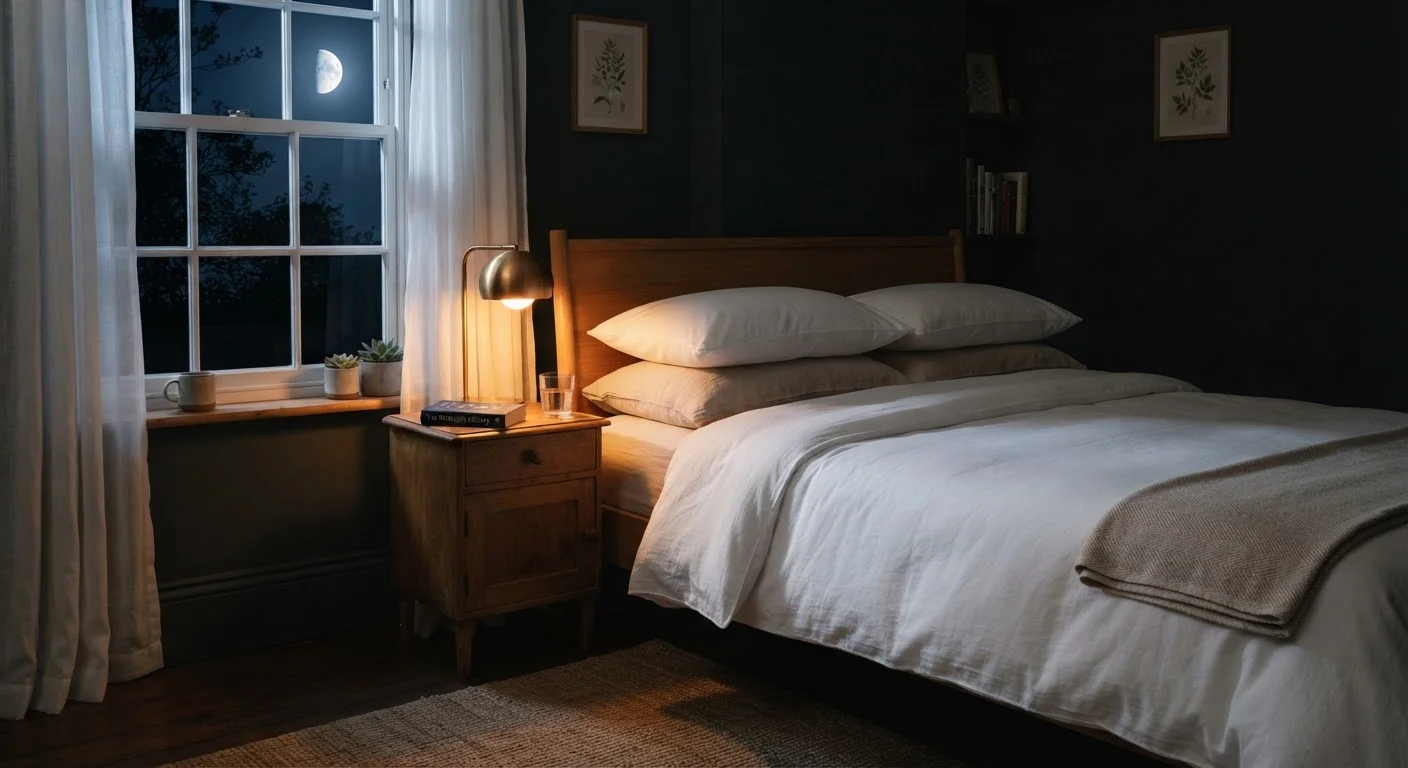
Photo: TotemBuzz.com | Your Lifestyle Companion editorial
Key Takeaways
- Sleep is when your muscles repair and grow stronger, making it essential for any fitness goal.
- Poor sleep disrupts hormones that control hunger, often increasing appetite the next day.
- Your immune system relies on adequate sleep to produce protective proteins called cytokines.
- Most adults need seven to nine hours of sleep per night, according to public health guidance.
- Consistent sleep timing — going to bed and waking at the same time — matters as much as total duration.
- Sleep is a core component of physical fitness, not a reward for completing your workout.
Sleep Is Where Physical Recovery Actually Happens
When most people think about getting fitter or healthier, they focus on what they do while awake — what they eat, how much they exercise, how many steps they take. Sleep tends to be treated as whatever is left over after everything else is done. But this framing gets the biology backwards.
During sleep, your body does some of its most important physical work. Muscles that were stressed during the day are repaired and rebuilt. Growth hormone — a key driver of this repair process — is released primarily during the deepest stage of sleep. Your cardiovascular system gets a chance to lower its workload. Blood pressure typically drops. Your brain clears waste products that accumulate during waking hours.
In other words, the workout you did today only fully pays off if you give your body the sleep it needs to process that effort. This is why sleep belongs at the centre of any physical health plan, especially for beginners. You can learn more about how sleep fits into the broader picture in our guide to what physical fitness actually means.
Think of Sleep as Part of Your Training
How Sleep Affects Appetite, Hormones, and Energy
Two hormones play a central role in regulating hunger: ghrelin, which signals that you are hungry, and leptin, which signals that you are satisfied. Sleep deprivation raises ghrelin levels and suppresses leptin — a combination that tends to increase appetite and cravings, particularly for calorie-dense foods. This is not a lack of willpower; it is a measurable hormonal shift.
Beyond hunger, poor sleep affects cortisol (the body's primary stress hormone), insulin sensitivity, and energy availability throughout the day. When you are sleep-deprived, your body is working harder just to maintain basic function, leaving less capacity for movement, focus, and recovery.
1 in 3
US adults not getting enough sleep
The CDC reports that approximately one-third of American adults regularly sleep fewer than the recommended seven hours per night.
7–9 hrs
Recommended nightly sleep for adults
The American Academy of Sleep Medicine and the Sleep Research Society recommend seven to nine hours of sleep per night for adults aged 18–60.
~70%
Of growth hormone released during sleep
Research consistently shows that the majority of daily human growth hormone secretion occurs during slow-wave (deep) sleep stages.
If you are just starting to build healthier habits and find that your energy or appetite feels unpredictable, sleep quality is a meaningful place to look — alongside nutrition and activity levels.
Sleep and Your Immune System
Your immune system is not separate from your physical fitness — it is part of it. During sleep, your body produces cytokines, which are proteins that help fight infection, inflammation, and stress. Chronic sleep deprivation reduces cytokine production, which can make you more susceptible to illness and slow your recovery when you do get sick.
For people who are new to regular exercise, this matters in a practical way: starting a new fitness routine temporarily stresses the body. Getting enough sleep helps your immune system manage that stress and keeps you healthy enough to stay consistent. Missing sleep while also ramping up physical activity is a combination that can tip the balance toward feeling run-down rather than energised.
Understanding the physical signs that your body needs more recovery time is a skill worth developing early. Our article on signs your body needs rest walks through what to watch for.
Sleep Affects Mental Health Too
Building Sleep as a Consistent Habit
Treating sleep as a habit means giving it the same intentionality you might give to a workout or a meal. A few principles are consistently supported by sleep research and public health guidance:
- Consistency matters: Going to bed and waking at roughly the same time each day — including weekends — helps regulate your body's internal clock, known as the circadian rhythm.
- Environment shapes quality: A dark, cool, and quiet room supports deeper, more restorative sleep for most people.
- Wind-down time helps: Reducing stimulating screen use and bright light exposure in the hour before bed can make it easier to fall asleep naturally.
- Caffeine timing counts: Caffeine has a half-life of around five to six hours, meaning an afternoon coffee can still be affecting your system at bedtime.
These are general wellness principles, not medical prescriptions. If you experience significant difficulty sleeping — including trouble falling asleep most nights, waking frequently, or feeling unrefreshed despite adequate hours — it is worth discussing this with a qualified healthcare provider, as sleep disorders are common and treatable.
For a broader starting point, our beginner's guide to physical health covers how sleep fits alongside nutrition, movement, and recovery as a foundation for long-term well-being.
This article is for general informational purposes only and is not a substitute for professional medical advice. If you have concerns about your sleep or health, please consult a qualified healthcare provider.
Frequently Asked Questions
The content on this site is for informational purposes only and is not a substitute for professional advice. Always consult a qualified professional for guidance specific to your situation.