
Bringing a Newborn Home to a Pet Already in the House

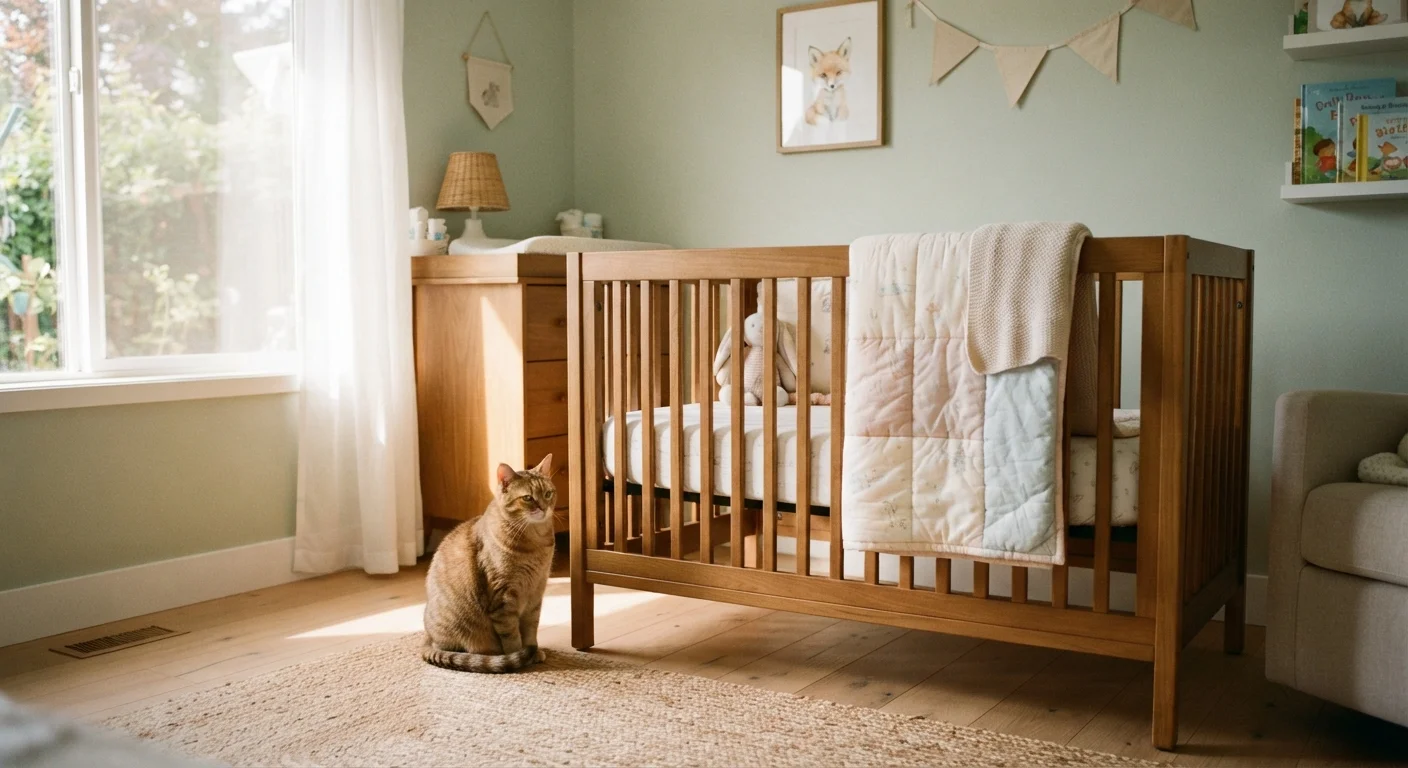
Photo: TotemBuzz.com | Your Lifestyle Companion editorial
Key Takeaways
- Start preparing your pet weeks before the baby arrives home, not on the day itself.
- Scent introduction before the first meeting significantly reduces pet anxiety.
- Establish baby-free zones and safe pet retreats to give your animal a sense of security.
- Supervised, calm first introductions set a positive tone for the months ahead.
- Consistency in your pet's routine is one of the most effective stress-reducers during this transition.
Why Preparation Matters More Than You Might Expect
For many pets, a newborn's arrival is one of the biggest disruptions they will ever experience. New smells, strange sounds, unfamiliar equipment, altered routines, and suddenly divided human attention — it is a lot. The good news is that most dogs and cats adapt remarkably well when their owners take a little time to prepare the ground in advance.
This guide focuses on practical, step-by-step actions you can take in the weeks before and the days immediately after bringing your baby home. If you are also thinking ahead to how your child and pet will grow up together, our guide to introducing pets to children covers the longer arc of that relationship. For a broader look at keeping everyone safe, see the complete safety checklist for homes with children and pets.
What you will need
What You'll Need Before You Start
Gather these tools and set them up before your due date so nothing is scrambled at the last minute. Having the right resources in place means you can focus on calm, positive experiences rather than logistics when the day arrives.
Used baby blanket or clothing item
Used to introduce the newborn's scent to your pet before the first in-person meeting.
Baby gate or door barrier
Creates a physical boundary to keep pets out of the nursery or sleeping area when unsupervised.
High-value treats
Used for positive reinforcement whenever your pet responds calmly to baby sounds, smells, or presence.
Pheromone diffuser (dog or cat formulation)
Releases calming synthetic pheromones into the room to help reduce pet anxiety during the transition.
Baby sound recordings
Played at low volume in advance so your pet can get used to crying and cooing before the baby comes home.
Step-by-Step: Preparing Your Pet for the New Arrival
Follow these steps in order, beginning as early as possible — ideally four to six weeks before your due date. Each one builds on the last, so rushing through or skipping ahead is not recommended.
Schedule a pre-baby vet check-up
Book a veterinary appointment several weeks before your due date. Confirm that vaccinations, flea and tick prevention, and deworming treatments are all current. This is also a great time to mention the upcoming change so your vet can flag any behavioral or health concerns specific to your pet. A healthy, parasite-free pet is a much safer companion for a newborn.
Adjust your pet's routine gradually
Babies disrupt household schedules significantly. Rather than letting this hit your pet all at once, begin gradually shifting feeding times, walk schedules, and play sessions to roughly match what life will look like after the baby arrives. Pets — especially dogs — are creatures of habit, and a slow adjustment is far easier on them than an abrupt change.
Set up boundaries and safe spaces
Install baby gates or use a closed door to make the nursery off-limits before the baby even arrives home. At the same time, ensure your pet has a comfortable, quiet retreat — a crate, a dedicated bed, or a separate room — where they can go when things feel overwhelming. Practicing these boundaries now, rather than enforcing them suddenly on arrival day, makes the transition far smoother.
Introduce the baby's scent before the first meeting
Before you bring the newborn home from the hospital, have a family member bring home a used blanket or article of clothing the baby has worn. Allow your pet to sniff the item calmly from a short distance rather than pushing it directly to their nose. If your pet is calm, reward with praise and a treat. Repeat this a few times over the first day or two so the scent becomes familiar, not alarming.
Plan a calm, structured first introduction
When you arrive home, greet your pet first — without the baby present — to let them release initial excitement. After a few minutes, bring the baby in while a second adult holds the pet on a leash (for dogs) or simply stays close by (for cats). Stay relaxed; your pet reads your energy. Allow the pet to look and sniff from a respectful distance. Keep the session short and positive, and end on a calm note.
Maintain consistent supervised interactions going forward
After the successful first meeting, keep building positive associations through short, supervised sessions where the pet is near — but not overwhelming — the baby. Reward calm behavior every time. Over weeks and months, your pet will begin to associate the baby's sounds and movements with positive experiences rather than stress. Always ensure an adult is present and attentive whenever pet and baby are in the same space.
Use Positive Reinforcement Throughout
Never Leave Pets and Newborns Unsupervised
Troubleshooting Common Challenges
Even with the best preparation, you may hit some bumps. Here are a few of the most common ones and how to approach them:
- Your pet ignores the baby entirely. This is actually a healthy response — they are processing the change in their own way. Continue rewarding calm proximity and do not force interaction.
- Your dog barks every time the baby cries. Practice desensitization by playing recordings of baby sounds (a tool card item listed above) at increasing volumes, rewarding quiet behavior throughout.
- Your cat jumps into the crib. Install a crib tent or keep the nursery door closed whenever the baby is sleeping. Cats are drawn to warm, soft spaces — prevention is simpler than correction.
- Your pet seems depressed or withdrawn. Make sure they are still getting dedicated one-on-one time with you each day, even if it is just ten minutes. Feeling invisible is a real source of stress for animals.
Watch for Signs of Stress in Your Pet
For broader context on how family life shifts when an animal is part of the household, the family life with a new pet article covers those adjustments thoughtfully. And if any of this feels overwhelming, remember: you are not starting from scratch — you already know your pet. Trust that knowledge, move at a manageable pace, and lean on your vet when you need support.
This article is for general informational purposes only and is not a substitute for advice from a qualified veterinarian or certified animal behaviorist. Every pet and family situation is different — consult a professional for guidance tailored to your circumstances.
The content on this site is for informational purposes only and is not a substitute for professional advice. Always consult a qualified professional for guidance specific to your situation.