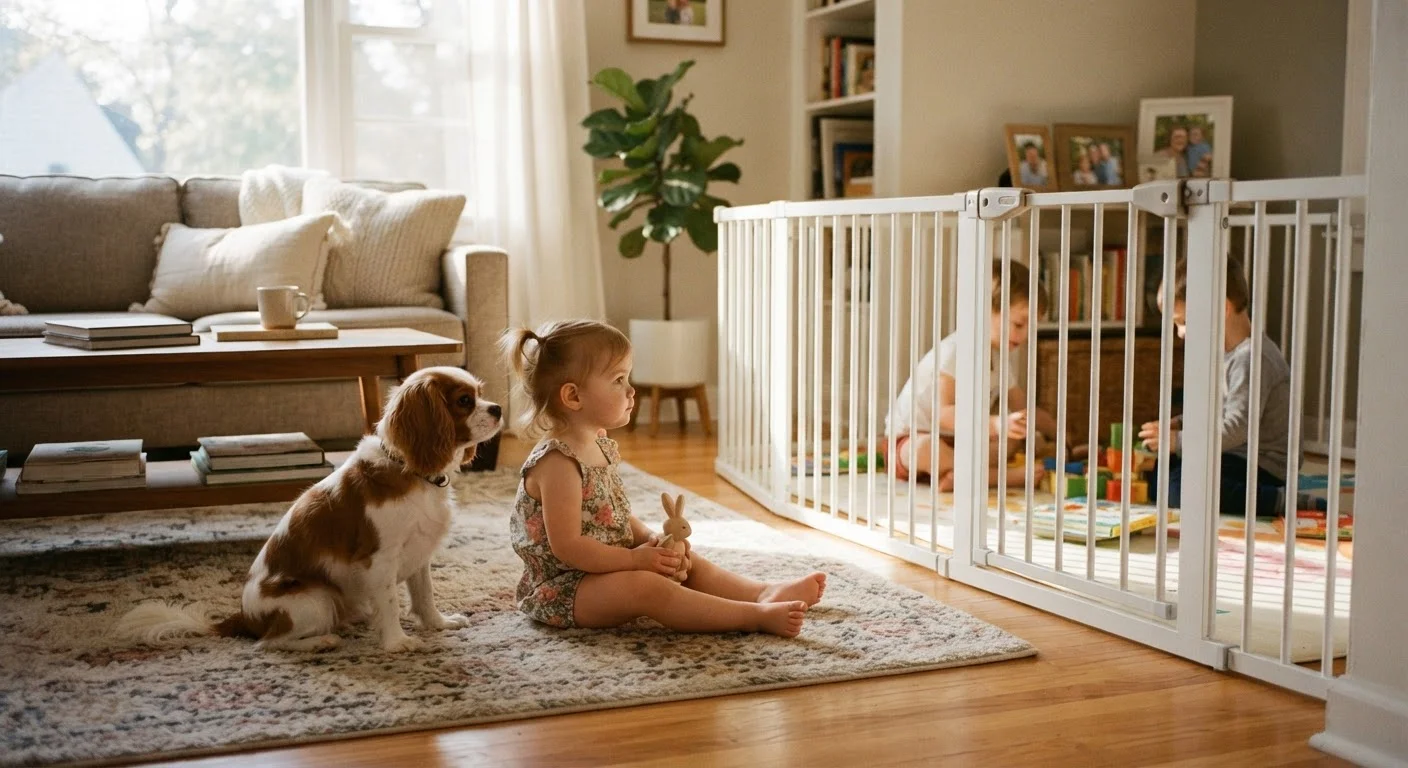
Photo: TotemBuzz.com | Your Lifestyle Companion editorial
A practical pre-arrival checklist covering space, supplies, supervision plans, and vet visits for families with kids.
Key Takeaways
A vet visit and health screening should happen before the pet meets your children.
Physical space prep — pet zones, baby gates, and safe retreats — protects both kids and animals.
Every adult in the household needs a shared supervision plan before the pet arrives.
Teaching children how to interact with animals is as important as training the pet itself.
Emergency contacts, including a local vet and poison control number, should be posted before day one.
Why a Checklist Matters Before the Pet Comes Home
Bringing a pet into a family with children is one of the most rewarding decisions you can make — and one of the most detail-heavy. The excitement of a new arrival makes it easy to skip steps that feel minor but turn out to matter quite a bit. A scratched toddler, a stressed animal, or a chaotic first week can all be traced back to skipped preparation rather than bad luck.
This checklist is designed to be worked through before the pet crosses your threshold — not after. Whether you're adopting a dog, cat, small mammal, or another companion animal, the categories below apply broadly. If you're still weighing which animal fits your household, our guide to choosing between a dog and a cat for families with young kids is a useful starting point.
Work through each group below, check off every item you can confirm, and flag anything that still needs attention before arrival day.
Required
Baby gates or pet barriers
Create physical boundaries between pet and child spaces, especially in infant areas and stairwells.
Required
Crate or pet carrier
Provides the pet with a secure retreat and aids in safe confinement during unsupervised periods.
Optional
Pet first-aid reference guide
Helps household adults recognize and respond to basic pet health emergencies before reaching a vet.
Optional
Notepad or shared family app
Logs vet appointment dates, vaccination records, and daily care responsibilities for all household members.
The Full Pre-Arrival Checklist
The items below are grouped into four logical stages: health and vetting, physical space preparation, household rules and supervision, and child readiness. Tackle them in order if you can — each stage builds on the last.
Health & Veterinary Screening
Schedule a vet visit for the pet before or immediately after adoption, and confirm vaccinations are current for your region.Must
Ask the vet to check for intestinal parasites and request deworming treatment if recommended.Must
Confirm flea and tick prevention is in place, using a method approved by your veterinarian as appropriate for your climate.Must
Discuss spay or neuter status with your vet and ask whether timing matters for temperament around children.Should
Post your vet's phone number and the ASPCA Animal Poison Control Center number (888-426-4435) in a visible household location.Must
Physical Space Preparation
Designate a pet-only retreat — a crate, bed, or gated room — where the animal can rest without being approached by children.Must
Install baby gates or pet barriers to keep the animal out of infant sleeping areas and to create child-free zones for the pet.Must
Store all pet food, litter boxes, and water bowls in locations children cannot easily access unsupervised.Must
Secure cords, small objects, and toxic houseplants that could harm either the pet or a curious child.Should
Check that pet supplies — leashes, carriers, food — are stocked and stored safely before the first day home.Should
Household Rules & Supervision Plan
Agree as a household on a written or verbal supervision rule: no child and pet together in a room without an adult present, especially in the first weeks.Must
Decide in advance which rooms or furniture are off-limits to the pet, and communicate these boundaries consistently to all caregivers.Should
Identify one adult who will be the primary contact for vet appointments and daily care to avoid tasks falling through the cracks.Should
Brief any regular babysitters, grandparents, or other caregivers on the household pet rules before they spend time with the kids and the animal.Must
Plan how the pet will be contained or separated during high-energy moments such as mealtimes, playdates, and bedtime routines.Should
Child Readiness & Education
Teach children age-appropriate pet body language — flattened ears, tucked tail, or growling signal that an animal needs space.Must
Practice the correct way to approach and touch the animal: slow movements, offering a hand to sniff first, no grabbing of tails or ears.Must
Establish a clear household rule that children do not disturb a pet that is eating, sleeping, or in its retreat space.Must
Read a picture book or watch an age-appropriate video with younger children about how to be gentle with animals before the pet arrives.Nice to have
Assign simple, supervised pet-care tasks to older children — filling a water bowl, for example — to build responsibility and positive connection.Nice to have
Discuss openly with children what to do if they feel scared of or hurt by the pet, so they know to tell an adult right away.Must
Never Leave Infants and Pets Alone Together
No matter how gentle your pet's temperament, very young children — especially infants and toddlers — should never be left alone with an animal, even briefly. This applies to dogs and cats that have shown no previous aggression. Children this age cannot read animal warning signs or protect themselves, and even a startled or playful pet can cause injury unintentionally. Build a supervision habit from day one and keep it consistent.
Once your household is set up and your family is prepared, the next step is the introduction itself. Our article on introducing a new pet to children walks through first-meeting approaches that tend to keep things calm for everyone involved.
If any child in your household has a history of asthma, eczema, or known allergies, speak with your pediatrician before the pet arrives — not after. Pet dander is a common trigger for respiratory and skin reactions in children. A healthcare provider can help your family weigh the risks and, if appropriate, discuss management strategies. This article is general information only and is not a substitute for personalized medical advice.
Pets & Family Editorial Team is the collective byline for our editorial team and contributor network. Articles published under this byline or an editorial pen name are researched, written, and reviewed according to our editorial standards for clarity, consistency, and independence before publication.
The content on this site is for informational purposes only and is not a substitute for professional advice. Always consult a qualified professional for guidance specific to your situation.