
Pets and Young Children Living Together: What Every New Parent Should Know

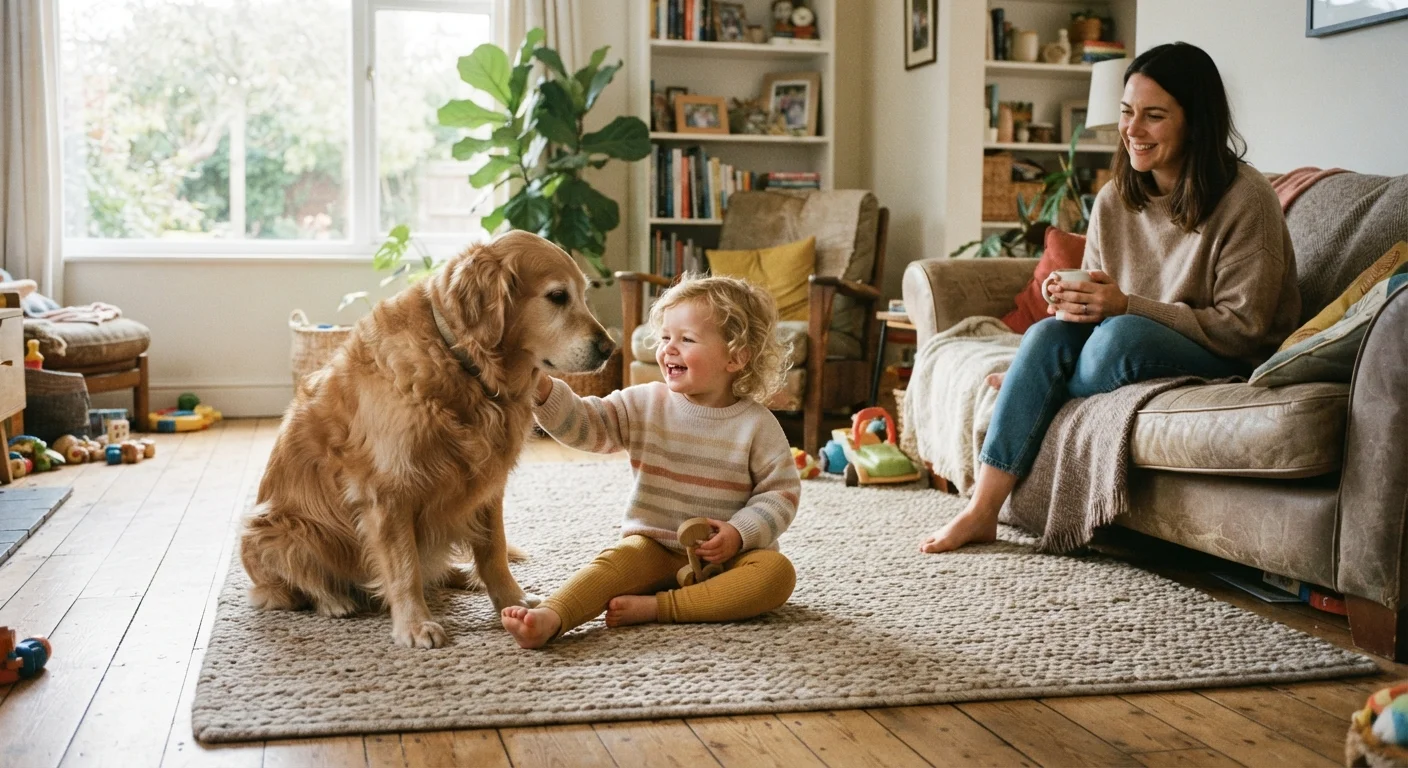
Photo: TotemBuzz.com | Your Lifestyle Companion editorial
Key Takeaways
- Supervision is non-negotiable — no age of child or temperament of pet removes the need for adult oversight.
- Pets need their own safe retreat space away from children; this reduces stress and prevents conflict.
- Teaching children gentle, respectful interaction habits early prevents most incidents before they happen.
- The first weeks of cohabitation set important behavioral patterns for both pet and child.
- A family's needs, home layout, and the pet's history should all shape which type of animal is a good fit.
- Regular veterinary care and basic training are foundational safety tools, not optional extras.
Why This Combination Is Rewarding — and Genuinely Challenging
Plenty of families raise children and pets under one roof without serious incident — and many describe the combination as one of the best decisions they've ever made. Kids who grow up alongside animals often develop a sense of responsibility, empathy, and connection that's hard to replicate any other way. But those outcomes don't happen automatically. They're the product of deliberate parenting, realistic expectations, and a household setup that keeps everyone's needs in view.
The challenge isn't that pets and children are incompatible — it's that both are unpredictable in their own ways. Toddlers grab, shriek, and move erratically. Pets communicate discomfort through body language that most young children simply can't read. When those two realities collide without adult guidance, friction is almost inevitable. This guide is designed to help you anticipate that friction and build the structures that prevent it from becoming something more serious.
If you're about to add a pet to a home that already has children — or you have a baby on the way and already own a pet — our guide to family life with a new pet is a helpful companion to start with.
Zoonotic disease
An illness that can pass from animals to humans. Common examples include ringworm and certain parasites; basic hygiene and regular vet care significantly reduce this risk.
Stress signals
Behaviors an animal displays when it feels uncomfortable or overwhelmed — such as yawning, lip-licking, hiding, or a tucked tail. Recognizing these early can prevent escalation.
Safe retreat space
A designated area in the home where a pet can go to rest undisturbed, completely out of reach of children. It helps the animal feel secure and reduces anxiety.
Desensitization
A gradual process of introducing a pet to new stimuli — like baby sounds or equipment — at a low intensity so they learn to remain calm around them over time.
Bite threshold
The point at which a stressed or overstimulated animal may snap or bite. Every animal has one; recognizing the warning signs before that threshold is reached is a core safety skill.
Foundational obedience
Basic commands — like sit, stay, and leave it — that help a dog understand boundaries and respond reliably to human cues. These are especially important in homes with young children.
Understanding the Risks Before You Minimize Them
According to the American Veterinary Medical Association, dogs bite millions of people in the United States each year, and children — particularly those aged 5 to 9 — are among the most frequently affected. This isn't a reason to avoid pet ownership; it's a reason to take preparation seriously. The majority of bites and scratches happen in familiar settings, from animals the child knows, often during interactions that seemed ordinary.
Cats and smaller animals carry their own risks: scratches, bites, and zoonotic diseases (illnesses that can transfer between animals and humans). Young children are especially vulnerable because their immune systems are still developing. Keeping pets up to date on vaccinations and parasite prevention, and practicing basic hygiene — like handwashing after contact — goes a long way toward managing these risks.
Familiar Settings Are Where Most Incidents Happen
It's also worth acknowledging that some children are fearful of animals, even beloved family pets. If your child seems anxious rather than curious around your pet, our article on helping a child who fears the family pet offers compassionate, practical guidance.
Safety Fundamentals Every Family Needs in Place
Before anything else, certain baseline structures need to be in place. Think of these as your non-negotiables:
- Supervision: No child under ten should be left alone with a pet, and younger children need an adult physically present — not just nearby. Our supervision ages reference guide covers appropriate oversight by developmental stage.
- Safe retreat space: Every pet needs a place — a crate, a room, a high perch for cats — where children cannot follow. This is not a punishment; it's a pressure valve that prevents a stressed animal from feeling cornered.
- Basic training: Dogs especially benefit from foundational obedience — sit, stay, leave it — before a child enters the picture. Even a well-tempered dog needs consistent boundaries.
- Veterinary care: Up-to-date vaccinations, flea and tick prevention, and regular wellness checks are safety essentials, not optional extras.
- Household hygiene: Establish consistent handwashing routines after handling pets, cleaning litter, or touching pet food.
For a more detailed pre-arrival checklist, see our companion article the complete safety checklist before a pet enters a home with children.
Make the Pet's Retreat Truly Off-Limits
Helping Your Pet Adjust to Life With a Child
Your pet's experience of this transition matters enormously — and it's often overlooked. Animals thrive on routine, and a new baby or a growing toddler disrupts almost every routine in the household. Before a newborn arrives, gradually introduce your pet to baby-related sounds, smells, and equipment. Let them explore the nursery under supervision. Maintain their feeding and exercise schedule as consistently as possible during the adjustment period.
Watch for behavioral changes that signal stress: changes in appetite, elimination habits, excessive grooming, or withdrawal. These are your pet's way of communicating that they're struggling. Early intervention — often just a veterinary conversation — is far easier than addressing entrenched anxiety later. Our article on introducing a new pet to children outlines specific approaches that tend to ease these transitions.
Teaching Children How to Interact With Pets
Children are not born knowing how to read animal body language — that's a learned skill, and it takes years to develop. Your job as a parent is to be the interpreter in the meantime. Age-appropriate guidance makes a real difference:
- Toddlers (1–3 years): Focus on gentle touch with open hands, never pulling tails or ears. Short, supervised interactions only. Use simple, repeated phrases like "gentle hands."
- Preschoolers (3–5 years): Begin teaching basic signals — if a dog walks away, we let it go. If a cat's tail is flicking fast, we give them space.
- Early school age (5–8 years): Introduce the concept of consent — asking permission before approaching someone else's pet, and recognizing when an animal doesn't want interaction.
Avoid common missteps that seem harmless but undermine trust between child and pet. Our article on well-meaning mistakes parents make with pets and children walks through the most frequent ones and how to sidestep them.
Supervision Ages: How Much Adult Oversight Do Kids Need Around Pets?
A developmental reference guide covering age-appropriate supervision levels for children interacting with family pets — useful for setting realistic expectations as your child grows.
The Complete Safety Checklist Before a Pet Enters a Home With Children
A practical pre-arrival checklist covering space setup, supplies, supervision planning, and vet visits for families bringing a pet into a home with kids.
Small Pets for Families With Children: Rabbits, Guinea Pigs, and Beyond
An honest look at small mammals as family pets — their care needs, temperaments, and how well they suit homes with young children.
Building a Long-Term Plan That Grows With Your Family
Living successfully with pets and children isn't a single event — it's an ongoing practice. As your child develops, their capacity for responsibility and empathy around animals grows. A five-year-old can help fill a water bowl with supervision; a nine-year-old might take on feeding duties. Assigning age-appropriate tasks gradually builds both competence and genuine connection.
Periodically reassess how the arrangement is working. Is the pet's quality of life being maintained? Is your child's behavior around the animal still appropriate? Are there new stressors — a move, a new sibling, a change in routine — that might need to be accounted for? Families that check in regularly tend to catch small problems before they grow.
Choosing the right pet for your specific family is also part of a long-term plan. If you're still deciding, compare options with our articles on dogs versus cats for families with small children and rescue pets versus puppies or kittens.
This article is for general informational purposes only and is not a substitute for advice from a licensed veterinarian, pediatrician, or certified animal behaviorist. Always consult a qualified professional for guidance specific to your child's health and your pet's behavior.
Frequently Asked Questions
The content on this site is for informational purposes only and is not a substitute for professional advice. Always consult a qualified professional for guidance specific to your situation.