
Rescue Pet vs. Puppy or Kitten: Which Is Easier to Manage With Kids at Home?

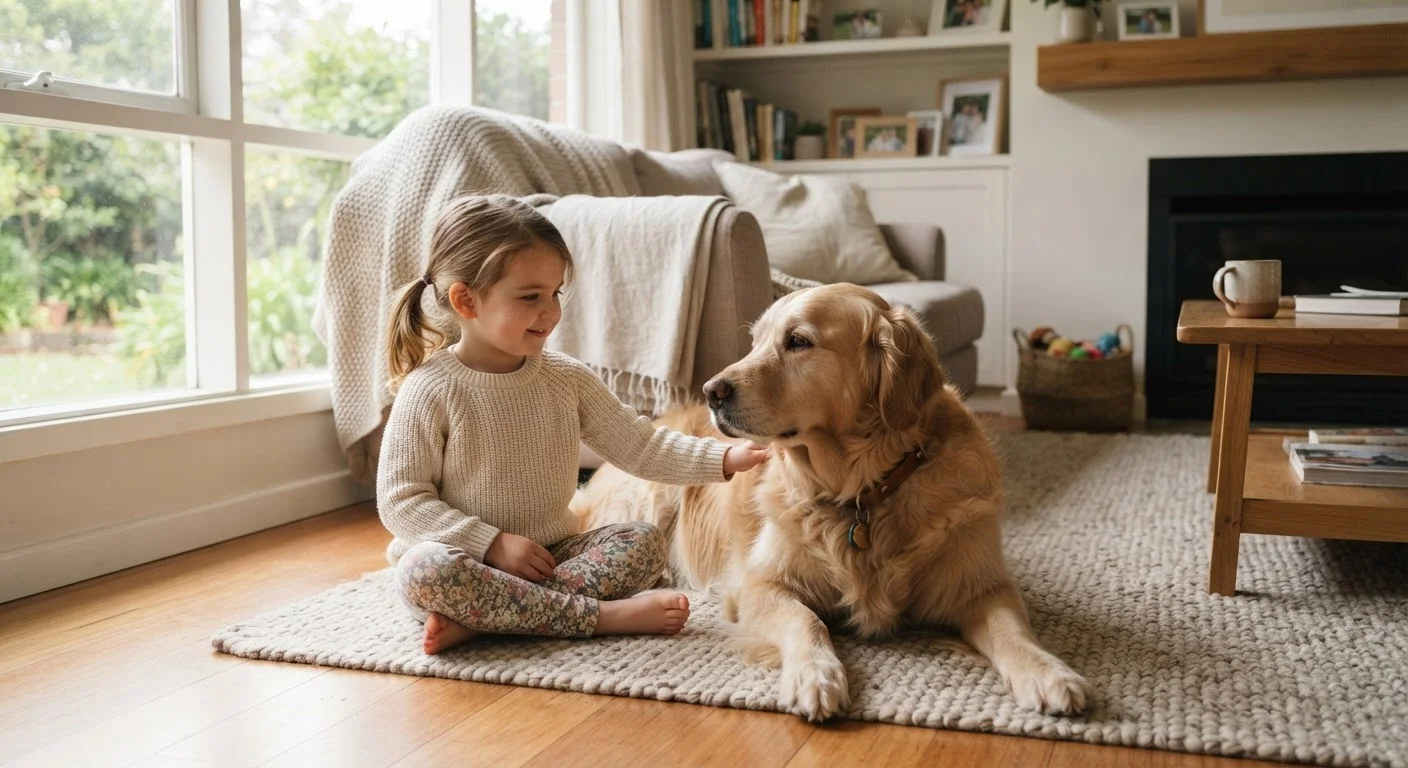
Photo: TotemBuzz.com | Your Lifestyle Companion editorial
Key Takeaways
- Rescue pets often arrive with known temperaments, which can make compatibility with kids more predictable.
- Puppies and kittens require intensive time investment that can strain busy families with young children.
- Shelter staff can match families with animals already assessed around kids.
- Either path works — preparation, supervision, and gradual introductions are the true safety foundations.
- A child's age and energy level should guide which option fits your household best.
The Core Question: Predictability vs. a Fresh Start
When you're already managing school runs, mealtimes, and bedtime routines, the last thing you want is an unpredictable new family member. That's why the rescue-versus-young-pet debate matters so much for parents — it's really a question of how much unknown you're prepared to absorb.
Rescue animals — typically dogs or cats over six months old — have already developed a personality. A good shelter will assess their behavior around children, other pets, and stressful stimuli before listing them for adoption. That means you can walk in, describe your household, and be matched with an animal whose temperament is largely a known quantity.
Puppies and kittens, by contrast, are temperamental blank slates. Genetics and breed tendencies offer clues, but final personality emerges through experience. You're essentially committing to shaping that personality alongside your children — rewarding, but genuinely demanding.
For a broader look at how any new pet reshapes daily family life, see our guide on what changes when you bring a pet home.
Time and Training Demands
Puppies need near-constant guidance during their first months. House-training alone can take weeks; add socialization, bite inhibition, and basic commands, and you're looking at a significant daily time commitment. For a parent of a two-year-old, "significant daily time" may simply not exist.
Kittens are lower-maintenance than puppies but still go through a high-energy, scratch-everything phase that can feel chaotic alongside a curious toddler.
Rescue animals often arrive already house-trained, comfortable with leash walking, and past the destructive chewing stage. Many shelters also provide behavioral history notes or foster family feedback — genuinely useful intelligence for a family navigating pet ownership for the first time.
Ask Shelters the Right Questions
That said, rescue pets may carry stress responses from past experiences — shying from sudden movements or loud noise, for instance. These behaviors usually improve with a settled routine, but they do require patient, consistent handling rather than intensive obedience training.
Safety Around Children
No animal — rescue or young — is automatically safe around children. Supervision and taught boundaries matter more than the pet's origin. That said, the two paths present different safety considerations.
Young animals play with their mouths and claws. Puppy nipping and kitten scratching are normal developmental behaviors, but they can frighten or hurt small children before the pet learns bite inhibition. The American Veterinary Medical Association consistently recommends that all interactions between young children and pets be supervised by an adult, regardless of species or age.
| Rescue Pet | Puppy or Kitten | |
|---|---|---|
| Temperament predictability | Higher — assessed before adoption | Lower — personality still developing |
| Training demand | Often lower — may be house-trained | High — requires consistent daily work |
| Safety assessment for kids | Shelter evaluations available | Behavior largely unknown at adoption |
| Energy level | Varies — calmer adults available | Typically very high |
| Bonding potential | Strong, especially with patient families | Very strong — grows up with kids |
| Time investment (first 6 months) | Moderate — adjustment period | Intensive — training and socialization |
Rescue animals whose shelter assessments include "good with children" labels have typically been observed and tested. That evaluation doesn't replace supervision, but it does give families a meaningful head start. For foundational principles on keeping kids and pets safe together, our piece on pets and young children living together covers the essentials.
Involving Your Kids in the Decision
Children who participate in choosing and caring for a pet tend to form stronger, more respectful bonds with animals. The age of your children, though, should genuinely influence which route you take.
- Under 5: Energy is high and impulse control is low. A calm, mid-sized rescue dog or an adult cat with a known gentle temperament is often a safer fit than an excitable puppy.
- Ages 5–10: Kids in this range can begin to take on small care tasks. Either route works, though a puppy or kitten means children are growing alongside the pet — which many families find meaningful.
- Preteens and teens: Older children can meaningfully help with training routines, making a puppy or kitten a viable choice if the adults are also committed.
See our guide on involving children in age-appropriate pet care for practical task ideas. And once you've made your choice, introducing the new pet to your children thoughtfully will set the relationship up well from day one.
This article is for general informational purposes only. Always consult a qualified veterinarian or certified animal behaviorist for guidance specific to your pet's health or behavioral needs.
The content on this site is for informational purposes only and is not a substitute for professional advice. Always consult a qualified professional for guidance specific to your situation.