
Involving Children in Pet Care: Responsibilities by Age Group

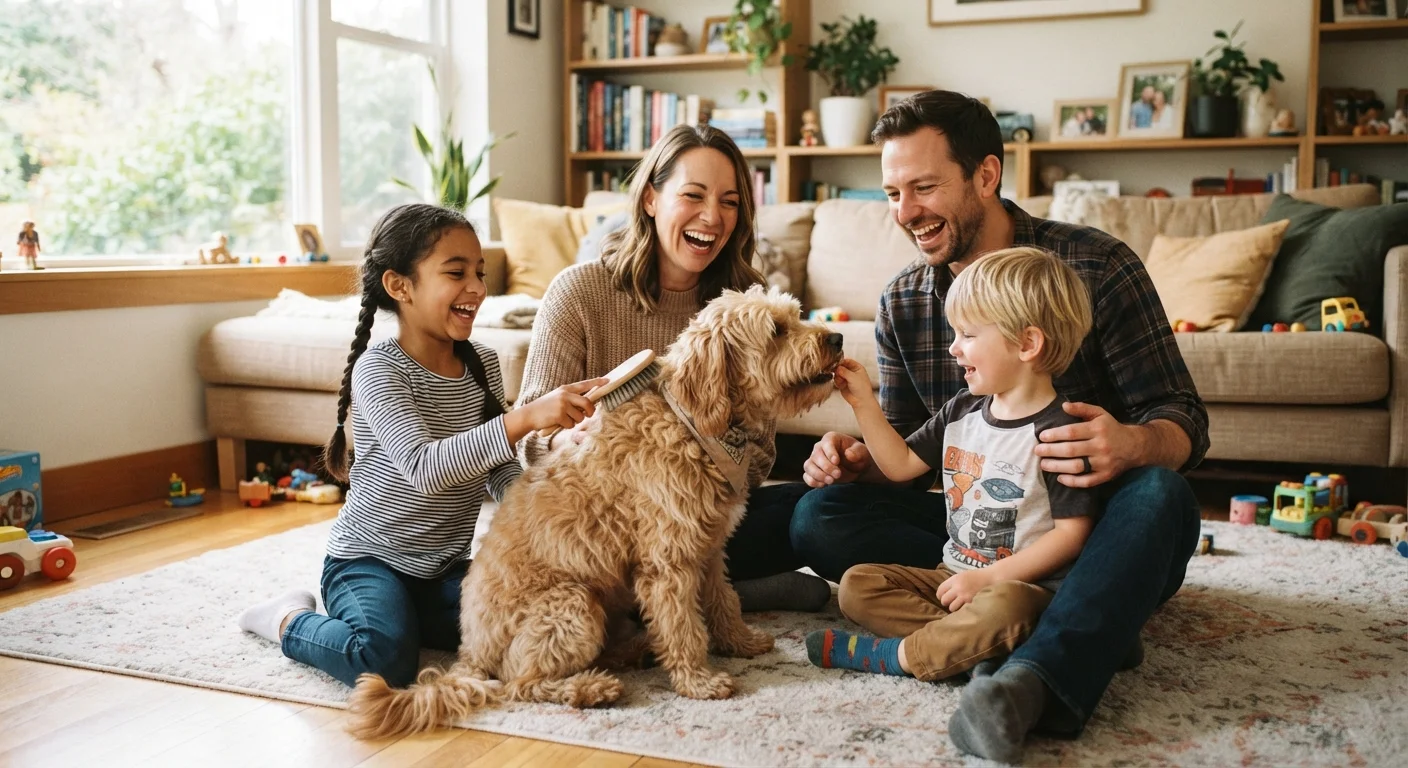
Photo: TotemBuzz.com | Your Lifestyle Companion editorial
Key Takeaways
- Pet care tasks should match a child's developmental stage — not just their age in years.
- Even toddlers can participate in small, supervised ways that build early empathy for animals.
- Consistency matters more than perfection; celebrate effort over flawless execution.
- Adult supervision is essential whenever young children interact with pets, regardless of the task.
- Shared pet responsibilities can reduce sibling conflict by giving each child a clear, valued role.
Why Shared Pet Care Is Good for the Whole Family
Bringing a pet into a family home creates a natural opportunity to teach children something that no worksheet or classroom exercise quite replicates: what it actually feels like to be responsible for another living creature. Research in child development consistently links animal care with the growth of empathy, self-regulation, and a sense of competence — skills that transfer well beyond the family pet.
The key is matching tasks to developmental readiness. Expecting too much too soon breeds frustration; expecting too little squanders a genuine teaching moment. Our guide for parents new to sharing a home with pets and kids covers the foundational safety layer underneath everything in this article — it's worth reading alongside this one.
Think of pet responsibilities as a ladder your child climbs over years, not a checklist to complete in a weekend.
Age-by-Age Breakdown: What Children Can Realistically Handle
The following practices reflect general developmental guidance. Children vary widely, so treat these as starting points rather than rigid rules. Always keep appropriate adult supervision in place, especially with younger children and larger animals.
Give toddlers (ages 2–3) one simple, supervised sensory task
Assign preschoolers (ages 4–5) a daily 'helper' role tied to feeding or water
Give early-elementary children (ages 6–8) multi-step tasks with a visual checklist
Introduce pre-tweens (ages 9–11) to basic grooming and habitat maintenance
Shift tweens and teens (ages 12+) toward independent scheduling and veterinary awareness
For a broader look at how pet chores fit into household responsibilities at each life stage, see our stage-by-stage chores reference.
Making It Stick: Quick Ways to Start Today
Introducing responsibilities gradually — and celebrating small wins — keeps children engaged rather than overwhelmed. Pair tasks with existing routines (feeding the dog after breakfast, for example) so they feel natural rather than like extra work.
If siblings are involved, giving each child a distinct role can actually ease household tension. Our piece on navigating sibling conflict explores how ownership of responsibilities (pet-related or otherwise) helps kids feel seen and valued.
This article is for general informational and educational purposes. Always consult your child's pediatrician or a qualified veterinary professional for guidance specific to your family's situation.
The content on this site is for informational purposes only and is not a substitute for professional advice. Always consult a qualified professional for guidance specific to your situation.