
Veterinary Care Explained: What Happens at a Routine Check-Up

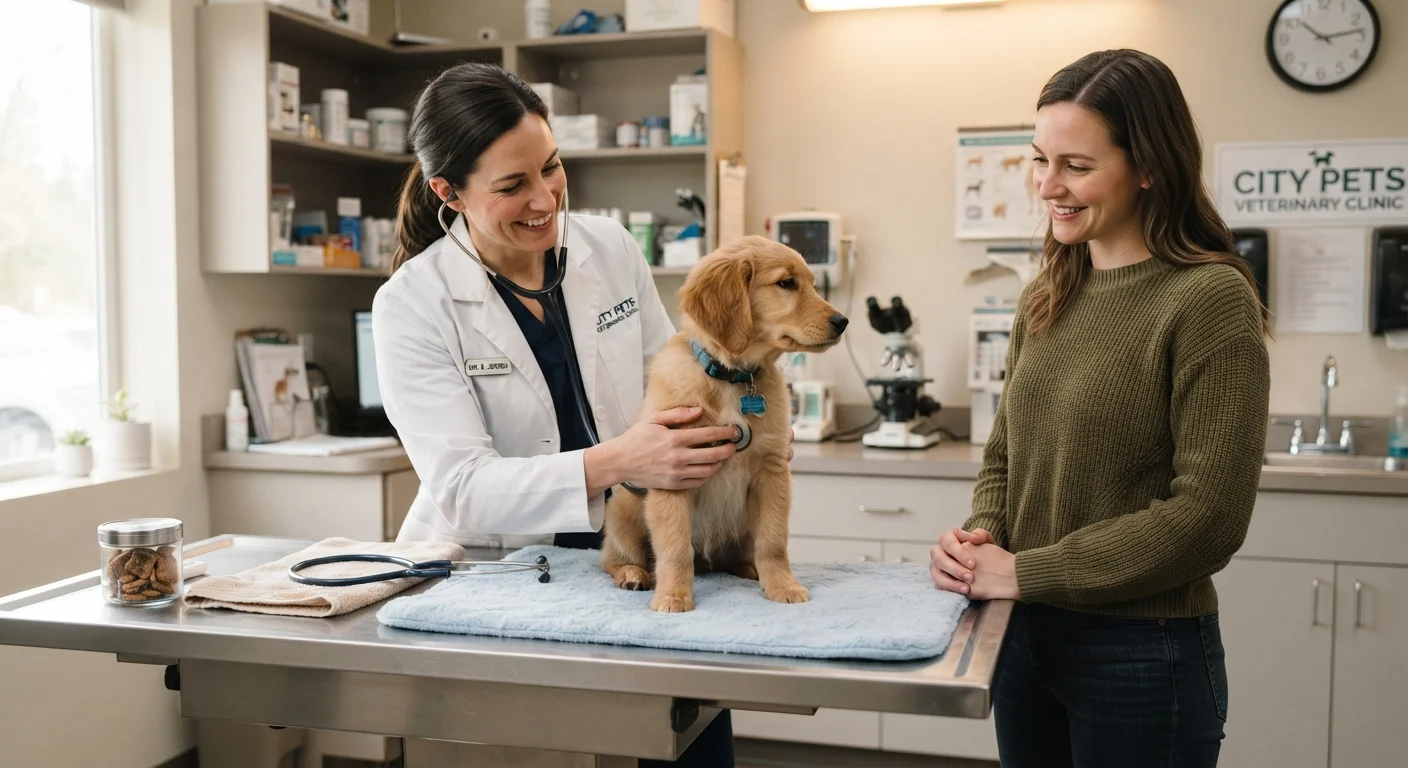
Photo: TotemBuzz.com | Your Lifestyle Companion editorial
Key Takeaways
- A routine check-up is a head-to-tail wellness exam, not just a vaccine appointment.
- Most adult pets benefit from at least one wellness visit per year.
- Vets assess weight, teeth, ears, eyes, heart, lungs, and more during a standard exam.
- You can — and should — come prepared with questions for your veterinarian.
- Early detection during routine visits can simplify treatment and reduce long-term costs.
- Puppies, kittens, and senior pets typically need more frequent check-ups than healthy adults.
What Actually Happens When You Walk In
First-time pet owners are often surprised to discover that a routine vet visit is a lot more structured — and a lot more thorough — than they expected. It's not just a quick weigh-in and a shot. Here's a general walkthrough of how most wellness appointments unfold.
When you arrive, a veterinary technician will typically start things off. They'll record your pet's weight, take their temperature (usually rectally, yes), check heart and respiratory rate, and ask you a few questions about diet, behavior, and any changes you've noticed at home. This intake information helps the vet know where to focus.
Then the veterinarian steps in and conducts a systematic physical examination — often called a "nose-to-tail" exam. They'll work through a checklist that covers virtually every major body system, even if your pet seems perfectly healthy. If you've recently brought a new animal home, our new pet preparation guide can help you arrive organized and ready.
The Physical Exam: What Vets Are Checking and Why
A physical examination covers a lot of ground in a short time. Here's what most vets assess and the reason each area matters:
- Eyes and ears: Redness, discharge, or signs of infection — ear mites are common in cats and young dogs.
- Mouth and teeth: Dental disease affects a large percentage of pets over three years old. Vets look for tartar buildup, gum inflammation, and broken teeth.
- Lymph nodes: Enlarged nodes can signal infection or, rarely, more serious conditions.
- Heart and lungs: Using a stethoscope, the vet listens for murmurs, irregular rhythms, or abnormal lung sounds.
- Abdomen: Gentle palpation checks the size and feel of organs like the liver, kidneys, and bladder.
- Skin and coat: Dryness, hair loss, parasites, or lumps get flagged here.
- Musculoskeletal system: Gait, joint mobility, and muscle mass — especially important for older animals.
~70%
Pets over 3 with dental disease
The American Veterinary Medical Association notes that dental disease is one of the most common conditions found during routine wellness exams in dogs and cats.
1–2x/year
Recommended wellness visit frequency
Most veterinary guidelines recommend at least one annual wellness exam for healthy adult pets, with twice-yearly visits for seniors and young animals.
65%
US households with at least one pet
According to the American Pet Products Association's National Pet Owners Survey, pet ownership in the US remains widespread, making foundational vet knowledge broadly relevant.
After the physical, your vet will discuss findings, recommend any follow-up tests if needed (blood work, urinalysis, or parasite screening are common), and review your pet's vaccination schedule. This is also a great moment to ask about diet, weight management, or behavior. Keeping a running list of questions at home between visits means you'll never leave with something unanswered.
Questions Worth Asking Your Vet
The exam time is genuinely yours to use. Vets welcome questions — it helps them help your pet better. A few worth considering:
- Is my pet at a healthy weight, and should I adjust their food amount?
- Are there any early signs of concern I should watch for at home?
- What parasite prevention does my pet need, given where we live?
- When should we next schedule bloodwork or dental cleaning?
- Are there any breed-specific health issues I should know about?
Write Your Questions Down Beforehand
If your pet's behavior has shifted lately — sleeping more, eating differently, or acting out — mention it even if it seems minor. Behavioral changes are often one of the earliest clues that something physical is off. Our article on signs your pet may be unwell goes deeper on exactly what to watch for between visits.
Routine check-ups also integrate naturally with a consistent daily pet routine. If you're still building structure around feeding, exercise, and rest, this guide on building a pet routine is a practical companion read.
This article is for general informational and educational purposes only and does not constitute veterinary advice. Always consult a licensed veterinarian for guidance specific to your pet's health needs.
Frequently Asked Questions
The content on this site is for informational purposes only and is not a substitute for professional advice. Always consult a qualified professional for guidance specific to your situation.