
Grooming at Home: A Room-by-Room Routine for Dogs and Cats

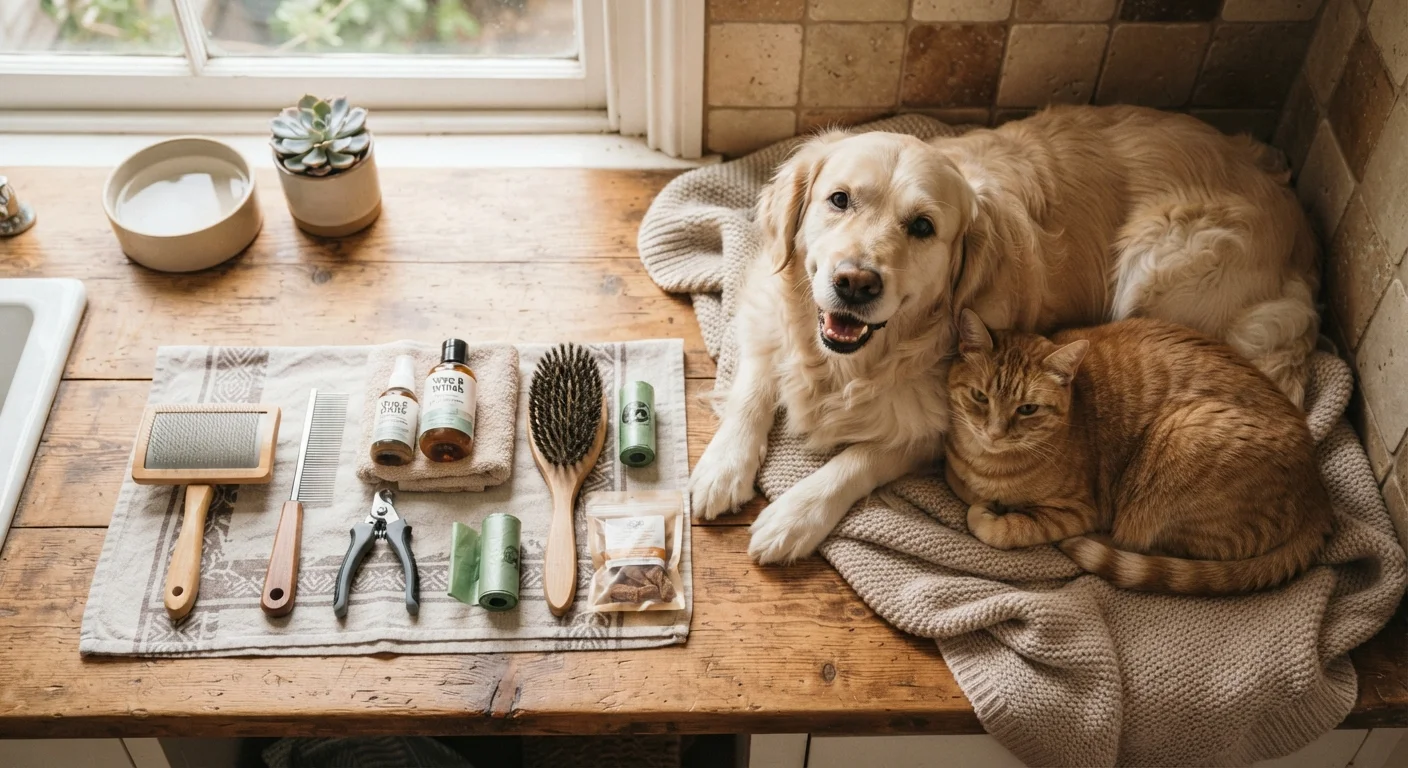
Photo: TotemBuzz.com | Your Lifestyle Companion editorial
Key Takeaways
- Breaking grooming into small, room-based tasks makes the whole routine feel manageable.
- Brushing, nail trims, and ear checks are the three highest-impact habits for home grooming.
- Short, positive sessions from an early age build lasting trust between you and your pet.
- Watching body language during grooming helps you catch stress signals before they escalate.
- Most home grooming tasks need only a handful of basic tools you likely already own.
Why a Room-by-Room Approach Actually Works
For first-time pet owners, "grooming your pet" can feel vague and a little intimidating — especially when you're not sure which tasks matter most or how often to do them. Organizing the routine by location rather than by a long checklist makes it easier to remember and harder to skip. Each room already has a natural function that maps to a grooming task, so you're building on habits you already have rather than inventing new ones from scratch.
The key principle is consistency over perfection. Your pet doesn't need a spa-level session every week — they need regular, gentle handling that keeps their coat, nails, ears, and skin in good condition and helps you notice changes early. Regular grooming is also one of the best ways to deepen your bond with a new pet. Understanding how they move, what they respond to, and where they're sensitive is foundational knowledge that makes every aspect of care easier — from vet visits to daily interaction. You might also find it helpful to read our plain-English guide to pet body language so you can recognize comfort and stress signals during sessions.
What you will need
Getting Your Tools and Space Ready
You don't need a lot to groom at home effectively. The essentials are a brush suited to your pet's coat type, nail clippers, styptic powder, a vet-approved ear-cleaning solution, and cotton balls. A soft toothbrush and pet-safe toothpaste are worth adding once you're comfortable with the basics.
Slicker brush or deshedding comb
Removes loose fur, detangles, and distributes natural coat oils for dogs and cats.
Pet nail clippers
Trims nails to a safe length, preventing overgrowth and discomfort.
Styptic powder
Stops minor bleeding quickly if a nail is accidentally clipped too short.
Pet-safe ear-cleaning solution
Loosens debris and wax inside the ear canal for easy, gentle removal.
Cotton balls
Used to gently wipe the outer ear canal — never poke deeper than you can see.
Soft toothbrush and pet-safe toothpaste
Helps reduce plaque and tartar build-up between professional dental cleanings.
Non-slip bath mat
Gives your pet secure footing during bath time, reducing anxiety and slipping.
If you're still in the early stages of settling a new pet in, our new pet preparation checklist covers the supplies and setup to have ready before your first grooming session. And if you'd like to weave grooming into a broader daily structure, building a pet routine that sticks offers a practical framework to get started.
The Step-by-Step Home Grooming Routine
Work through these steps in order — they're designed to flow naturally from one room to the next, starting with the lowest-stress tasks and ending with the full-body scan that ties everything together.
Set up your grooming station
Choose a well-lit, easy-to-clean surface — a bathroom counter for cats, or a non-slip mat on the floor for larger dogs. Lay out all your tools before you bring your pet in. Having everything within arm's reach means you won't need to step away mid-session, which is one of the most common reasons pets get anxious and bolt.
Brush the coat — bedroom or living room
Start with brushing, ideally in the room where your pet already relaxes. Work in the direction of hair growth using slow, gentle strokes. For dogs, pay extra attention to behind the ears, under the collar, and between the legs where mats form fastest. For cats, a fine-tooth comb tackles the undercoat; long-haired breeds may need a wide-tooth comb first to break up tangles before you use anything finer. Brush for just two to five minutes at first, building duration over time as your pet grows comfortable.
Trim the nails — bathroom or laundry room
The bathroom is ideal for nail trims: contained, easy to clean, and away from distractions. Hold the paw gently but firmly and clip only the clear, curved tip of each nail — well short of the pink quick (the blood vessel inside the nail). On dark nails where the quick is hard to see, take off tiny slivers at a time and stop when you spot a small dark dot at the cut surface. Aim for every two to four weeks, depending on how quickly your pet's nails grow.
Check and clean the ears — bathroom
While you're already in the bathroom, do a quick ear inspection. A healthy ear is pale pink inside with little to no odor. Apply a few drops of vet-recommended cleaning solution, gently massage the base of the ear for about 20 seconds, then let your pet shake its head. Use a cotton ball to wipe away any loosened debris from the visible outer canal only — never insert anything into the ear canal itself. Check both ears and note any redness, dark discharge, or strong smell.
Wipe eyes and face — bathroom
Use a fresh damp cotton ball or a soft cloth to gently wipe the corners of the eyes, moving outward from the inner corner. Flat-faced (brachycephalic) breeds like Persians or Bulldogs need daily attention to the skin folds around their nose and eyes to prevent moisture buildup. Never use the same cloth on both eyes, as this can transfer irritants between them.
Do a full-body health scan — anywhere comfortable
End every grooming session with a hands-on once-over. Run your fingers slowly along the body, checking for lumps, tender spots, flaky skin, unusual odors, or anything that wasn't there last time. Pay attention to the paw pads for cracks or debris, the gum color (healthy gums are pink and moist), and the tail area for matting or signs of irritation. This two-minute scan is one of the most valuable habits you can build — catching small changes early is exactly what keeps routine vet visits routine.
Short Sessions Beat Marathon Grooming
Know When to Call the Vet
Keeping It Going (and Knowing When to Get Help)
A good home routine reduces how often your pet needs professional grooming, but it doesn't replace it entirely. Long-haired dogs may still need a professional trim every six to eight weeks; cats with dense or mat-prone coats benefit from occasional professional deshedding treatments. And grooming at home is always supplementary to — never a substitute for — regular veterinary care.
Never Use Human Products on Pets
If you're ever uncertain whether something you've noticed during grooming warrants attention, err on the side of contacting your vet. Our explainer on routine vet check-ups can help you understand what gets assessed at each visit and which observations are worth bringing up. The goal is a pet that's comfortable being handled, and an owner who feels confident doing the handling — that combination does more for long-term health than any single product or technique.
This article is for general informational and educational purposes only and is not a substitute for professional veterinary advice. Always consult a licensed veterinarian for guidance specific to your pet's health and care needs.
The content on this site is for informational purposes only and is not a substitute for professional advice. Always consult a qualified professional for guidance specific to your situation.