
Why Every Room Needs a Focal Point (And How to Create One)

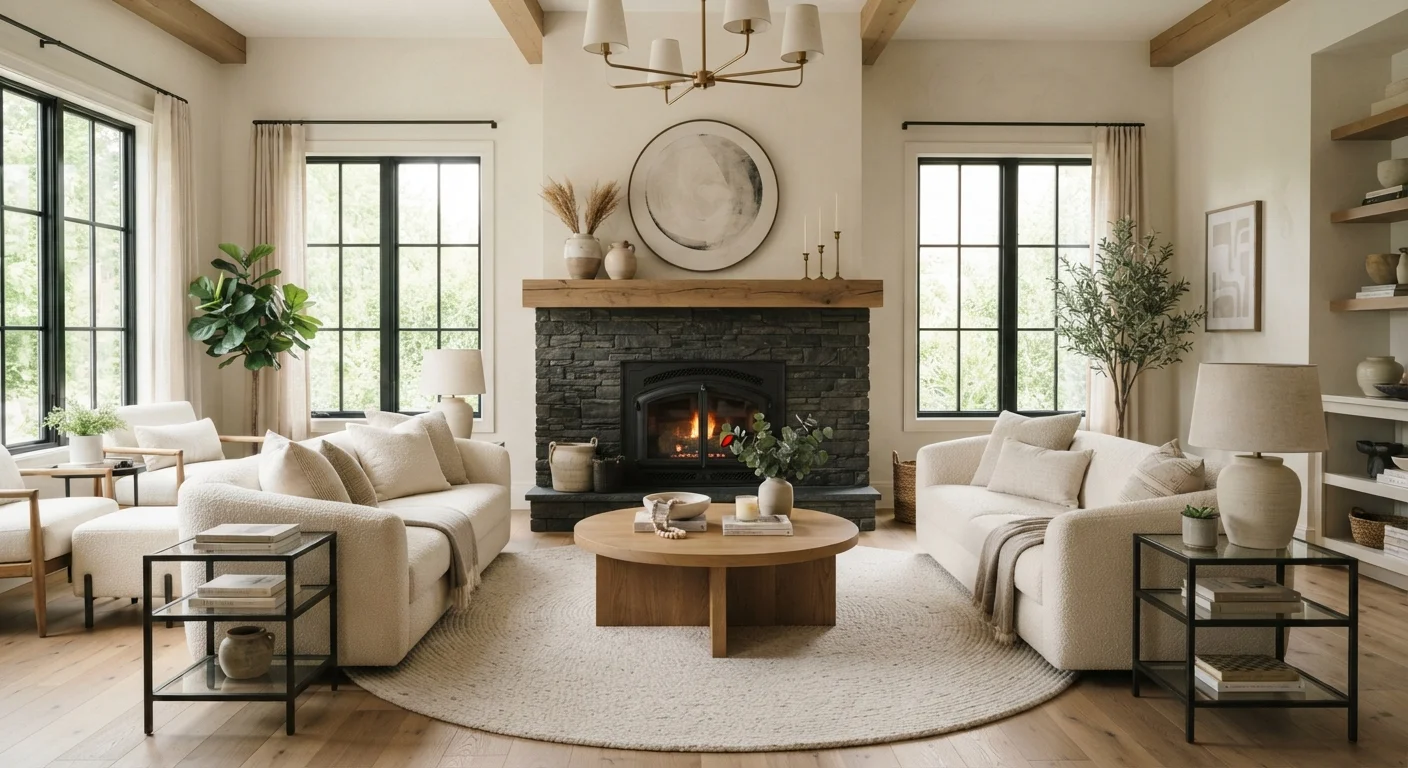
Photo: TotemBuzz.com | Your Lifestyle Companion editorial
Key Takeaways
- Every room benefits from one clear focal point that tells the eye where to look first.
- Focal points can be architectural (like a fireplace) or created through furniture, art, or color.
- All other décor should support — not compete with — the room's focal point.
- Rooms without a focal point often feel disorganized, even when individual pieces are attractive.
- You can create or borrow a focal point in any space, regardless of budget or room size.
What a Focal Point Actually Does
Walk into a beautifully decorated room and your eye knows exactly where to go first — there's a sense of calm and order even before you register individual details. That clarity comes from a focal point. It creates visual hierarchy, meaning the room has a clear star with supporting players arranged around it.
Without one, the eye bounces between objects with equal weight, which feels restless and hard to settle in. If you've ever stood in a room that had nice furniture but still felt 'off,' a missing focal point is often the culprit. This concept ties closely to visual weight, which shapes how balanced and inviting a space actually feels.
7 seconds
Time it takes to form a first impression of a room
Research in environmental psychology suggests people assess interior spaces almost immediately upon entering, making a strong visual anchor especially valuable.
1 in 3
First-time decorators who rearrange rooms multiple times
Home design surveys consistently find that beginners frequently rearrange furniture before settling on a layout, often because no clear focal point was established at the outset.
Natural Focal Points You May Already Have
Some rooms hand you a focal point for free. A fireplace is the classic example — it has physical mass, texture, and implied warmth that naturally pull attention. Large windows with a strong view, an exposed brick wall, or a built-in bookcase can all play the same role.
If your room has one of these features, your job is largely to honor it rather than fight it. Arrange seating to face it. Keep competing décor on the quieter side. Avoid placing a large TV or bold artwork on an adjacent wall that steals focus. The room-by-room décor checklist covers this in more detail — identifying your focal point early prevents a lot of rearranging later.
Test Before You Commit
How to Build a Focal Point from Scratch
No fireplace, no dramatic view? You can construct a focal point using four reliable approaches:
- Bold artwork or a gallery wall. A single large-format piece or a thoughtfully arranged collection on one wall creates instant hierarchy. Scale matters — artwork that's too small gets lost. Our guide to gallery walls without the guesswork walks through layout and hanging so you get it right the first time.
- An accent wall. A deeply saturated paint color or textured wallpaper on one wall immediately distinguishes it from the others. Keep the rest of the room neutral to let it lead.
- A statement furniture piece. A bed with a tall, upholstered headboard, a dramatically shaped sofa, or a sculptural shelving unit can anchor a room on its own.
- An oversized mirror. Mirrors add light and depth while carrying enough visual mass to serve as a focal point, especially in smaller rooms.
Common Mistakes That Undermine a Focal Point
The biggest error is creating two competing anchors — placing a large TV gallery-wall-style on one wall and an oversized piece of art on the opposite wall, for example. Neither gets to lead. Related to this is overcrowding: when every surface has objects of equal visual weight, the focal point disappears into the noise.
Another misstep is decorating the focal point area last, as an afterthought. It should be your starting point. Decide on the anchor first, then layer in the rest. If you're starting a new space entirely, decorating your first apartment offers practical guidance for building a room with intention from the beginning. And if you're skeptical about conventional décor rules, it's worth checking which ideas are genuinely useful versus which are decorating myths that keep beginners stuck.
“Decoration is not about making a stage set, it's not about making a pretty picture — it's about establishing what kind of feeling you want and then accomplishing it.”
— Albert Hadley, Renowned American interior designer
Frequently Asked Questions
The content on this site is for informational purposes only and is not a substitute for professional advice. Always consult a qualified professional for guidance specific to your situation.