
Home Décor

The Room-by-Room Décor Starter Checklist

The Room-by-Room Décor Starter Checklist

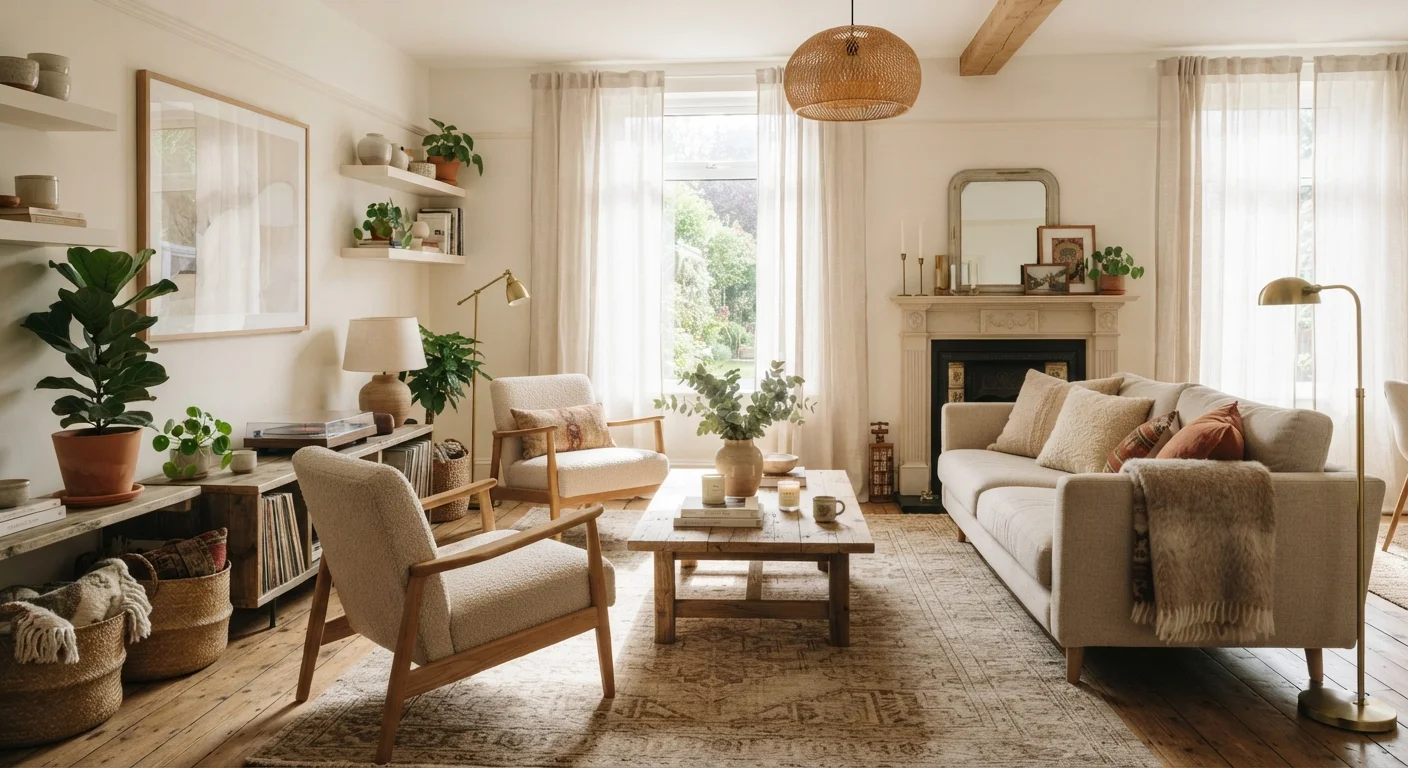
Photo: TotemBuzz.com | Your Lifestyle Companion editorial

Before decorating any room, run through this checklist covering scale, lighting, focal points, and flow to avoid the most common early mistakes.

Key Takeaways

  • Define a focal point before arranging any furniture or adding décor.
  • Lighting operates in layers — ambient, task, and accent — and all three matter.
  • Scale and proportion mistakes are the most common beginner errors and the easiest to prevent.
  • Traffic flow through a room should feel natural before you commit to a layout.
  • Cohesion comes from repeating two or three elements — color, texture, or shape — not from matching sets.

Why a Checklist Beats Decorating by Impulse

Most decorating regrets share a common root: decisions made in isolation. A rug purchased before furniture is placed, curtains hung without measuring the wall, artwork chosen before a color palette is set. The result is a room that looks assembled rather than considered.

This checklist works room by room so you can pause, assess, and make intentional choices before spending money or putting holes in walls. It covers the structural decisions — focal points, lighting layers, scale, and traffic flow — that underpin every successful room, regardless of personal style. For a deeper look at why proportion trips up so many beginners, see our guide on common décor proportions beginners get wrong.

Work through each group in order. The questions in earlier groups inform the answers in later ones.

Room Assessment

Measure the room's dimensions (length, width, ceiling height) and sketch a rough floor plan before moving or purchasing anything. Must
Identify the room's natural focal point — a fireplace, large window, or architectural feature — or decide which wall will serve as the visual anchor. Must
Note where natural light enters the room throughout the day and which areas remain dim even at peak daylight. Must
Map the traffic flow: trace every path people take between doorways and note where circulation bottlenecks. Must

Furniture Layout

Arrange seating and key furniture to face or relate to the focal point rather than pushing all pieces against the walls. Must
Verify that main pathways through the room remain at least 30–36 inches wide to allow comfortable movement. Must
Check that furniture scale suits the room — no single piece should visually overpower or get lost in the space. Must
Confirm the rug size anchors the seating area correctly; at minimum, all front legs of seating pieces should sit on the rug. See rug sizing and placement rules for specifics. Should

Lighting Plan

Ensure the room has ambient lighting (general overhead or ceiling-level light) that adequately illuminates the full space. Must
Add task lighting wherever focused activities occur — reading, cooking, working — positioned to reduce glare and shadow. Must
Include at least one accent light source (table lamp, floor lamp, or wall-mounted fixture) to add warmth and visual depth. Should
Install dimmer switches or choose bulbs with adjustable color temperature so the room's mood can shift between day and evening use. Nice to have

Color and Pattern

Choose a base color (typically walls or the largest upholstered piece) before selecting accent colors or patterns. Must
Limit your palette to three main colors — a dominant, a secondary, and an accent — to prevent visual noise. Should
If mixing patterns, vary the scale (large, medium, small) and keep them within the same color family. Should

Wall Décor and Art

Hang art so the center of the piece sits at approximately eye level (around 57–60 inches from the floor) unless above a furniture grouping. Must
Ensure artwork or a grouping of pieces is proportional in width to the furniture it hangs above — generally 50–75% of the furniture's width. Should
Plan any gallery wall arrangement on paper or the floor before making any holes. Our guide on planning gallery walls covers the full process. Should

Finishing and Cohesion

Identify two or three design elements (a material, color, or shape) that repeat across the room to create visual cohesion without making it feel matchy-matchy. Must
Add texture through at least two different materials — such as linen, wood, ceramic, or metal — to prevent the room from feeling flat. Should
Step back and assess the room from the doorway: the first impression should feel balanced and intentional, not busy or sparse. Should
Introduce a single organic element — a plant, a natural fiber, or a stone object — to soften the room and add life. Nice to have

Tools You'll Want Before You Start

You don't need a design degree or specialized software. The tools below help you measure accurately, visualize arrangements, and make decisions you won't regret once furniture is in place.

Required

Measuring tape

Essential for capturing room dimensions, furniture sizes, and wall space before making any layout or purchasing decisions.

Required

Graph paper or free room-planning app

Lets you sketch furniture arrangements to scale before moving heavy pieces or committing to a layout.

Required

Painter's tape

Mark furniture footprints and artwork positions on walls or floors so you can evaluate placement before hanging or positioning anything permanently.

Optional

Color swatches or paint samples

Test wall colors in your actual lighting conditions over several days before committing — colors shift significantly between store and home.

Optional

Level (bubble or digital)

Ensures artwork and shelving are hung straight, which affects the overall tidiness of the room.

If you're working in a rented space, check what changes your lease permits before you begin. Our article on decorating within rental limits walks through the most common restrictions and workarounds.

Don't Skip the Measuring Step

The most expensive décor mistakes involve purchasing furniture or rugs without measuring first. A sofa that looks reasonable in a showroom can block a doorway or swallow a small room whole. Always measure your space and the item, then mark the footprint with painter's tape before purchasing. Return policies on large furniture items are often limited.

Applying the Checklist Room by Room

Some checklist items are universal — every room needs a focal point and a lighting plan. Others are room-specific. A bedroom prioritizes restful atmosphere and storage flow; a living room needs to handle social traffic and multiple activities; a kitchen balances task lighting with limited wall space for décor.

Run the full checklist for each room separately rather than trying to solve the whole house at once. Decisions made in the living room — particularly around color and material — will naturally inform adjacent spaces, but each room deserves its own assessment pass.

For rooms that feel cramped, our guide on making a small room feel larger with décor covers techniques like mirror placement, curtain height, and furniture scale that apply directly to items in this checklist. If you're combining furniture from different periods or styles, mixing furniture styles without chaos explains the underlying logic that keeps eclectic rooms coherent.

Electrical and Structural Work Requires a Professional

This checklist covers décor decisions, not construction. If your lighting plan requires new wiring, repositioning outlets, or installing fixtures beyond simple plug-in replacements, hire a licensed electrician. Unpermitted electrical work is a safety hazard and can create complications when selling or insuring your home. Always verify local permit requirements with your municipality before starting any electrical project.

Once you've worked through a room, revisit it after living in it for a week. First impressions of a freshly arranged space aren't always reliable — daily use reveals whether traffic flows naturally and whether lighting serves the room's actual activities.

Home & Garden Editorial Team

TotemBuzz.com | Your Lifestyle Companion

Home & Garden Editorial Team is the collective byline for our editorial team and contributor network. Articles published under this byline or an editorial pen name are researched, written, and reviewed according to our editorial standards for clarity, consistency, and independence before publication.

Home ImprovementHome DécorGardening Basics
View author profile

The content on this site is for informational purposes only and is not a substitute for professional advice. Always consult a qualified professional for guidance specific to your situation.