
Mixing Furniture Styles Without Making a Room Feel Chaotic

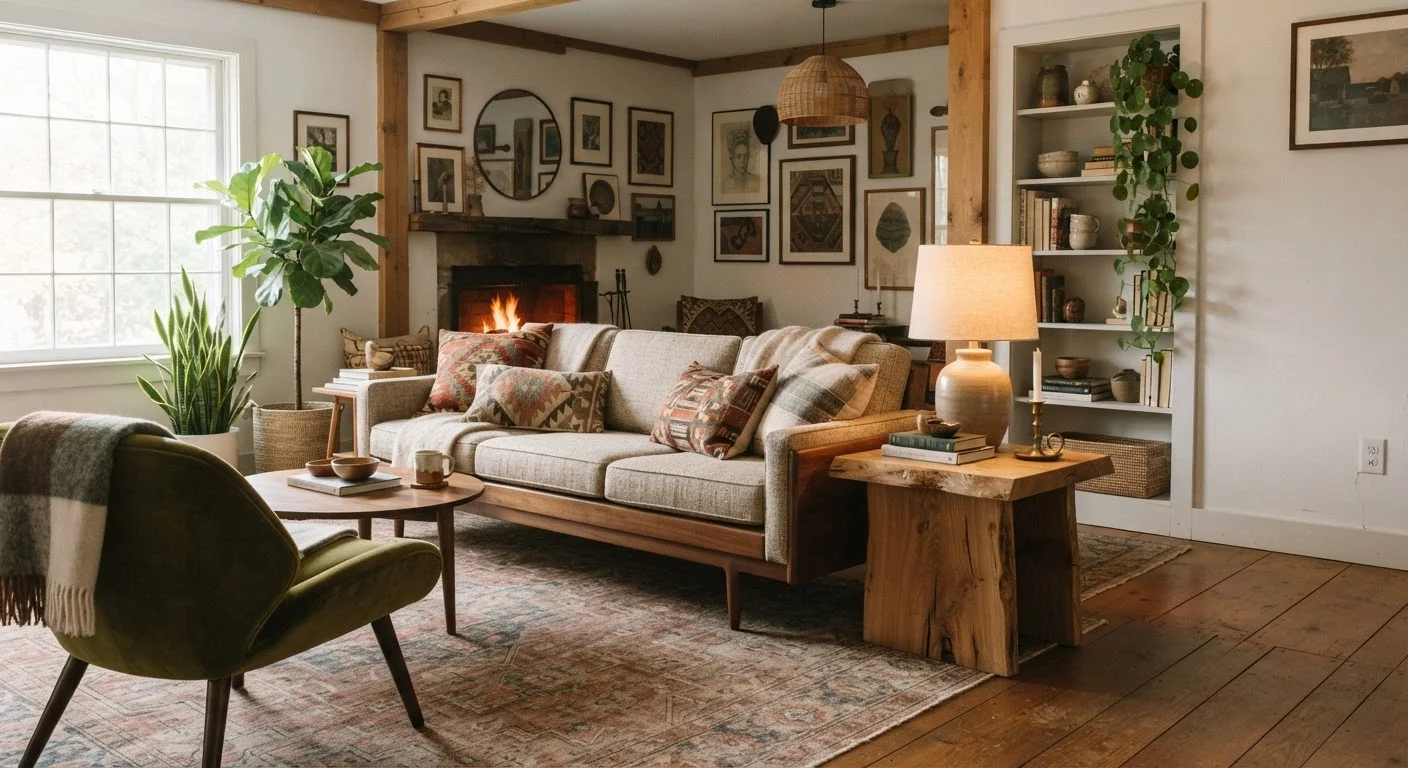
Photo: TotemBuzz.com | Your Lifestyle Companion editorial
Key Takeaways
- A shared color palette or material finish creates cohesion across mismatched furniture styles.
- Scale and proportion matter more than matching — pieces of similar visual weight feel intentional together.
- One dominant style anchors the room while accent pieces add personality without chaos.
- Textiles, rugs, and lighting are the connective tissue that makes eclectic rooms feel resolved.
Why Mixing Styles Works — When It Has a Logic
Many beginners assume a room must belong to a single style — all mid-century, all farmhouse, all contemporary. In practice, the most interesting rooms are almost always a mix. The difference between an eclectic space that feels curated and one that feels chaotic comes down to an underlying organizing principle that ties the pieces together.
If you've ever felt intimidated by the idea of combining a vintage side table with a modern sofa, you're not alone. The decorating myths that keep beginners stuck — like the idea that everything must match — make this feel riskier than it actually is. With a few clear principles, mixing becomes a skill rather than a gamble.
Establish one dominant style as the anchor before introducing accents.
Choose a consistent color palette that all pieces share, even loosely.
Match the visual weight of pieces rather than their style.
Repeat one material, finish, or detail across multiple pieces.
Use a large-scale rug to physically group different furniture pieces.
Core Practices for a Cohesive Mixed-Style Room
These practices give your room a backbone — a set of decisions that make individual style differences feel like choices rather than accidents.
Using Color, Texture, and Light to Unify the Mix
Once your furniture selections are in place, the finishing layers are what make a mixed room feel intentional. Color is your most powerful unifying tool: a consistent palette — even a loose one — creates visual continuity across pieces from different eras. A warm walnut side table, a cream linen sofa, and a brass-legged accent chair all feel connected if they share warm undertones.
Texture adds depth without adding more styles. Layering a woven throw, a jute rug, and velvet cushions reads as rich rather than restless, because the styles of the textiles become secondary to the tactile variety they create. For more on this, see our guide on layering textiles effectively.
Lighting also plays a quiet but critical role. A single overhead fixture rarely does enough. When you layer ambient, task, and accent lighting — floor lamps, table lamps, and statement pendants — the room gains atmosphere that makes furniture differences feel atmospheric rather than jarring. Our article on layering light in a room walks through how to build that approach from scratch.
There Is No Single 'Right' Combination
Where to Start If You're Building From Scratch
If you're decorating a room from the ground up, begin by choosing one anchor piece — typically a sofa or a large case piece like a bookcase or media console — and let it define the dominant style. Everything else becomes a supporting cast. From there, use the room-by-room décor starter checklist to work through scale, focal points, and flow before adding accent furniture.
Color direction should be settled early. Whether you lean toward warm tones or cool tones will shape which wood finishes, metals, and fabrics feel at home in the space. Our guide on choosing a color direction for your home helps clarify that foundational choice. Once color is settled, individual style differences between pieces become far easier to manage.
“A room should be like a good conversation — there should be variety, but everything said should feel like it belongs in the same room with everything else.”
— Billy Baldwin, Influential American interior designer, widely cited in design education
The content on this site is for informational purposes only and is not a substitute for professional advice. Always consult a qualified professional for guidance specific to your situation.