
Natural Light, Lamps, and Overhead Fixtures: Layering Light in a Room

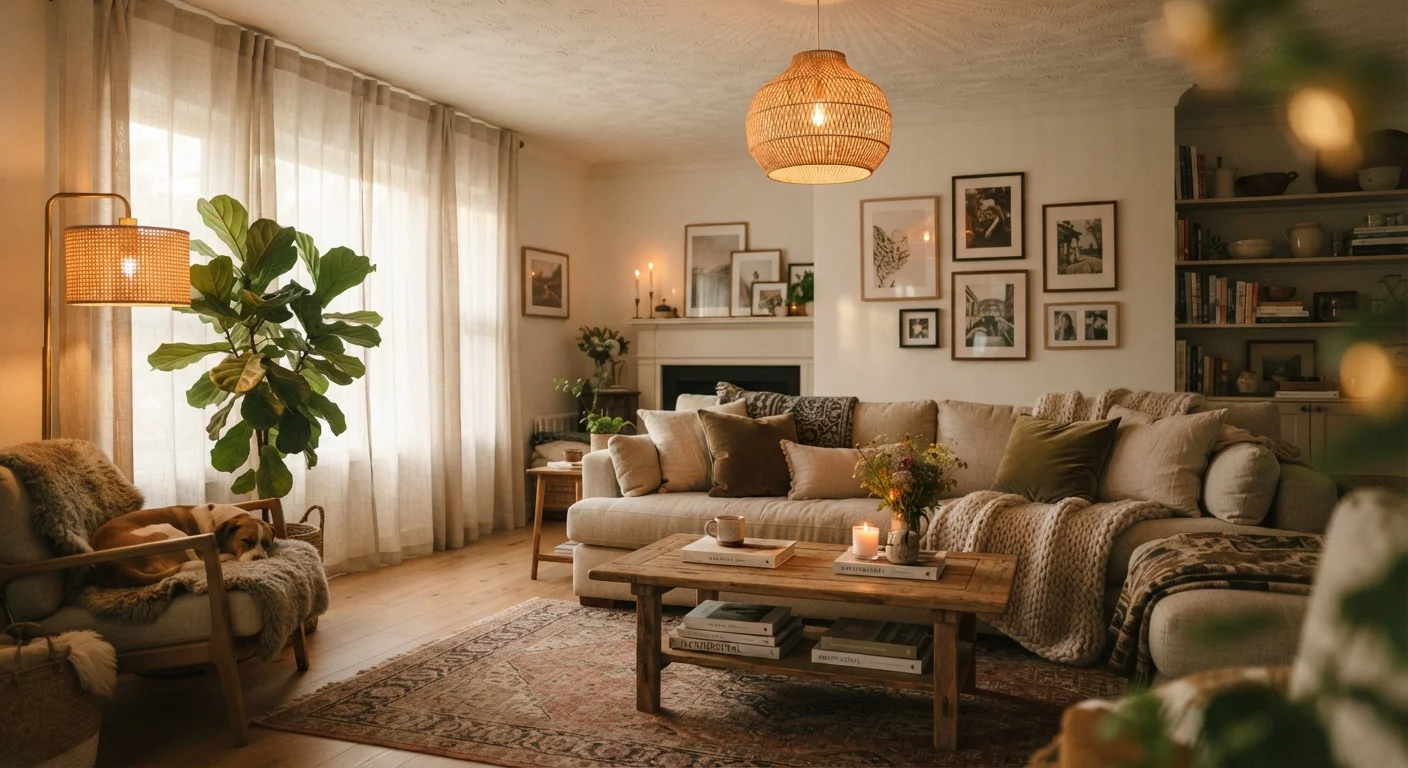
Photo: TotemBuzz.com | Your Lifestyle Companion editorial
Key Takeaways
- Relying on a single overhead light is the most common beginner lighting mistake.
- Ambient, task, and accent lighting serve distinct purposes and work best together.
- Natural light should be treated as a primary layer, not just a bonus.
- Dimmer switches dramatically increase a room's flexibility without major renovation.
- Light color temperature (warm vs. cool) affects mood as much as brightness does.
Why One Overhead Light Is Never Enough
Walk into most rental apartments or newly built homes and you'll find the same setup: a single ceiling fixture switched on at the door. It's a practical starting point, but it casts flat, even light that flattens a room visually and offers no flexibility for different times of day or different activities. Shadows pool in corners, reading chairs feel dim, and the room rarely looks as welcoming as it could.
The solution isn't simply adding more light — it's adding different kinds of light at different levels. This is what designers mean by layering. When light comes from multiple heights and sources, a room gains dimension, warmth, and the ability to shift mood at will. It's one of the most impactful changes you can make, and much of it requires no electrical work at all.
As you think about lighting, it helps to consider it alongside other decorating decisions. The Room-by-Room Décor Starter Checklist covers lighting alongside scale, focal points, and flow — treating it as a foundational decision rather than an afterthought.
Start With What You Have
The Three Layers: Ambient, Task, and Accent
Every well-lit room draws on three distinct categories of light, each serving a different purpose.
Ambient Lighting
Ambient light is the base layer — general illumination that allows you to move through a room safely and comfortably. Ceiling fixtures, recessed downlights, and chandeliers typically provide ambient light. Natural light pouring through windows and skylights also functions as ambient light during the day. The key is that ambient light should be even enough to light the whole room without creating harsh contrasts.
Task Lighting
Task lighting is focused and purposeful. A reading lamp beside an armchair, under-cabinet lights above a kitchen counter, or a desk lamp positioned to eliminate shadows on a work surface — these all qualify. Task lighting doesn't need to illuminate the whole room; it just needs to be bright and targeted enough for the activity at hand.
Accent Lighting
Accent lighting adds drama and personality. It draws the eye to something specific — a piece of artwork, a bookshelf, a textured wall — or simply contributes to the warmth of a room without serving a practical function. Picture lights, directional spotlights, and LED strip lights tucked behind shelving are all examples. Candles, when used safely, also function as accent light.
3 layers
Standard layers in professional lighting design
Interior designers and lighting specialists consistently apply the ambient-task-accent framework across both residential and commercial spaces.
2700–3000K
Recommended color temperature for living spaces
The U.S. Department of Energy notes that lower Kelvin values produce warmer light generally preferred in living rooms and bedrooms.
Natural Light as Your First Layer
Before you buy a single lamp, study how natural light moves through your room across the day. A south-facing room may be flooded with bright, warm light in the afternoon but feel darker in the morning. A north-facing room tends to receive cooler, more diffuse light throughout the day with no direct sun. East-facing rooms get strong morning light; west-facing rooms get the afternoon sun.
Understanding your room's natural light pattern tells you where to position seating, how much supplemental lighting you'll need, and what color temperature of bulb will feel most complementary. Sheer curtains can diffuse harsh direct sunlight without blocking it entirely, softening the quality of your ambient base layer during peak hours.
If you grow houseplants, you're already paying attention to light intensity and duration — the same logic that guides understanding outdoor plant light needs applies to how your rooms feel at different times of day.
Putting It Together: Practical Steps for Any Room
Start by identifying what you actually do in the room. Relaxing, reading, working, cooking, and entertaining all require different light intensities and types. Then work through each layer deliberately.
- Establish your ambient base. If you have no ceiling fixture, a floor lamp positioned to wash light upward toward the ceiling (called an uplighter) can create a convincing ambient effect without any wiring.
- Add task lighting where you need it. Position lamps so the light source is roughly at eye level or just above when you're seated — this reduces glare and shadows on your work.
- Layer in accent sources. A small table lamp with a warm bulb in a corner, LED strips behind a television, or a picture light over framed artwork all add depth without overwhelming brightness.
- Install dimmers where possible. A dimmer on your overhead fixture instantly gives you a range from bright working light to soft evening glow from a single fixture.
Light interacts directly with color — a warm-toned bulb will read very differently against a cool-painted wall than against a warm one. Choosing a color direction for your home can help you align your lighting choices with your paint and furnishing palette.
Light Color Temperature Matters
Lighting also works in tandem with soft furnishings. Curtains, rugs, and throws absorb or reflect light and change how bright a room feels. See how to layer textiles effectively for guidance on combining these elements.
Frequently Asked Questions
The content on this site is for informational purposes only and is not a substitute for professional advice. Always consult a qualified professional for guidance specific to your situation.