
Sunlight in the Garden: How Much Do Different Plants Really Need?

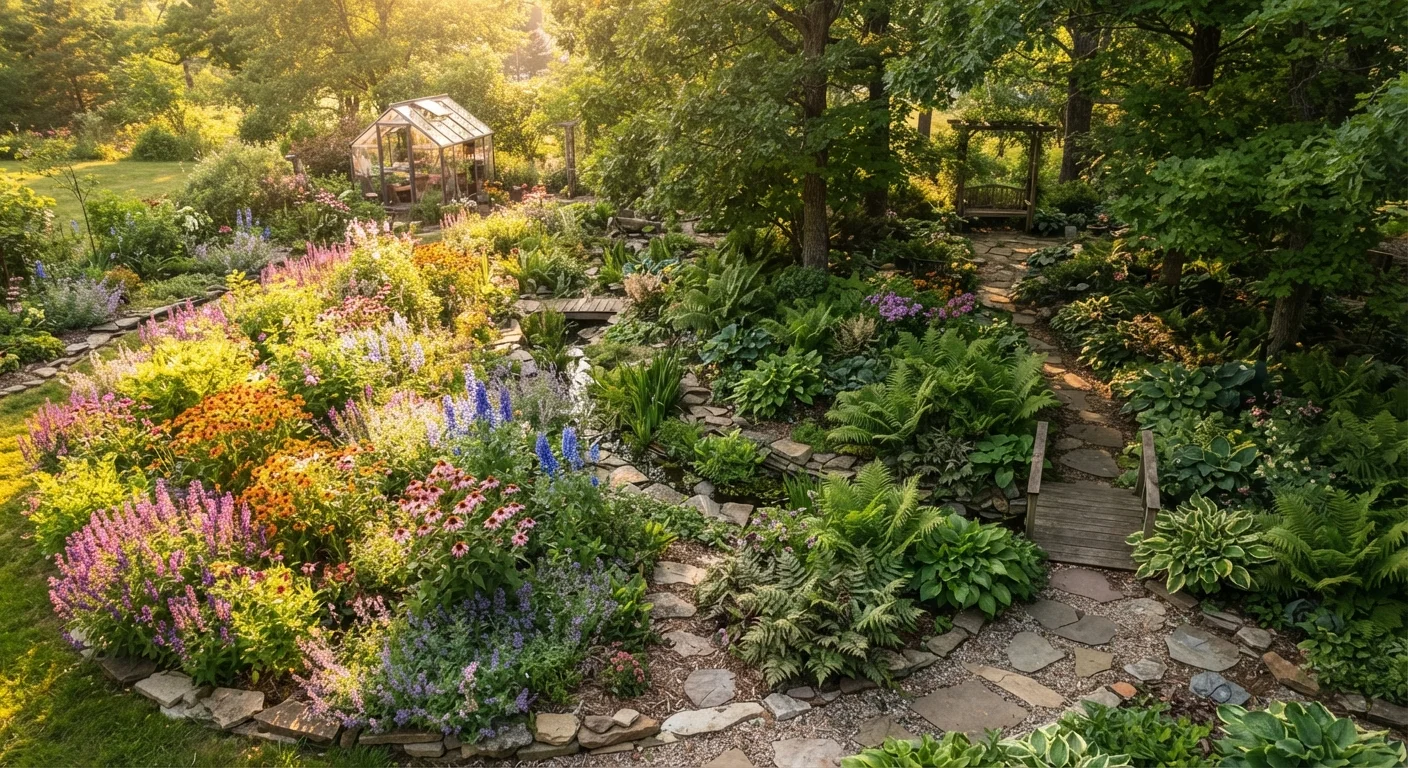
Photo: TotemBuzz.com | Your Lifestyle Companion editorial
Key Takeaways
- "Full sun" means at least six hours of direct sunlight daily; fewer hours typically reduces yields and flowering.
- Shade categories are not all the same — partial shade and full shade call for different plants.
- Observing your garden at several points throughout the day is the most reliable way to map its light.
- A plant placed in the wrong light level will often survive but rarely thrive.
- Reflected light from walls or fences can meaningfully boost a shady spot's brightness.
- Seasonal changes shift how much light each part of your garden receives throughout the year.
The Three Main Light Categories Explained
Walk into any garden center and you will see the same shorthand repeated on nearly every plant tag: full sun, partial sun/partial shade, and full shade. These are not vague marketing terms — they correspond to specific daily hours of direct sunlight, and they matter enormously to how a plant grows.
- Full sun: 6 or more hours of direct sunlight per day. This is what vegetables like tomatoes, peppers, and most herbs need, along with many flowering annuals.
- Partial sun / Partial shade: 3 to 6 hours of direct sun daily. These labels are often used interchangeably, though "partial shade" can hint at a preference for afternoon shade when summer heat is intense.
- Full shade: Fewer than 3 hours of direct sun. True full-shade plants — think ferns, hostas, and astilbes — are adapted to life under tree canopies or on north-facing walls.
Decoding plant labels goes beyond light requirements, but sunlight is almost always the first condition to understand before buying anything.
6+ hrs
Daily sun needed for most vegetables
Most cooperative extension services in the US recommend a minimum of six hours of direct sun for productive vegetable gardens.
3–6 hrs
Sun range for partial shade plants
Plants labeled partial shade can tolerate and often prefer this mid-range, performing poorly in either extreme.
<3 hrs
Direct sun for true shade plants
Full-shade species like hostas and ferns are adapted to thrive on fewer than three hours of direct daily sunlight.
How to Read the Light in Your Own Garden
Knowing the definitions is one thing; understanding what your specific garden actually receives is another. Light conditions vary significantly from yard to yard — and even from bed to bed within the same yard. A tall fence, a neighboring building, or a mature shade tree can transform a sunny patch into a deeply shaded one.
The most reliable method is simple observation. On a clear day, walk through your garden every hour or two from morning to late afternoon and note which areas are in direct sun, which are in full shadow, and which are getting something in between. Sketch a rough map if that helps. Repeat this process at different times of year, because the sun sits much lower in the sky in spring and fall than it does in midsummer.
Track Light Over a Full Day
One overlooked factor is reflected light. A white or light-colored wall can bounce a surprising amount of brightness onto a bed that would otherwise be classified as partial shade, effectively bumping it up a category. Keep this in mind when assessing spots near structures.
What Happens When Plants Get the Wrong Light
Plants are resilient, but placing them in mismatched light conditions produces predictable problems. A sun-loving plant stuck in shade will often become etiolated — a term for when a plant stretches its stems long and thin, reaching desperately toward more light. Flowering declines, and the plant becomes more vulnerable to pests and disease.
The opposite problem — a shade-preferring plant placed in full sun — shows up differently. Leaves may scorch, bleach to a pale or yellow-green color, or develop crispy brown edges. The plant spends energy trying to protect itself from heat stress rather than putting it toward growth.
Light mismatches are one of the most common reasons beginner gardens underperform. Before purchasing a plant, check your notes on that bed's light conditions and compare them honestly against what the tag recommends. This step alone prevents a large share of early gardening frustrations.
Planning Your Garden Around Available Light
Once you have mapped your garden's light zones, you can plan plantings with real confidence. Sunny south- and west-facing spots are natural homes for vegetable beds, herb gardens, and flowering perennials. Shadier north-facing areas or spots beneath established trees are ideal for shade-tolerant groundcovers, ferns, and woodland flowers.
If you are starting from seed or deciding between transplants, the light question is worth settling before you choose what to grow. Our guide on seeds versus seedlings covers other key decisions for new gardeners, and light availability should inform that choice too — some seeds need a bright, warm windowsill to germinate indoors before moving outside.
Light is also closely connected to watering needs. Shaded beds dry out more slowly than sunny ones, meaning watering schedules should differ between zones. Our article on watering your garden well explains how to build a routine around your garden's actual conditions rather than a one-size-fits-all schedule.
“The single most useful thing a new gardener can do before buying a single plant is to spend one full day simply watching where the sun falls in their yard.”
— Cooperative Extension Master Gardener Programs, University-based public gardening education network across the United States
Finally, remember that gardens change over time. A spot that was sunny three years ago may now be shaded by a tree that has filled in — and vice versa after pruning or a tree removal. Revisit your light map every year or two, and adjust plantings as conditions evolve. Soil quality interacts with light too — our guide on what soil your garden needs is a natural next step once you have your light zones sorted.
Frequently Asked Questions
The content on this site is for informational purposes only and is not a substitute for professional advice. Always consult a qualified professional for guidance specific to your situation.