
Seeds vs. Seedlings: Which Should New Gardeners Start With?

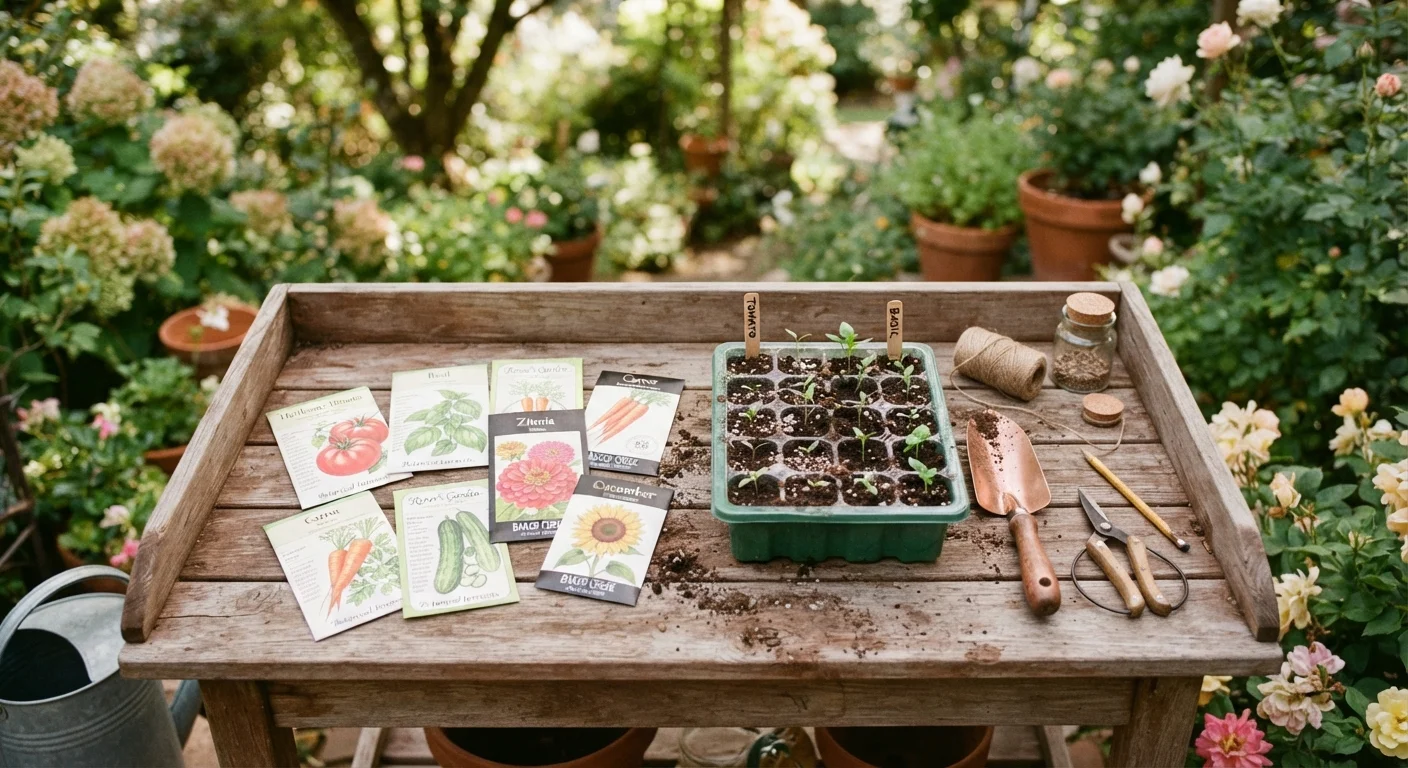
Photo: TotemBuzz.com | Your Lifestyle Companion editorial
Key Takeaways
- Seeds cost less and offer far more plant variety, but require more time and attention early on.
- Seedlings reduce the risk of early failure and skip the most fragile germination stage.
- Some crops — like carrots and radishes — strongly prefer direct sowing from seed.
- Others — like tomatoes and peppers — are easier to start as seedlings due to long grow times.
- Your available time, indoor space, and season length should guide your choice.
- Many experienced gardeners use both methods simultaneously, matching each to the crop.
What You're Actually Deciding
For a new gardener standing in a garden center, the choice between a rack of seed packets and a tray of young plants can feel random. It isn't. Each approach has a distinct set of trade-offs involving time, cost, skill, and the specific crop you want to grow. Understanding those trade-offs — rather than following a blanket rule — is what lets you make a decision that fits your actual situation.
Before you buy anything, it's worth running through your setup. Do you have a warm, well-lit indoor space to start seeds weeks before the last frost? How long is your local growing season? Are you planting a small container garden or a full raised bed? These questions matter more than any general preference. For a structured look at your space and goals before committing, see our garden planning checklist designed for first-season growers.
Seeds: The Case for Starting Small
Growing from seed gives you access to the widest possible range of plant varieties — many of which never appear as transplants at local nurseries. If you want a specific heirloom tomato, a particular basil cultivar, or a native wildflower species, seed packets are almost certainly your only practical option.
Seeds are also significantly cheaper per plant. A single packet might contain 50 or more seeds for roughly the same cost as two or three individual seedlings. For large plantings, that difference adds up quickly.
The challenge is the germination stage — the period between sowing and the appearance of the first true leaves. Seeds need consistent moisture, the right soil temperature, and often supplemental light indoors. This phase is where most beginners struggle. If you notice your young plants collapsing or failing to thrive before they ever reach the ground, our article on why seedlings die before transplant explains what's typically going wrong.
Some crops are almost always better started from seed because they don't transplant well. Root vegetables like carrots, radishes, beets, and parsnips grow a taproot that's easily damaged during transplanting — direct sowing in the final bed is the standard approach for these.
| Criterion | Growing from Seed | Buying Seedlings |
|---|---|---|
| Upfront cost | Low — pennies per plant | Higher — dollars per plant |
| Variety selection | Thousands of cultivars available | Limited to nursery stock |
| Time to harvest | Longer — includes germination | Shorter — weeks ahead of seeds |
| Skill required | Moderate — needs monitoring | Low — skip germination stage |
| Indoor setup needed | Often yes — lights, warmth | No — plant directly outside |
| Best for root crops | Yes — sow directly in bed | Not recommended — damages roots |
| Season length flexibility | Less forgiving of short seasons | Better suited to short seasons |
Seedlings: The Case for the Head Start
Purchasing seedlings — also called transplants — from a nursery or garden center means skipping the most failure-prone stage of plant development. You're buying a young plant that has already germinated, survived its first few weeks, and developed a root system. That's a meaningful advantage for beginners.
Seedlings are particularly valuable for crops that need a long growing season. Tomatoes, peppers, and eggplant, for example, require many weeks of warm temperatures to produce fruit. In most of the US, starting them from seed in time to match a nursery-grown transplant requires indoor growing infrastructure — grow lights, heat mats, and a reliable schedule for hardening off (the process of gradually acclimating indoor-started plants to outdoor conditions). For many beginners, buying seedlings sidesteps all of this.
6–10 weeks
Typical indoor seed-starting lead time for tomatoes
Most extension services recommend starting tomato seeds indoors 6–10 weeks before the last expected frost date in your region.
7–14 days
Average germination window for common vegetables
Germination times vary widely by species and soil temperature — most common vegetable seeds sprout within one to two weeks under suitable conditions.
If you're gardening in containers or a small space, purchased seedlings also let you fill your setup efficiently without committing to a full seed-starting operation. For more on working within tight spaces, our guide to container vegetable gardening covers which crops thrive in pots and what those containers actually need.
A Practical Path for Most Beginners
The most useful advice for a first-season gardener isn't to pick one method permanently — it's to match the method to the crop. A reasonable approach for year one: buy seedlings for tomatoes, peppers, and any crop that needs a long head start; direct-sow seeds for beans, squash, cucumbers, and root vegetables that either grow quickly or dislike transplanting.
As your confidence builds, you can take on more seed starting. Many experienced gardeners start seeds indoors for crops they care most about and buy transplants for everything else — not because one method is superior, but because the combination makes the most practical sense.
Hardening Off: Don't Skip This Step
Whatever you start with, be skeptical of common gardening shortcuts. Our article on gardening myths that trip up new growers walks through some of the most popular pieces of advice that don't hold up to scrutiny — a useful read before you develop habits that are hard to break later.
The content on this site is for informational purposes only and is not a substitute for professional advice. Always consult a qualified professional for guidance specific to your situation.