
Why Your Seedlings Keep Dying Before They Reach the Ground

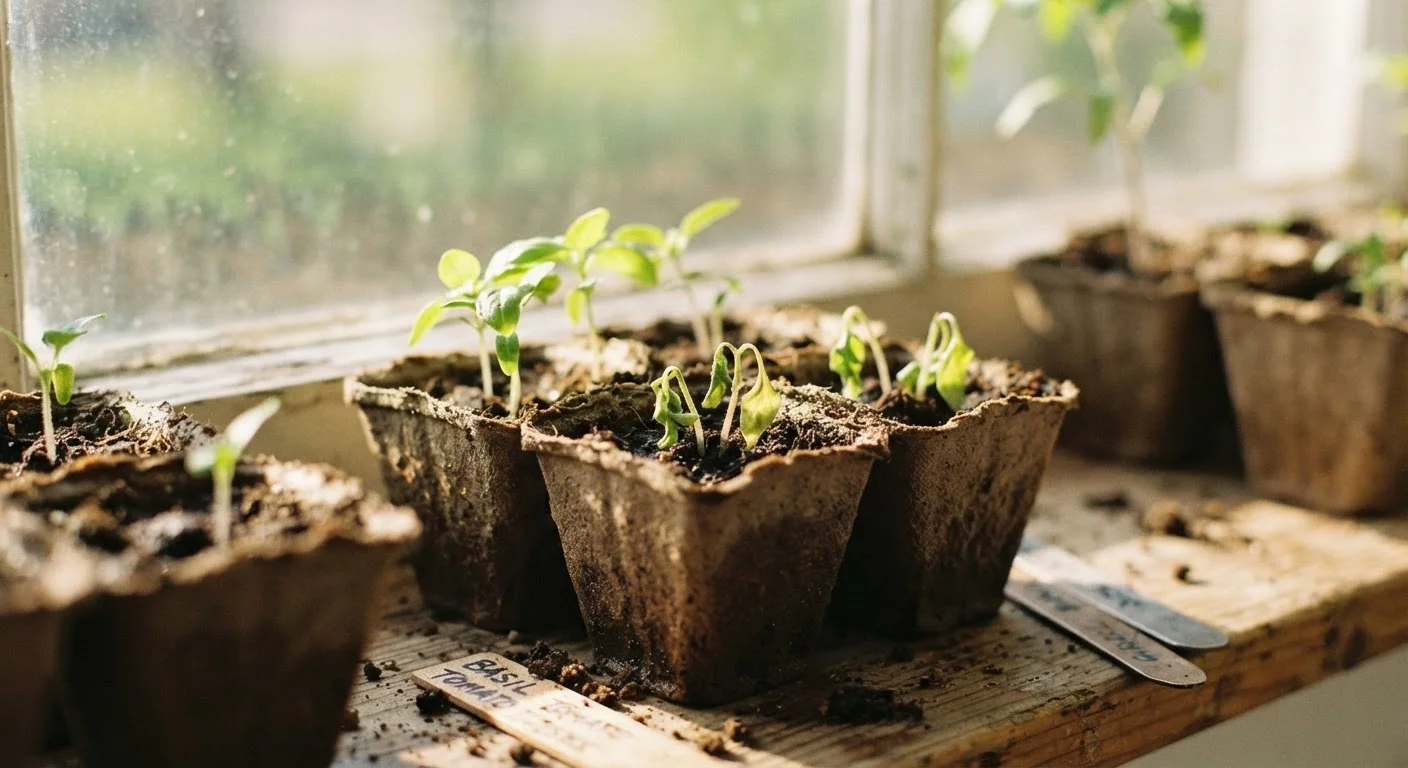
Photo: TotemBuzz.com | Your Lifestyle Companion editorial
Key Takeaways
- Overwatering is the single most common cause of seedling death among beginner gardeners.
- Seedlings need to be gradually hardened off before moving outdoors — skipping this step is fatal.
- Insufficient light causes weak, leggy growth that rarely survives transplanting.
- Starting seeds too early indoors leads to overcrowded, stressed plants before the garden is ready.
- Soil mix matters — regular garden soil compacts in containers and suffocates young roots.
Why Seedlings Are So Fragile in the First Place
Seedlings exist in a brief, vulnerable window between germination and establishment. Their root systems are tiny, their stems are soft, and they have almost no reserves to draw on when conditions go wrong. Unlike established plants that can tolerate a missed watering or a cold night, seedlings have no margin for error.
The good news is that most seedling deaths trace back to a small set of very fixable mistakes. If you've started seeds only to watch them collapse, yellow, or simply stall, one of the errors below is almost certainly the cause. Understanding why these problems happen makes them far easier to prevent next time. If you're brand new to growing, Starting a Garden from Zero provides a useful foundation before diving into the details here.
The Most Common Mistakes That Kill Seedlings
Work through this list honestly — many gardeners find they've been making more than one of these errors without realizing it.
Overwatering seedlings so the soil stays perpetually wet.
Starting seeds indoors too early, weeks before outdoor conditions are suitable.
Using regular garden soil or potting mix instead of a seed-starting mix.
Providing inadequate light, especially on interior windowsills.
Skipping the hardening-off period before transplanting outdoors.
Damping Off Is Not Recoverable
Beyond these core mistakes, it's worth considering whether starting from seed is the right choice for your situation. Seeds vs. Seedlings: Which Should New Gardeners Start With? walks through the trade-offs so you can make an informed decision for your first season.
Don't Rush the Hardening-Off Process
Building Habits That Keep Seedlings Alive
Avoiding seedling loss is less about perfect technique and more about consistent, attentive habits. Check your seedlings at the same time each day. Look at the soil, the stem bases, and the color of the leaves — these are your early warning systems.
80%
Seedling failures linked to water problems
Horticultural educators commonly cite overwatering and poor drainage as the leading causes of seedling loss among home gardeners.
7–10 days
Recommended hardening-off window
Most seed packets and extension service guides recommend a minimum of one week of gradual outdoor exposure before transplanting.
Keep a simple notebook or phone note tracking when you planted, when you watered, and what you observe. Patterns become obvious quickly, and you'll start catching problems before they become fatal. Combine this with the Garden Planning Checklist to set your whole season up with intention rather than guesswork.
Seedling losses are discouraging, but they're also genuinely instructive. Every gardener — beginner or experienced — has watched a tray of promising seedlings fail. The difference is that experienced gardeners have learned to read the signs and adjust. With the mistakes above in mind, you're already better prepared than most first-timers who start completely from scratch.
This article is for general informational and educational purposes. Results in your garden will vary based on your local climate, soil conditions, and specific plant varieties. Always consult local extension resources for guidance tailored to your region.
The content on this site is for informational purposes only and is not a substitute for professional advice. Always consult a qualified professional for guidance specific to your situation.