
Starting a Garden from Zero: A Complete First-Timer's Walkthrough

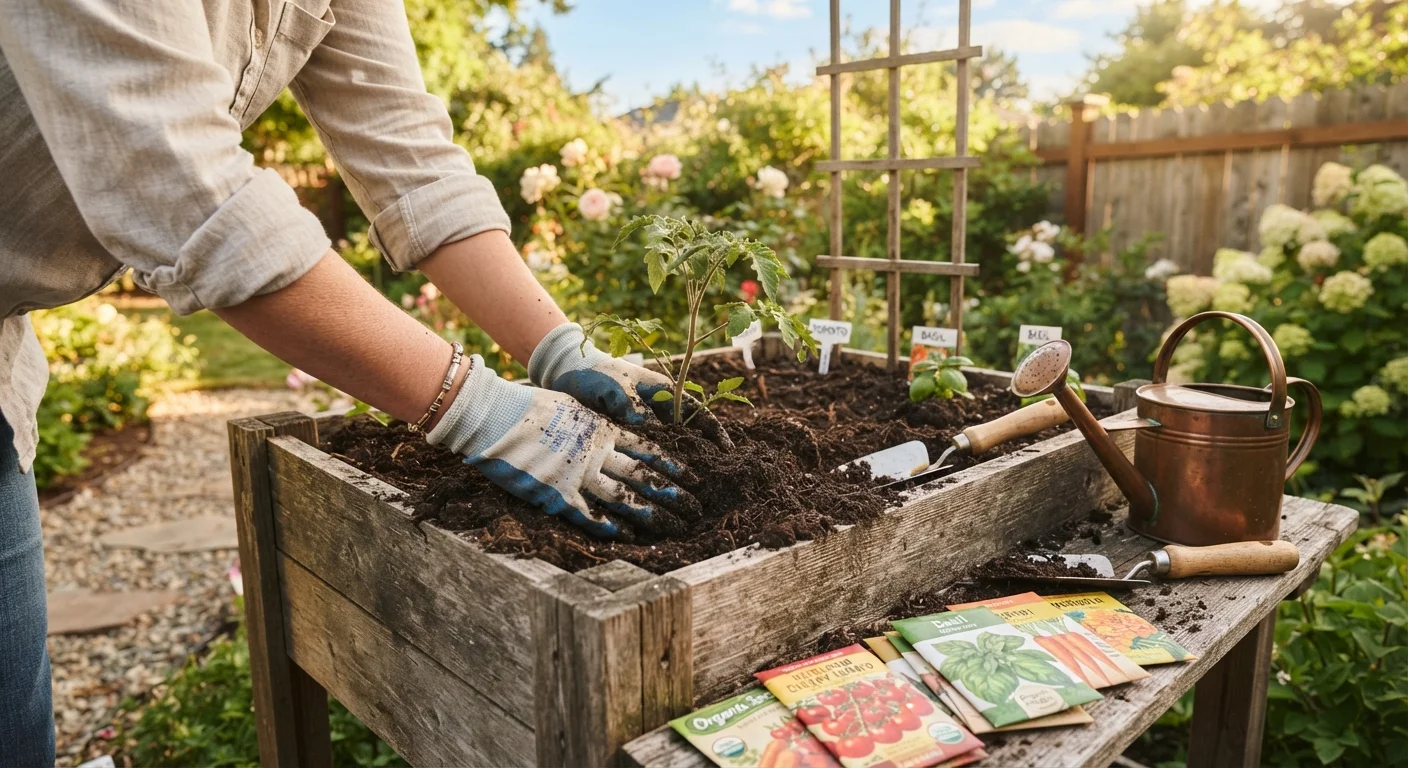
Photo: TotemBuzz.com | Your Lifestyle Companion editorial
Key Takeaways
- Most beginners succeed by starting small — a 4×4 ft plot is plenty for a first garden.
- Sunlight is the single biggest factor in plant success; aim for at least six hours of direct sun daily.
- Soil quality matters more than plant selection — amend poor soil before you plant anything.
- Seedlings are more forgiving for beginners than seeds started outdoors from scratch.
- Consistent, deep watering beats frequent shallow watering for most garden plants.
- Common mistakes like overwatering and overcrowding are easy to avoid once you know to watch for them.
Choosing the Right Spot
Before you buy a single seed packet, take a walk around your yard or outdoor space and observe it honestly. The single most important variable in garden success is sunlight. Most vegetables and flowering plants need at least six hours of direct sun each day — some, like tomatoes and peppers, prefer eight. Count the hours carefully; what looks like a bright spot can be shadier than it seems once you factor in structures, fences, and trees.
Beyond light, consider proximity to a water source. Hauling a heavy hose across the yard every other day is a real deterrent to consistent watering. If you can position your garden within reach of an outdoor faucet, you'll remove a common reason beginners give up.
Think about the ground itself. Is it relatively level? Does water pool there after rain, or does it drain quickly? Poorly draining soil creates waterlogged roots — a common cause of plant failure. If your only available spot drains poorly, a raised bed can solve the problem. Our guide to raised beds vs. ground-level planting walks through both approaches so you can decide what fits your space.
pH
A scale from 0 to 14 that measures how acidic or alkaline your soil is. Most vegetables grow best when soil pH sits between 6.0 and 7.0, which is slightly acidic to neutral.
Compost
Decomposed organic matter — like food scraps and leaves — that is mixed into soil to improve its structure, drainage, and nutrient content.
Transplant
A young plant that was started indoors or in a nursery and then moved into the garden. Buying transplants is often easier for beginners than starting from seed.
Hardiness Zone
A geographic category assigned by the USDA based on average minimum winter temperatures. It helps gardeners choose plants that can survive their local climate.
Mulch
A layer of material — such as straw, wood chips, or shredded leaves — spread over garden soil to reduce weeds, retain moisture, and regulate soil temperature.
Amending
The process of adding materials like compost, lime, or sand to soil to improve its texture, nutrient content, or pH before planting.
Understanding Your Soil
Healthy soil is the foundation of a healthy garden, and most beginners underestimate how much it matters. Garden soil should feel loose and crumbly — not compacted like clay or so sandy that water runs straight through. A simple way to assess drainage is to dig a hole about 12 inches deep, fill it with water, and watch. If water is still sitting there an hour later, drainage is a problem.
A proper soil test reveals your soil's pH (acidity or alkalinity) and nutrient levels. Most vegetables prefer a pH between 6.0 and 7.0. Tests are available through your local cooperative extension service, often at little or no cost. Based on results, you may need to add lime to raise pH, sulfur to lower it, or compost to improve overall structure.
Speaking of compost: it is the most universally useful soil amendment for beginners. Mixing several inches of compost into the top layer of your soil before planting improves drainage, adds nutrients, and encourages the earthworm activity that keeps soil aerated. Learn more about making your own with our guide to composting at home.
Deciding What to Grow
The most common first-garden mistake is planting too many different things. Variety feels exciting in the planning stage, but it multiplies the care requirements and makes it harder to learn what's working. A focused first season — say, three to five plant types — teaches you far more than a sprawling, ambitious plot.
Choose plants that match three practical criteria: what you actually enjoy eating, what grows well in your climate zone, and what suits a beginner's schedule. Crops like zucchini, green beans, cherry tomatoes, lettuce, and herbs consistently reward new gardeners with relatively quick results. Check your USDA Plant Hardiness Zone — it's based on your zip code and tells you which plants are suited to your winter temperatures, though for warm-season vegetables, your local last frost date is more immediately relevant.
Before you put anything in the ground, use the garden planning checklist for first-season growers to assess your space, time, and goals systematically.
Start with a small, focused plant list
Seeds, Seedlings, and Getting Plants in the Ground
One of the earliest decisions you'll face is whether to grow from seed or buy transplants — young plants already started at a nursery. Both approaches have genuine advantages, and the right choice depends on the crop, your timing, and your comfort level. Our article on seeds vs. seedlings for new gardeners covers the full trade-offs in detail.
As a general rule: crops like beans, carrots, and radishes are best sown directly in the garden because they don't transplant well. Tomatoes, peppers, and brassicas (like broccoli and cabbage) are easier to start from nursery transplants, since they require a long indoor growing period before outdoor conditions are suitable.
When planting, spacing matters more than most beginners realize. Crowded plants compete for light, water, and nutrients — and crowding also reduces airflow, which encourages disease. Read the plant tag or seed packet spacing instructions and follow them, even when seedlings look tiny and the gaps feel wasteful.
Don't plant warm-season crops too early
Watering, Feeding, and Ongoing Care
Most vegetable gardens need roughly one inch of water per week. The key is consistency and depth, not frequency. Shallow daily watering encourages shallow roots, making plants vulnerable to drought and heat. Instead, water deeply one or two times per week so moisture reaches several inches into the soil. Check by pressing a finger an inch into the soil — if it feels dry, it's time to water.
Feeding your garden depends on your soil test results and what you're growing. Many well-amended soils with added compost won't need supplemental fertilizer early in the season. When feeding is necessary, a balanced, slow-release granular fertilizer applied according to package directions is a safe starting point. Avoid over-fertilizing — too much nitrogen pushes leafy growth at the expense of fruit and flowers.
Weeding is the ongoing task most beginners dread. A layer of mulch — straw, shredded leaves, or wood chips — laid two to three inches deep around your plants significantly slows weed growth and also helps retain soil moisture. Pulling weeds when they are small is far easier than waiting until they are established.
Keep an eye out for insects. Not all bugs are problems — many are beneficial pollinators or predators of harmful pests. Our guide to garden pests beginners misidentify helps you tell the difference before you reach for any controls.
Common First-Year Pitfalls to Avoid
Even well-prepared beginners run into predictable stumbling blocks. Knowing them in advance gives you a real advantage.
- Overwatering: More plants are killed by too much water than too little. Waterlogged roots suffocate. When in doubt, check the soil before watering again.
- Planting too early: Cold-sensitive crops planted before the last frost date can be killed overnight. Confirm your local frost date before any warm-season planting.
- Ignoring plant spacing: Crowded plants underperform and get sick. Follow spacing guidance on every seed packet and plant tag.
- Skipping the soil: Planting directly into poor, unammended soil almost guarantees disappointing results. Invest in soil quality first.
- Quitting after one failure: Every gardener loses plants. A yellowed tomato or a failed row of seeds is a learning experience, not a verdict on your ability to garden.
Starting a garden is a process of gradual skill-building. Your first season won't be perfect — and it doesn't need to be. The goal is to finish the season with more knowledge than you started with, and enough success to want to try again.
Frequently Asked Questions
The content on this site is for informational purposes only and is not a substitute for professional advice. Always consult a qualified professional for guidance specific to your situation.