
Raised Beds vs. Ground-Level Planting: What Works Better for Beginners?

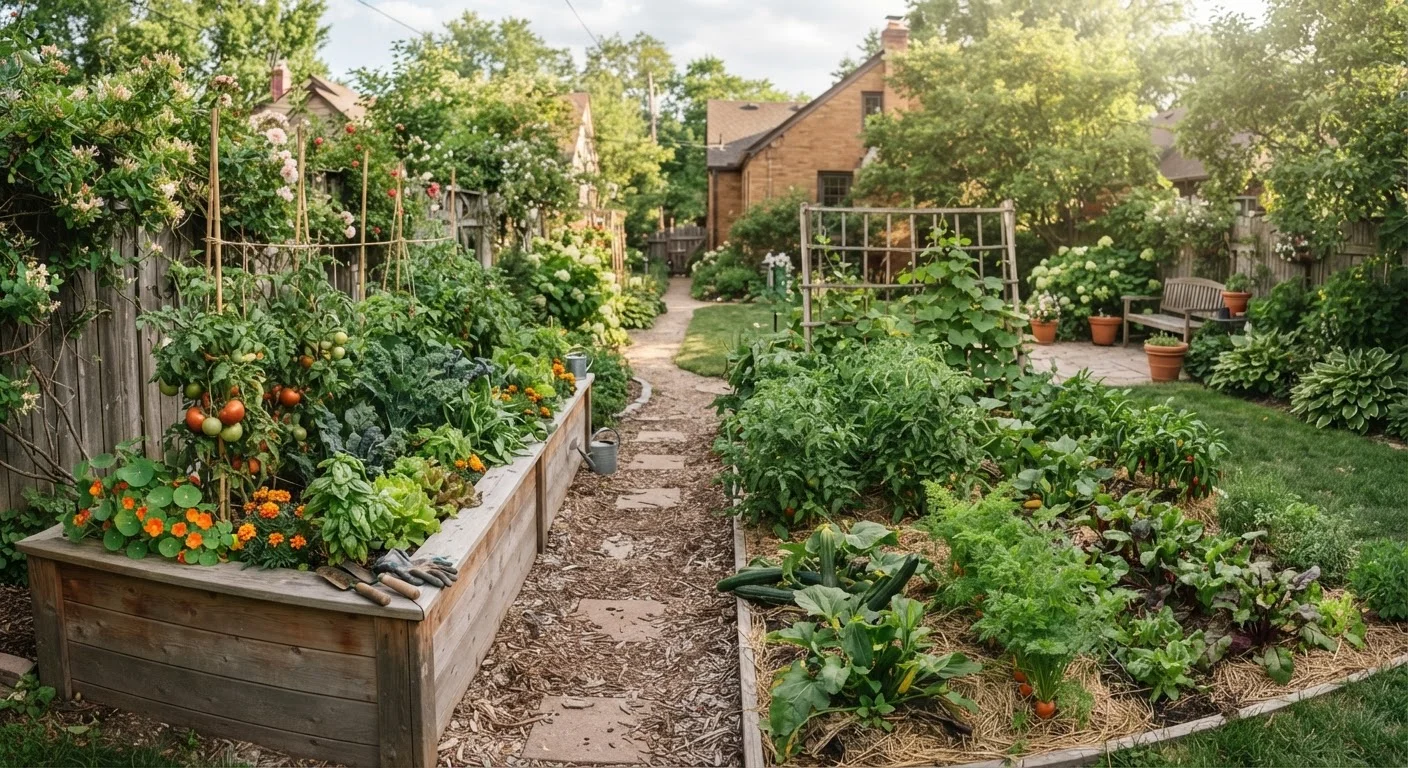
Photo: TotemBuzz.com | Your Lifestyle Companion editorial
Key Takeaways
- Raised beds give beginners precise control over soil quality and drainage from day one.
- Ground-level planting costs less to start and scales more easily to larger garden areas.
- Raised beds reduce bending and kneeling, which matters for gardeners with physical limitations.
- Native soil quality is the biggest factor when deciding which approach to use.
- Both methods can produce excellent results when matched to the right conditions.
The Core Difference Between the Two Approaches
Raised beds are enclosed growing structures — typically wooden frames, galvanized metal, or masonry — filled with a custom growing mix that sits above the native ground. Ground-level planting means working directly with the existing soil in your yard, amended or not.
The distinction matters most because of what's underneath your feet. If you have rich, loamy native soil that drains well, ground-level planting is entirely sensible. If your yard is packed with clay, rocks, or construction fill — a common reality in newer suburban neighborhoods — you're essentially starting at a disadvantage. Understanding what your soil is actually made of should be one of your first steps, regardless of which method you choose.
Both approaches grow vegetables, flowers, and herbs successfully. The difference lies in how much setup effort, cost, and soil management each one demands — and that's where beginners often get tripped up.
| Criterion | Raised Garden Beds | Ground-Level Planting |
|---|---|---|
| Upfront cost | Moderate to high | Low to moderate |
| Soil quality control | Full control from the start | Depends on native soil |
| Drainage | Naturally excellent | Varies by site and soil type |
| Weed pressure | Lower in early seasons | Can be significant |
| Physical accessibility | Easier; less bending | Requires more ground-level work |
| Scalability | Costly to expand | Easy and inexpensive to expand |
| Moisture retention | Dries faster in summer | Holds moisture longer |
| Setup time | Several hours to build and fill | Faster with basic soil prep |
Where Raised Beds Have a Real Advantage
For most beginners, raised beds shine in three areas: soil control, drainage, and weed suppression. Because you fill a raised bed entirely with your own growing mix, you're not fighting compaction or nutrient deficiency from day one. Drainage is naturally better since water moves away from roots more freely than in heavy native soil.
Weed pressure is also noticeably lower in a raised bed, especially in the first season, because you're not starting with a seed bank of weed seeds already in the ground. That alone can make early gardening feel far more rewarding and less like a constant battle.
6–8 inches
Minimum raised bed depth for most vegetables
Most cooperative extension services recommend at least 6 inches of growing medium, with 10–12 inches preferred for root crops like carrots.
30–50%
Estimated reduction in weeding time in raised beds
University extension gardening guides commonly note that raised beds can significantly reduce weed pressure compared to untreated in-ground plots, particularly in the first few seasons.
Raised beds also warm up faster in spring, which can extend your growing season slightly in cooler climates. And if you're planning around the full set of decisions a first-season grower faces, a raised bed simplifies several of them by giving you a clean, defined space to work within.
Where Ground-Level Planting Holds Its Own
The most obvious advantage of in-ground gardening is cost. A raised bed requires materials for the frame, a significant volume of soil mix to fill it, and the labor to build it. In-ground planting requires soil amendments — compost, perhaps some added organic matter — and tools you likely already own.
Scaling up is also far simpler in the ground. Doubling your growing area means turning over more soil, not buying more lumber and bags of mix. For gardeners who want to grow a meaningful crop of vegetables rather than a small decorative patch, ground-level planting is often the more practical long-term path.
In-ground gardens also don't dry out as quickly as raised beds during summer heat, which can reduce how often you need to water. Deep-rooted plants like tomatoes, squash, and corn typically do well in-ground because their roots can travel freely through native soil layers. Be sure to check our guide on common gardening myths — some popular in-ground soil prep advice (like adding gravel for drainage) is actually counterproductive.
Testing Your Soil Before You Decide
Making the Right Call for Your Situation
There's no universal answer, and you don't have to commit to just one method. Many experienced gardeners use raised beds for crops that need precise drainage and soil quality — like carrots, salad greens, and herbs — while using in-ground space for sprawling crops like squash, beans, or sunflowers.
If you're renting, dealing with limited outdoor space, or want to try gardening before committing to permanent landscape changes, raised beds (especially movable metal planters) make sense. If you're worried about the footprint and expense, you might also explore container gardening as a low-commitment alternative. And whichever direction you go, pairing your choice with the right starting plants — whether from seed or seedling — will shape how your first season feels.
The goal is to lower the barriers to a successful first growing season. Both methods can deliver that — the right fit depends on your soil, your space, your budget, and how hands-on you want to be from the start.
The content on this site is for informational purposes only and is not a substitute for professional advice. Always consult a qualified professional for guidance specific to your situation.