
Growing Vegetables in a Small Space: Container Gardening Without the Frustration

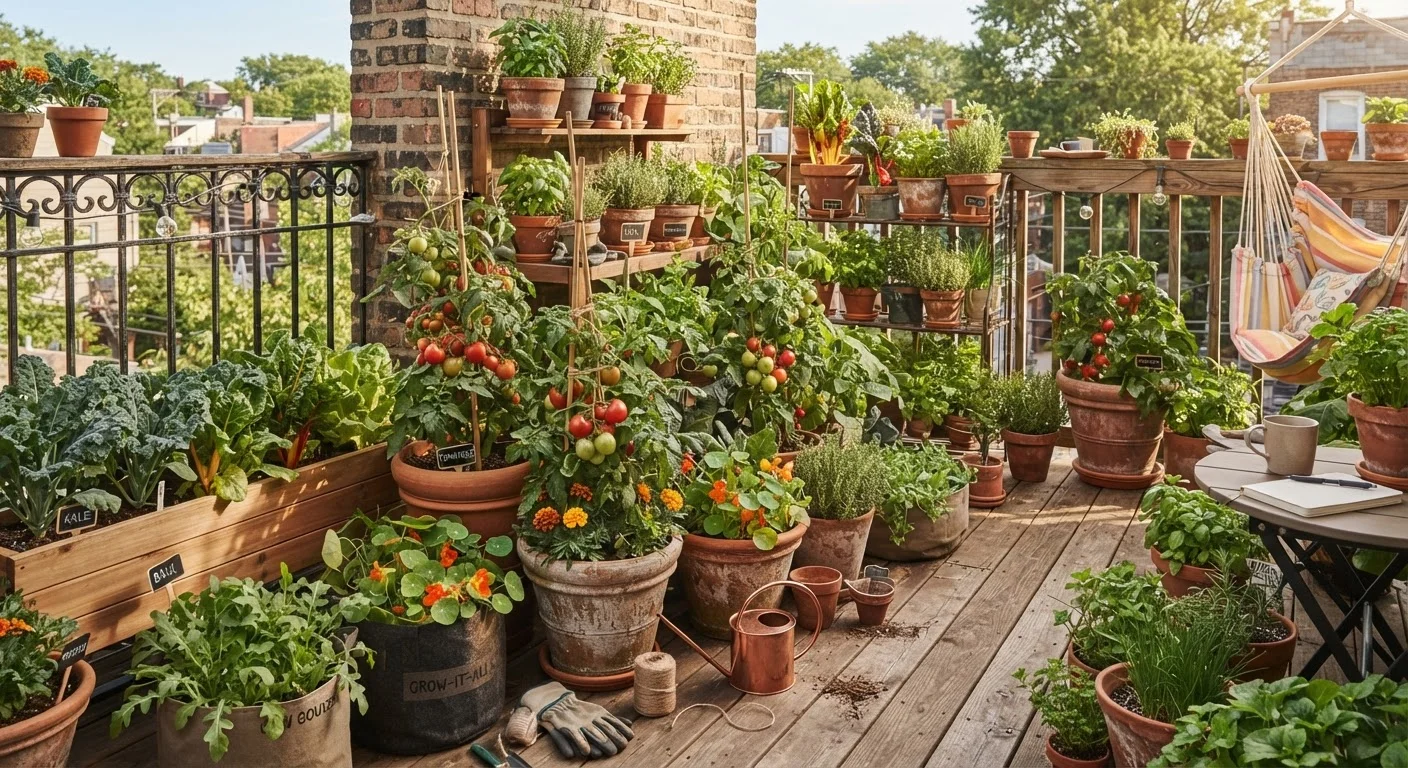
Photo: TotemBuzz.com | Your Lifestyle Companion editorial
Key Takeaways
- Containers need proper drainage, sufficient volume, and high-quality potting mix — not garden soil.
- Vegetables like lettuce, radishes, cherry tomatoes, and herbs consistently perform well in pots.
- Container gardens dry out faster than ground beds and need more frequent watering and feeding.
- Starting small with two or three containers builds confidence before scaling up.
- Choosing the right container size for each crop is one of the biggest factors in success.
Why Container Gardening Works — Even in Tight Spaces
Container gardening is one of the most accessible ways to grow your own food. It requires no yard, no tilling, and no large upfront investment. A balcony, patio, rooftop, or even a fire escape (where local codes allow) can host a productive kitchen garden. Containers also give you control that in-ground beds don't: you can move pots to follow sunlight, bring tender plants indoors before a frost, and avoid the soil quality problems common in urban lots.
If you're just getting started with gardening in general, Starting a Garden from Zero is a helpful companion that covers the fundamentals every new grower needs before putting anything in the ground — or in a pot. Container growing shares most of the same principles, just in a more compact format.
The frustration many beginners experience comes from a few preventable mistakes: using the wrong soil, choosing containers that are too small, or underestimating how frequently pots need water. This guide addresses all of them directly.
Group Containers to Reduce Watering Frequency
What You'll Need Before You Start
What you will need
Containers (5–15 gallon)
Provide the growing volume roots need; size depends on the crop being grown.
Bagged potting mix
Gives container plants the aerated, nutrient-retaining growing medium they need to thrive.
Watering can or hose with gentle attachment
Delivers water evenly without disturbing soil or damaging seedlings.
Slow-release granular fertilizer
Feeds container plants steadily over weeks, reducing the need for frequent liquid feeding.
Drainage saucers
Catch excess water and protect surfaces, especially important on balconies and decks.
Liquid fertilizer (balanced formula)
Supplements slow-release fertilizer during heavy fruiting periods when plants need extra nutrition.
One note on location: sun is the single biggest limiting factor for vegetable containers. Most food crops need a minimum of six hours of direct sunlight per day. If your space gets less than that, focus on leafy greens and herbs, which tolerate partial shade better than fruiting crops like tomatoes or peppers. Use the Garden Planning Checklist to honestly assess your space before you spend anything.
Step-by-Step: Setting Up and Maintaining Your Container Garden
Never Use Garden Soil in Containers
Choose the right vegetables for container growing
Not all vegetables adapt equally well to life in a pot. The most beginner-friendly choices include:
- Salad greens and lettuce — shallow-rooted, fast-maturing, and productive in 6–8 inch deep containers
- Radishes — ready to harvest in as few as 25 days and require minimal space
- Cherry tomatoes — more forgiving than larger varieties; look for compact or "patio" types
- Bush beans — self-supporting and well-suited to medium pots (at least 12 inches deep)
- Herbs (basil, parsley, chives) — highly productive in small containers and useful daily in the kitchen
- Peppers — similar container requirements to tomatoes; compact varieties work especially well
Avoid vining crops like full-size pumpkins, sprawling squash, or sweet corn on first attempts — they need far more space than containers realistically provide.
Match your container size to the crop
Container size is one of the most consequential decisions you'll make. A pot that's too small restricts roots, causes rapid drying, and stunts growth. General guidelines:
| Crop | Minimum container depth | Minimum volume |
|---|---|---|
| Lettuce / greens | 6–8 inches | 2–3 gallons |
| Herbs | 6 inches | 1–2 gallons |
| Radishes / green onions | 8 inches | 2 gallons |
| Bush beans / peppers | 12 inches | 5 gallons |
| Cherry tomatoes | 12–14 inches | 10–15 gallons |
Drainage holes are non-negotiable — pots without them will waterlog roots. If you fall in love with a decorative pot that lacks holes, use it as a sleeve around a functional inner pot.
Fill containers with a quality potting mix
Pour potting mix into your containers, filling to about 1–2 inches below the rim. This gap prevents water from running straight off the surface before it can soak in. If your potting mix doesn't already contain a slow-release fertilizer, mix in a granular formula according to label directions before planting. Lightly firm the mix without compacting it — roots need air pockets as much as they need moisture.
Plant at the correct depth and spacing
Follow the planting depth on your seed packet or seedling tag precisely. Burying stems too deep can cause rot; planting too shallow leaves roots exposed. For transplants, set them at the same soil level they were growing in their nursery pot — tomatoes are one exception, as burying the stem deeper encourages additional root growth along the buried stem. Space plants according to tag guidance even if it feels sparse — crowding reduces airflow and invites disease.
Water consistently and check daily
Container gardens lose moisture far faster than in-ground beds because the soil volume is small and surrounded by air on all sides. In warm weather, most containers need watering once per day — sometimes twice for small pots or on hot, windy days. Water slowly until it drains freely from the bottom holes, which signals the entire root zone is saturated. Avoid wetting foliage if possible to reduce fungal risk.
Feed regularly throughout the growing season
Frequent watering flushes nutrients from potting mix quickly. Even if you added slow-release granules at planting time, supplement with a balanced liquid fertilizer every two to three weeks once plants are actively growing. During heavy fruiting (tomatoes, peppers, beans), increase feeding slightly. Watch leaves for yellowing — pale, tired foliage is often a sign plants need feeding rather than more water.
Overwatering Is the Most Common Beginner Mistake
Troubleshooting Common Container Garden Problems
Even with good preparation, you'll encounter setbacks. Here's how to read the most common warning signs:
- Wilting mid-day on a hot day — often temporary heat stress rather than drought; check soil moisture before watering automatically
- Yellow lower leaves — usually a nitrogen deficiency from nutrients leaching out; feed with a balanced fertilizer
- Leggy, stretched seedlings — insufficient light; move the container to a sunnier position
- Slow fruiting on tomatoes or peppers — temperature extremes, irregular watering, or insufficient feeding are common culprits
- White crust on soil surface — mineral buildup from tap water or fertilizer; flush the pot thoroughly with clean water
Container gardening rewards observation. A few minutes each day checking on your plants will catch most issues before they become serious losses. As you gain confidence, consider exploring raised bed growing as a natural next step once you're ready to move beyond portable pots.
It also helps to question advice you encounter online. Some widely repeated gardening tips — like adding a gravel layer at the bottom of pots for drainage — are not supported by horticultural science. Gardening Myths That Trip Up New Growers is a useful read for separating fact from folklore before you develop habits that are hard to unlearn.
The content on this site is for informational purposes only and is not a substitute for professional advice. Always consult a qualified professional for guidance specific to your situation.