
Garden Pests That Beginners Often Mistake for Harmless Insects

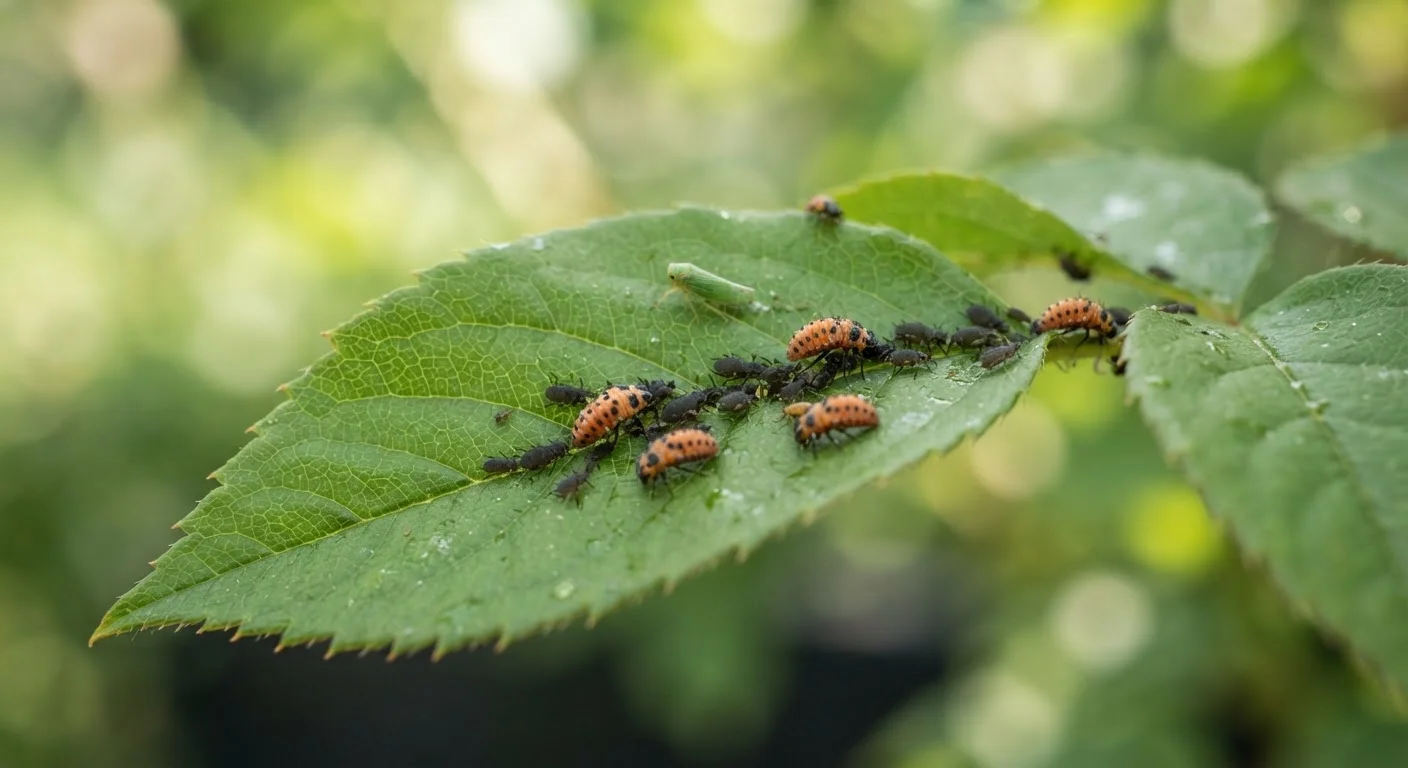
Photo: TotemBuzz.com | Your Lifestyle Companion editorial
Key Takeaways
- Many garden pests look harmless or even attractive, making them easy for beginners to overlook.
- Some insects that appear threatening — like ground beetles — are actually beneficial predators.
- Correctly identifying pests before acting prevents you from harming helpful insects by mistake.
- Physical removal and targeted, minimal intervention are often safer first responses than broad pesticide use.
- Learning a handful of key pest features builds lasting garden confidence beyond any single season.
Why Identification Matters Before You Act
When you're new to gardening, the instinct to eliminate any unfamiliar bug is understandable — but acting too quickly can do more harm than good. Spraying broadly, for example, can wipe out the very insects that were keeping real pests in check. Before reaching for any spray bottle or squishing anything, it pays to pause and take a closer look.
The goal isn't to memorize every species in your yard. It's to recognize a handful of common culprits that beginners most often misidentify, so you can make smart decisions when something is actually eating your plants. See our complete first-timer's garden walkthrough if you're still building your foundational knowledge.
When to Consult a Local Expert
The list below covers insects frequently spotted in US home gardens. Where you see one, look for the signs of damage it leaves — chewed leaves, sticky residue, wilting stems — rather than relying on appearance alone.
Aphids (mistaken for harmless specks)
Aphids are tiny — often less than an eighth of an inch — and gather in clusters on new growth, stems, and the undersides of leaves. Because they're so small and can be green, yellow, or even pink, beginners frequently overlook them entirely or assume they're part of the plant.
The damage they cause is slow but cumulative: they pierce plant tissue to feed on sap, which causes leaves to curl, yellow, and stunt. They also excrete a sticky substance called honeydew that encourages sooty mold growth. A strong spray of water can knock them off and disrupt their feeding cycle — this is often the simplest first step.
Aphids are easy to miss until their slow, cumulative damage has already set a plant back.
Squash vine borers (mistaken for benign moths)
The adult squash vine borer is a day-flying moth that resembles a wasp, with orange and black markings. Many gardeners see it hovering near squash plants and assume it's pollinating — by the time the damage is visible, larvae have already tunneled into the stem.
Signs of infestation include sudden wilting despite adequate water, and a sawdust-like frass (insect waste) at the base of stems. Because the larvae live inside the plant, surface treatments are largely ineffective. Row covers placed before adult moths appear in early summer are one of the more reliable preventive strategies.
The squash vine borer's wasp-like appearance fools many gardeners until plants begin wilting suddenly.
Scale insects (mistaken for bark or growth)
Scale insects attach themselves to woody stems and branches and cover themselves with a hard or waxy shell, making them look like natural bumps or scabs on the plant. They're easy to miss on first glance and are frequently dismissed as a texture feature of the bark itself.
Like aphids, scale insects suck plant sap. Over time, a heavy infestation weakens the plant, causes yellowing, and can lead to dieback of branches. Scraping them off manually with a soft toothbrush or cotton swab dipped in rubbing alcohol is an effective control for light infestations on small plants.
Scale insects disguise themselves as natural bark bumps, making them one of the most overlooked garden pests.
Caterpillars (mistaken for fascinating wildlife)
Caterpillars are undeniably interesting to look at, and many beginners feel reluctant to remove them — particularly the more colorful or striking varieties. However, caterpillars are the larval stage of moths and butterflies, and several species are significant defoliators of vegetable and ornamental plants.
Tomato hornworms, cabbage loopers, and imported cabbageworms are among the most destructive in home vegetable gardens. The telltale signs are ragged holes in leaves and dark green droppings on or below the plant. Hand-picking is effective when populations are small, and checking the undersides of leaves for egg clusters before they hatch can prevent a larger problem.
A colorful caterpillar may be visually striking, but several common species can strip a vegetable plant quickly.
Whiteflies (mistaken for harmless white moths)
Whiteflies are tiny, winged insects that cluster on the undersides of leaves. When a plant is disturbed, they rise in a small white cloud — which beginners often find more startling than alarming and may not associate with plant damage at all.
They feed on plant sap and, like aphids, produce honeydew that leads to sooty mold. They reproduce rapidly in warm conditions, which means a small population can grow into a serious problem within weeks. Yellow sticky traps can help monitor and reduce populations, and keeping plants well-spaced to improve air circulation makes infestations less likely to take hold.
Whiteflies reproduce so rapidly in warm weather that a small cloud around one plant can become a full infestation within weeks.
Ground beetles (mistaken for harmful pests)
This entry goes in the opposite direction: ground beetles are large, dark, fast-moving insects that often startle gardeners and get killed on sight. In reality, they are predatory insects that feed on slugs, soil-dwelling grubs, and other garden pests.
They prefer moist environments and are most active at night, which is why they tend to appear when soil is disturbed or after watering. Leaving some mulch or leaf litter in garden borders gives them habitat. Recognizing ground beetles — and letting them be — is one of the simplest ways to encourage free, natural pest control in your garden.
Ground beetles look alarming but are valuable allies that prey on slugs, grubs, and other real garden pests.
Building Better Habits Around Pest Management
Once you can tell a harmful pest from a harmless or helpful visitor, your response options open up considerably. Hand-picking larger pests like caterpillars, dislodging aphid clusters with a firm stream of water, or introducing companion plants that deter specific insects are all low-impact approaches worth trying before escalating to any chemical control.
Start a Simple Garden Observation Habit
It also helps to remember that a few nibbled leaves on an otherwise healthy plant rarely signals a crisis. Many new gardeners over-respond to minor, natural leaf damage. Healthy soil, proper watering, and good plant spacing all contribute to a plant's ability to tolerate some insect pressure. For a broader look at misunderstood garden advice, check out our article on gardening myths that trip up new growers.
The content on this site is for informational purposes only and is not a substitute for professional advice. Always consult a qualified professional for guidance specific to your situation.