
What Gardening Labels and Plant Tags Are Actually Telling You

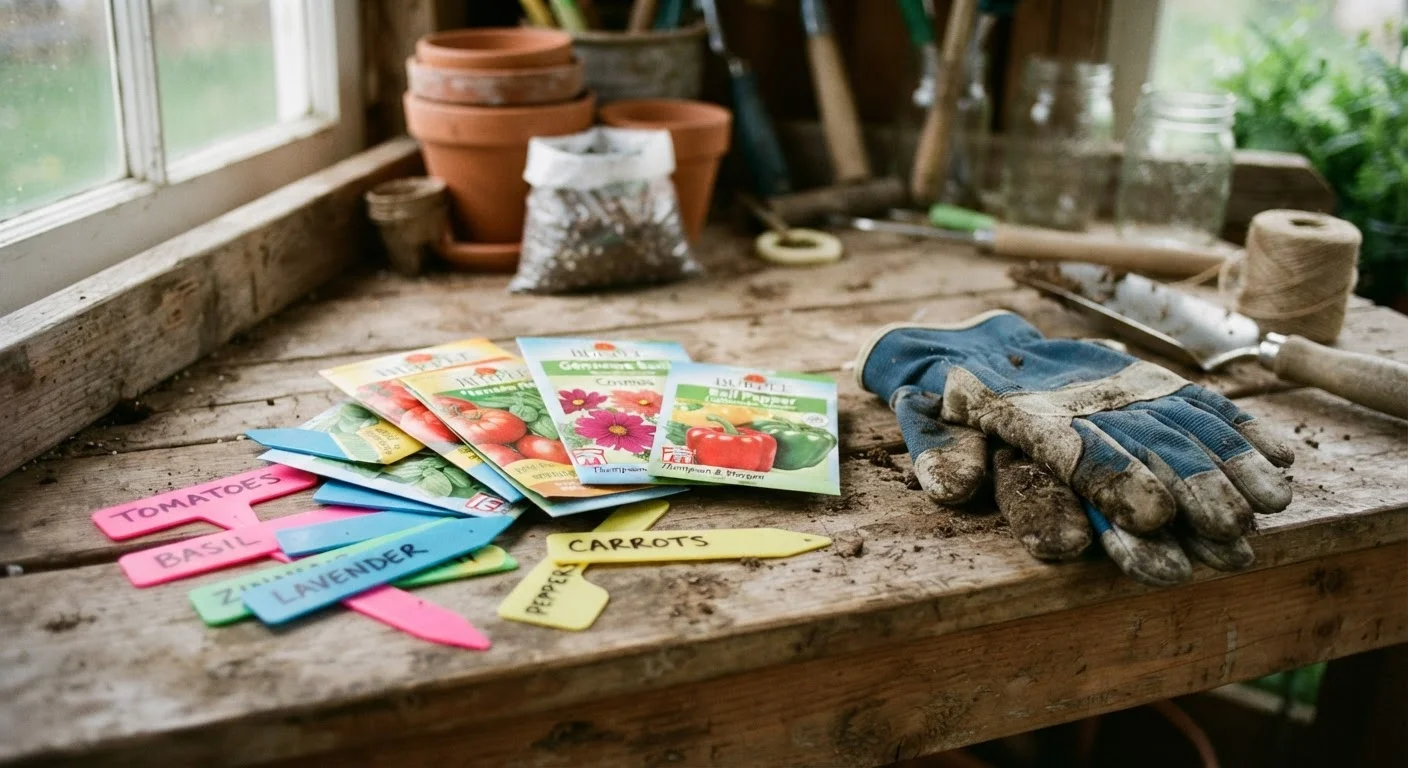
Photo: TotemBuzz.com | Your Lifestyle Companion editorial
Why Plant Labels Deserve a Second Look
Most gardeners glance at the plant name, maybe notice the picture, and tuck the tag into the soil without reading further. That habit costs them — plants end up crowded, shaded, or planted in the wrong season. Every term printed on that small plastic slip is there for a practical reason, and understanding them can be the difference between a thriving bed and a frustrating one.
Think of a plant label the way you'd think of any technical document: each field answers a specific question about care. Sunlight requirements, for example, are one of the most misread fields — and one of the most consequential. This guide walks you through every major label term so you can read any tag with confidence.
Hardiness Zone
A number assigned by the USDA to geographic regions based on average annual minimum winter temperatures. It indicates which plants can reliably survive the winter outdoors in a given area.
Days to Maturity
The typical number of days a plant needs to produce a harvestable crop or reach full bloom, measured from transplanting or germination. Actual timing varies with local conditions.
Spacing
The recommended distance between plants at their mature size. Correct spacing reduces competition for water and nutrients and helps prevent disease caused by poor air circulation.
Full Sun
A light condition requiring at least six hours of direct sunlight per day. Plants labeled full sun generally perform poorly and may not flower in shadier spots.
Perennial
A plant that lives for more than two years, dying back in winter (in most climates) and returning from its root system each spring. Perennials are generally replanted less often than annuals.
Annual
A plant that germinates, flowers, sets seed, and dies within a single growing season. Most vegetable crops and many flowering bedding plants are annuals.
Soil pH
A scale from 0 to 14 indicating how acidic or alkaline the soil is. A pH of 7 is neutral; most vegetables prefer a range of 6.0–7.0. Labels sometimes specify an ideal pH range for best growth.
Frost Date
The average date of the last spring frost or first fall frost in a given location. Frost dates help gardeners time planting to avoid cold damage, especially for tender annuals and vegetables.
The Core Fields Explained
Once you recognize what each label section is answering, the information snaps into place quickly.
| USDA Hardiness Zones in the US | Zones 1–13 (1 = coldest, 13 = warmest) (USDA Plant Hardiness Zone Map) |
| Full Sun Definition | 6+ hours of direct sunlight per day |
| Part Shade / Part Sun | 3–6 hours of direct sunlight per day |
| Days to Maturity — Measured From | Transplant date (vegetables) or germination (seeds) (Varies by label; check wording carefully) |
| Typical Soil pH Range for Vegetables | 6.0–7.0 (General horticultural guidance) |
| Biennial Life Cycle | Flowers in year 2, then dies |
Hardiness Zone
This is a number (sometimes with a letter, like 6b) from the USDA Plant Hardiness Zone Map, which divides the US into regions based on average annual minimum winter temperature. A label showing Zones 5–9 means the plant can survive winters in those zones without special protection. If your area falls outside that range, the plant may die back or fail to return the following year. Look up your zip code on the USDA map to confirm your zone before buying.
Sun Requirements
Full sun means at least six hours of direct sunlight per day. Part sun or part shade typically means three to six hours. Full shade means fewer than three hours of direct light. These aren't preferences — they reflect what the plant genuinely needs to photosynthesize and bloom well. Placing a full-sun plant in a shaded corner usually produces leggy, weak growth. See our guide to reading garden light for help assessing your specific yard.
Spacing and Height
Spacing tells you how far apart to plant each specimen at maturity — not at the time of planting. Beginners routinely underestimate this and end up with an overcrowded bed that encourages disease and competition for nutrients. Height and spread figures tell you the plant's expected mature dimensions, which matter for planning sight lines, pathways, and companion planting.
Days to Maturity
This figure, common on vegetable and seed labels, indicates how long the plant typically takes from transplant (or germination, depending on the label) to produce a harvestable crop. It's a planning tool rather than a guarantee — actual timing can vary with weather and soil conditions. Pair this number with your local frost dates to confirm you have enough growing season. Our article on seasonal planting timing explains how to work backward from your first frost date.
Annual, Perennial, or Biennial
This single word shapes your budget and planning more than almost anything else on the label. Annuals complete their full life cycle in one season and must be replanted. Perennials return each year from their root system. Biennials take two years to flower and set seed, then die. For a deeper look at how this distinction affects long-term garden design, see our piece on annuals vs. perennials.
Label Information Is a Starting Point
The content on this site is for informational purposes only and is not a substitute for professional advice. Always consult a qualified professional for guidance specific to your situation.