
Reading the Seasons: When to Plant, Prune, and Prepare in a Temperate Garden

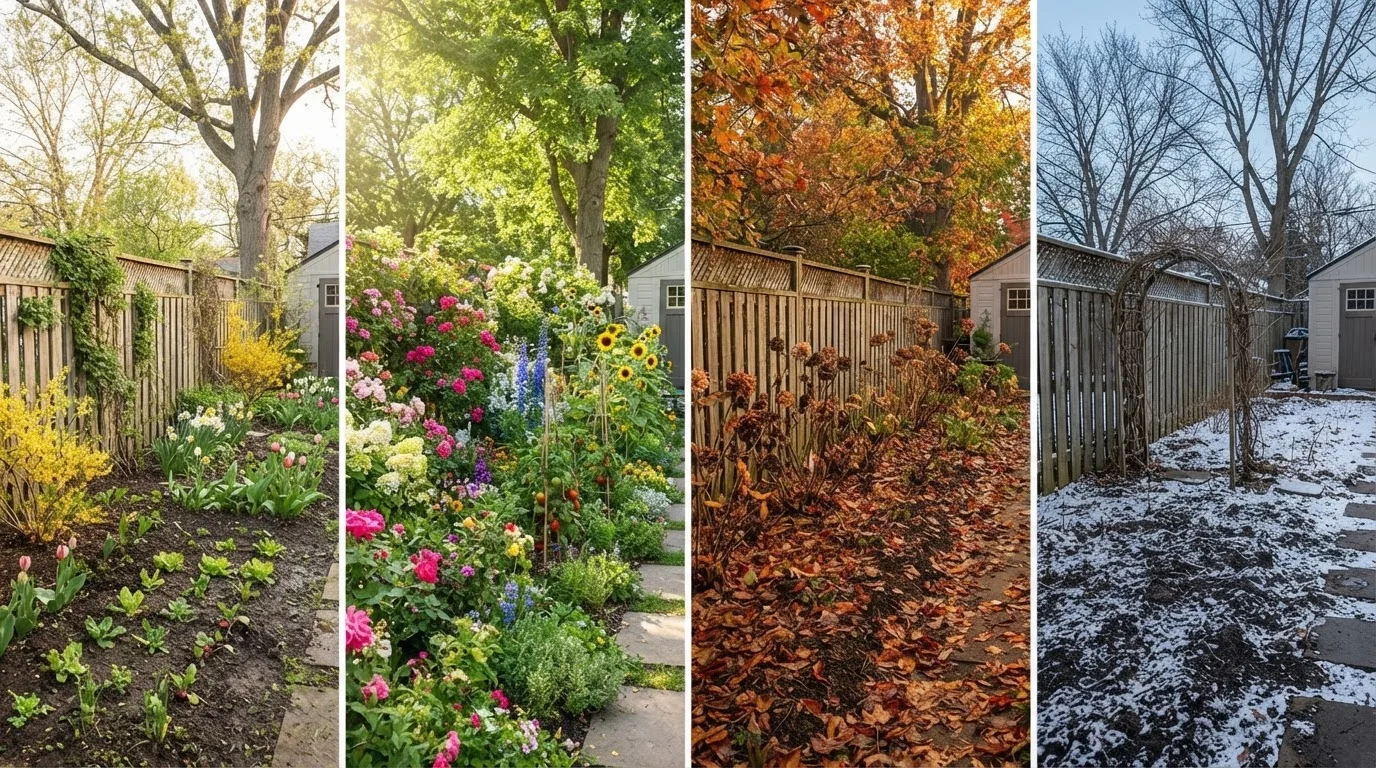
Photo: TotemBuzz.com | Your Lifestyle Companion editorial
Key Takeaways
- The last frost date in your ZIP code is the single most important date for spring planting.
- Autumn is an underrated planting season — many bulbs and perennials establish best in cooling soil.
- Pruning at the wrong time can remove next year's flower buds or leave plants vulnerable to frost.
- Winter is the best time to plan layout changes before you are too busy to think clearly.
- Your local USDA hardiness zone and microclimate matter more than general seasonal advice.
Why Timing Matters More Than Most Beginners Realize
Most gardening mistakes are not about what you plant — they are about when you plant it. Sow tomatoes too early and a late frost will kill them overnight. Prune roses at the wrong moment and you cut away the buds that would have flowered in June. Understanding seasonal rhythm is not advanced gardening; it is the foundation everything else rests on.
A temperate garden — one that experiences four distinct seasons with cold winters and warm summers — operates on a biological clock. Plants grow, flower, set seed, and rest in a sequence shaped by temperature and day length. Working with that sequence, rather than against it, is what separates a thriving garden from a frustrating one.
This guide walks you through each season so you know what to prioritize and why. Before diving in, it helps to understand your plant choices: whether your plants are annuals or perennials will directly affect how you manage each season.
Find Your Last Frost Date First
Spring: Planting, Soil Prep, and the Last Frost
Spring is the season most beginners associate with gardening, and rightly so — but rushing it is a common trap. The single most important date to know is your average last frost date, which you can look up by ZIP code through the USDA or your local cooperative extension service. Planting tender seedlings before this date risks losing them to a surprise frost.
Early spring — while soil is still cold — is the right time for soil preparation. Turn in compost, correct pH if you have tested for it, and clear winter debris. Cool-season crops like lettuce, spinach, and peas can go in several weeks before the last frost. Warm-season crops — tomatoes, peppers, squash — should wait until nighttime temperatures are consistently above 50°F.
Spring is also a good moment to assess sunlight. As trees leaf out, light patterns change dramatically. How much sun different plants actually need is worth understanding before you commit to a planting position.
2–4 weeks
Frost date window to watch
Most extension services advise treating the last frost date as the midpoint of a two-to-four week risk window, not a fixed safe date.
1 inch/week
General summer water guideline
Many cooperative extension recommendations suggest roughly one inch of combined rainfall and irrigation per week for most established temperate garden beds.
Summer: Maintenance, Watering, and Deadheading
Once the garden is growing, summer shifts the focus from planting to maintaining. The two biggest tasks are watering and deadheading — the practice of removing spent flowers to encourage further blooming rather than seed production.
Watering is where many beginners go wrong. Frequent shallow watering trains roots to stay near the surface, making plants less drought-tolerant. Deep, less frequent watering encourages roots to grow downward. Watering rhythms and depth explained covers this in detail, but as a rule, most established garden beds need roughly one inch of water per week, from rain or irrigation combined.
Summer pruning is minimal for most plants. Light shaping of hedges and pinching back leggy annuals is fine, but major pruning of shrubs and trees should generally wait. Cutting back hard in summer stresses plants during their most active growth phase.
In midsummer heat, water early in the morning rather than in the evening. Morning watering lets foliage dry before nightfall, significantly reducing the risk of fungal diseases like powdery mildew.
When deadheading, cut back to the next outward-facing leaf node or lateral bud — not just the spent flower head. This channels energy into the next bloom rather than into a bare stem.
Autumn: Pruning, Planting Bulbs, and Building Soil
Autumn is the most underestimated season in the garden. As temperatures drop, plants slow their top growth but often continue developing roots — making it an ideal time to establish new additions to the garden.
Spring-flowering bulbs such as tulips, daffodils, and alliums should be planted in autumn, typically six to eight weeks before the ground freezes hard. They need a cold period (called vernalization) to trigger spring flowering. Plant them at a depth roughly two to three times their diameter.
Pruning decisions in autumn require care. Many gardeners are tempted to cut everything back hard, but that can remove insulation for tender root crowns and eliminate overwintering habitat for beneficial insects. A good rule: cut back dead or diseased material, but leave some stems and seedheads standing until late winter or early spring.
Autumn is also the time to add bulk organic matter to beds. A layer of compost or aged leaf mulch spread over bare soil will break down over winter, improving structure and fertility by spring.
Don't Cut Back Everything in Autumn
Winter: Rest, Planning, and Quiet Preparation
In a temperate garden, winter is not wasted time — it is planning season. With the beds dormant and pressure off, this is the moment to think clearly about what worked and what did not. Sketch layout changes, order seeds before popular varieties sell out, and read up on new techniques without distraction.
Practically, there are still a few tasks worth doing: clean and oil tools before storage, check that stakes and supports are in good condition, and top up mulch on any beds with marginally hardy plants if a hard freeze is forecast.
Winter is also a good time to familiarize yourself with plant labels and what they mean. Knowing your hardiness zone, understanding spacing requirements, and reading days-to-maturity figures will make spring planting far less guesswork. Decoding plant tags is a practical skill that pays off every season.
Reading Your Specific Climate, Not Just the Calendar
General seasonal advice is a starting point, not a prescription. A gardener in coastal Oregon and one in upstate New York are both in temperate climates, but their last frost dates, rainfall patterns, and summer temperatures differ enormously. Your USDA Plant Hardiness Zone tells you the average annual minimum winter temperature in your area — a key filter for choosing plants that will survive winter in your garden.
Beyond the zone, pay attention to your garden's microclimate: the south-facing wall that traps heat, the low corner that holds frost longer than the rest of the yard, or the dry strip under a wide roof overhang. These local variations often matter more than regional averages.
Observation is the most valuable tool a beginner can develop. Note when your soil warms enough to work comfortably in spring, when the first hard frost arrives in autumn, and which areas of your garden stay wet or dry after rain. Over two or three seasons, these notes become a personalized gardening calendar more reliable than any generic guide.
This article provides general gardening information for educational purposes. Conditions vary significantly by region, climate, and individual site. Always verify frost dates and zone information with your local cooperative extension service before making planting decisions.
The content on this site is for informational purposes only and is not a substitute for professional advice. Always consult a qualified professional for guidance specific to your situation.