
Watering Your Garden Well: Rhythms, Depth, and Common Pitfalls

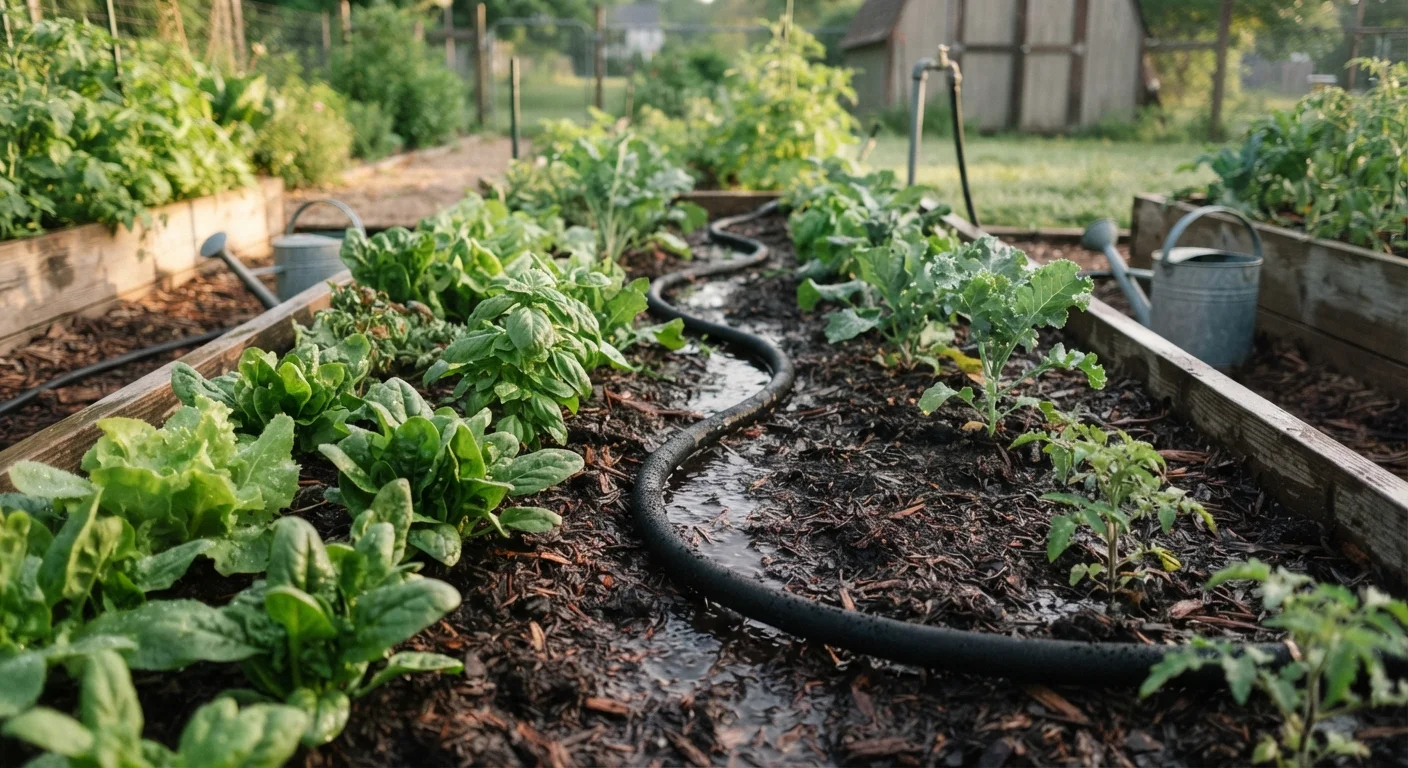
Photo: TotemBuzz.com | Your Lifestyle Companion editorial
Key Takeaways
- Overwatering is the most common beginner mistake and kills more plants than underwatering.
- Water deeply and infrequently to encourage roots to grow downward into the soil.
- Morning is the best time to water — foliage dries quickly, reducing disease risk.
- Stick your finger two inches into the soil to test moisture before watering.
- Soil type and plant species both determine how often and how much water is needed.
Why Watering Is Harder Than It Looks
Most new gardeners assume that watering is the easy part — just add water and plants grow. In reality, getting water right is one of the most nuanced skills in the garden. Too little and plants wilt; too much and roots suffocate in waterlogged soil. According to many cooperative extension services across the US, overwatering is consistently cited as the leading cause of plant loss in home gardens.
The challenge is that the signs of overwatering and underwatering often look identical: yellowing leaves, drooping stems, and stunted growth. This makes it tempting to add more water when the real fix might be the opposite. Understanding a few core principles will help you read your plants more accurately and stop guessing.
Your soil type plays a major role here too. Sandy soils drain fast and may need more frequent watering; heavy clay holds moisture long after rain and can stay waterlogged for days.
The Core Practices That Actually Work
Building a solid watering routine comes down to a handful of repeatable habits. Apply these consistently and you'll avoid most of the common pitfalls beginners encounter.
Water deeply and infrequently rather than a little every day.
Deliver water to the root zone, not the leaves.
Test soil moisture with your finger before every watering session.
Apply a layer of mulch around plants to retain soil moisture.
Adjust your routine when seedlings are young or newly transplanted.
When and How Much: Building Your Rhythm
There is no universal watering schedule that works for every garden — but there are reliable frameworks. Most established vegetable gardens need roughly one inch of water per week, either from rain or irrigation. Newly transplanted seedlings need more frequent attention because their root systems haven't yet spread deep enough to find stored moisture.
~1 inch
Weekly water needed by most vegetable gardens
The University of Missouri Extension recommends approximately one inch of water per week for most vegetable crops, including rainfall.
6–8 inches
Target soil depth for thorough watering
Most vegetable root zones extend six to eight inches deep; watering to this depth encourages strong root development according to cooperative extension guidance.
The single most useful tool you have is your own hand. Push your index finger about two inches into the soil. If it feels dry at that depth, it's time to water. If it still feels moist, wait. This simple test beats any app or fixed schedule because it responds to actual conditions — a cloudy week after heavy rain is very different from a hot, dry stretch in July.
For timing, water in the morning whenever possible. Foliage has time to dry before evening, which significantly reduces the risk of fungal diseases. If you water at midday in summer heat, much of the moisture evaporates before reaching roots. Evening watering leaves foliage wet overnight — a reliable recipe for problems like powdery mildew.
A Simple Way to Measure Rainfall
Keep in mind that seasonal changes affect how much water your garden actually needs. A plant that needed daily watering during a July heatwave may need almost nothing in a cool, wet September.
Quick Wins You Can Apply Today
If your current watering routine isn't working — or you don't really have one yet — start here. These actions take minutes to implement and can make an immediate difference.
For more on how environmental factors interact with your plants, see our guide on how sunlight affects plant health — light and water together shape nearly everything that happens above and below the soil surface. And if you're setting up a new garden from scratch, the first-season planning checklist can help you think through irrigation needs before you plant a single seed.
The content on this site is for informational purposes only and is not a substitute for professional advice. Always consult a qualified professional for guidance specific to your situation.