
Renting and Decorating: What You Can and Cannot Change (And What You Can Do Instead)

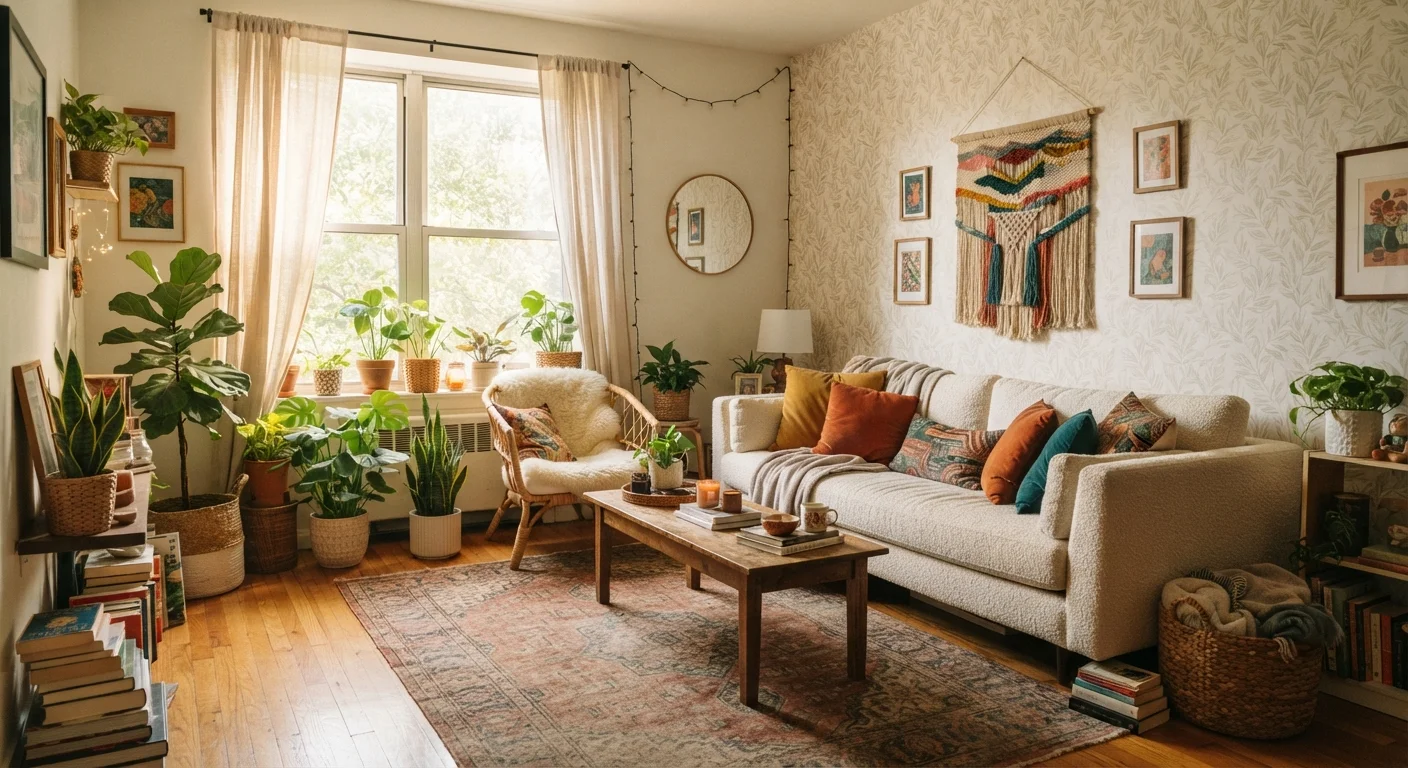
Photo: TotemBuzz.com | Your Lifestyle Companion editorial
Key Takeaways
- Most leases prohibit permanent alterations like painting walls or installing built-ins without landlord approval.
- Removable products — peel-and-stick wallpaper, command strips, and furniture risers — let you personalize without risking your deposit.
- Always read your lease carefully before making any change, even one that seems minor.
- Lighting, textiles, and furniture placement are the most deposit-safe ways to transform any room.
- Written landlord permission can open the door to changes you'd otherwise have to avoid.
Forces creativity within helpful constraints
Working within limits often produces more cohesive, thoughtful spaces than unlimited renovation budgets do. Renters tend to invest in portable, reusable pieces that serve them across multiple moves.
Removable products are widely available and affordable
Peel-and-stick wallpaper, adhesive hooks, and tension rods are sold at most home goods retailers, making renter-friendly decorating accessible at a range of budgets.
No long-term commitment to any single aesthetic
Because most renter-friendly changes are reversible, you can update your space's look as your taste evolves without any lasting consequences.
Low financial risk compared to owned-home renovation
A poorly executed renovation in a home you own can be expensive to fix. In a rental, most mistakes with removable products cost little to correct.
Permanent changes risk losing your security deposit
Unpermitted holes, paint, or hardware changes can result in deductions from your deposit — sometimes exceeding what the decoration was worth.
Removable products have real limitations
Adhesive strips have weight limits, peel-and-stick wallpaper can bubble on textured walls, and not every surface accepts these products cleanly.
Structural or electrical upgrades are off the table
Adding outlets, moving walls, or upgrading plumbing fixtures typically requires permits and licensed professionals — not something a renter can arrange without landlord involvement.
Landlord approval isn't guaranteed
Even reasonable requests can be denied, leaving you with fewer options than a homeowner would have. Some landlords are more restrictive than lease language alone requires.
What Most Leases Actually Prohibit
Before you pick up a paintbrush or a power drill, it pays to understand the standard restrictions baked into most rental agreements. Leases typically prohibit any permanent alterations — changes that modify the structure or finish of the unit in a way the landlord would need to undo or repair after you leave.
Common prohibited changes include:
- Painting walls without written permission
- Installing shelving, hooks, or towel bars that require drilling into drywall
- Replacing cabinet hardware or light fixtures
- Laying new flooring over existing floors
- Removing or altering blinds, window treatments, or doors supplied by the landlord
The consequences of making these changes without permission vary, but many landlords are entitled to deduct repair costs from your security deposit. In some cases, unapproved changes can even trigger a lease violation. If you're unsure what your specific lease says, read through this breakdown of common lease clauses before you make any moves.
Check Your Lease Before Anything Else
The Pros and Cons of Decorating as a Renter
Decorating a rental isn't all bad news — and it isn't all straightforward either. Here's an honest look at both sides.
Forces creativity within helpful constraints
Working within limits often produces more cohesive, thoughtful spaces than unlimited renovation budgets do. Renters tend to invest in portable, reusable pieces that serve them across multiple moves.
Removable products are widely available and affordable
Peel-and-stick wallpaper, adhesive hooks, and tension rods are sold at most home goods retailers, making renter-friendly decorating accessible at a range of budgets.
No long-term commitment to any single aesthetic
Because most renter-friendly changes are reversible, you can update your space's look as your taste evolves without any lasting consequences.
Low financial risk compared to owned-home renovation
A poorly executed renovation in a home you own can be expensive to fix. In a rental, most mistakes with removable products cost little to correct.
Permanent changes risk losing your security deposit
Unpermitted holes, paint, or hardware changes can result in deductions from your deposit — sometimes exceeding what the decoration was worth.
Removable products have real limitations
Adhesive strips have weight limits, peel-and-stick wallpaper can bubble on textured walls, and not every surface accepts these products cleanly.
Structural or electrical upgrades are off the table
Adding outlets, moving walls, or upgrading plumbing fixtures typically requires permits and licensed professionals — not something a renter can arrange without landlord involvement.
Landlord approval isn't guaranteed
Even reasonable requests can be denied, leaving you with fewer options than a homeowner would have. Some landlords are more restrictive than lease language alone requires.
The takeaway: the constraints are real, but they push most renters toward solutions that are actually more flexible and easier to update over time than permanent renovations would be.
What You CAN Do: Renter-Friendly Decoration Strategies
The good news is that a wide range of genuinely effective decorating tools require zero permanent changes. Here are the categories that consistently make the biggest difference:
Removable Wall Treatments
Peel-and-stick wallpaper and wall decals have improved dramatically in quality. They apply cleanly, remove without tearing drywall paint (when applied and removed correctly), and come in thousands of patterns. Command-style adhesive strips rated for the correct weight can also hang framed art, mirrors, and even small floating shelves — though you should check the product's weight limits carefully and follow removal instructions to the letter.
Lighting
Landlord-supplied overhead lighting is almost always flat and uninspiring. Plug-in pendant lights, floor lamps, table lamps, and LED strip lighting (applied without drilling) can completely change the mood of a room. Smart plugs and bulbs add another layer of control without requiring any electrical work.
Textiles and Soft Furnishings
Rugs, curtains, throw pillows, blankets, and bedding do more decorating work per dollar than almost anything else. A large area rug defines a living space and softens hard floors. Curtains hung from tension rods (no drilling required) can frame windows dramatically and add color or pattern.
Furniture and Layout
How you arrange furniture determines how a space feels — open and airy or cozy and intimate. Experiment with pulling furniture away from walls and creating distinct zones. Before shopping for new pieces, use our room-by-room décor checklist to think through scale, flow, and focal points first.
36%
Share of U.S. households that rent
According to U.S. Census Bureau data, more than a third of American households live in rented housing, making renter-friendly design a genuinely mainstream need.
~$200–$400
Typical security deposit deduction for repainting
Property management industry guides commonly cite repainting costs as one of the most frequent deductions from security deposits when renters paint without permission.
Plants
Potted plants add life, color, and texture to any room without touching a single wall. Even renters with limited natural light can find species that thrive indoors.
When to Ask Your Landlord First
Some changes fall into a grey zone — not outright prohibited, but not clearly permitted either. In these cases, asking your landlord in writing is almost always the right move. Many landlords are open to cosmetic changes, especially if you offer to restore the unit to its original state before moving out.
Changes worth requesting permission for include:
- Painting (offer to repaint to the original color before leaving)
- Replacing dated light fixtures (offer to reinstall the originals)
- Adding curtain rods that require bracket screws
- Installing a showerhead or faucet upgrade
Get any agreement in writing — an email thread is usually sufficient and protects both parties. For a broader look at the lifestyle trade-offs involved in renting long-term, see our guide on renting vs. buying.
For ongoing inspiration on styling a rented space without starting from scratch each year, this practical apartment décor guide covers layout, lighting, and low-commitment choices that still feel intentional.
The content on this site is for informational purposes only and is not a substitute for professional advice. Always consult a qualified professional for guidance specific to your situation.