
Renting for the First Time: What Your Lease Agreement Is Actually Saying

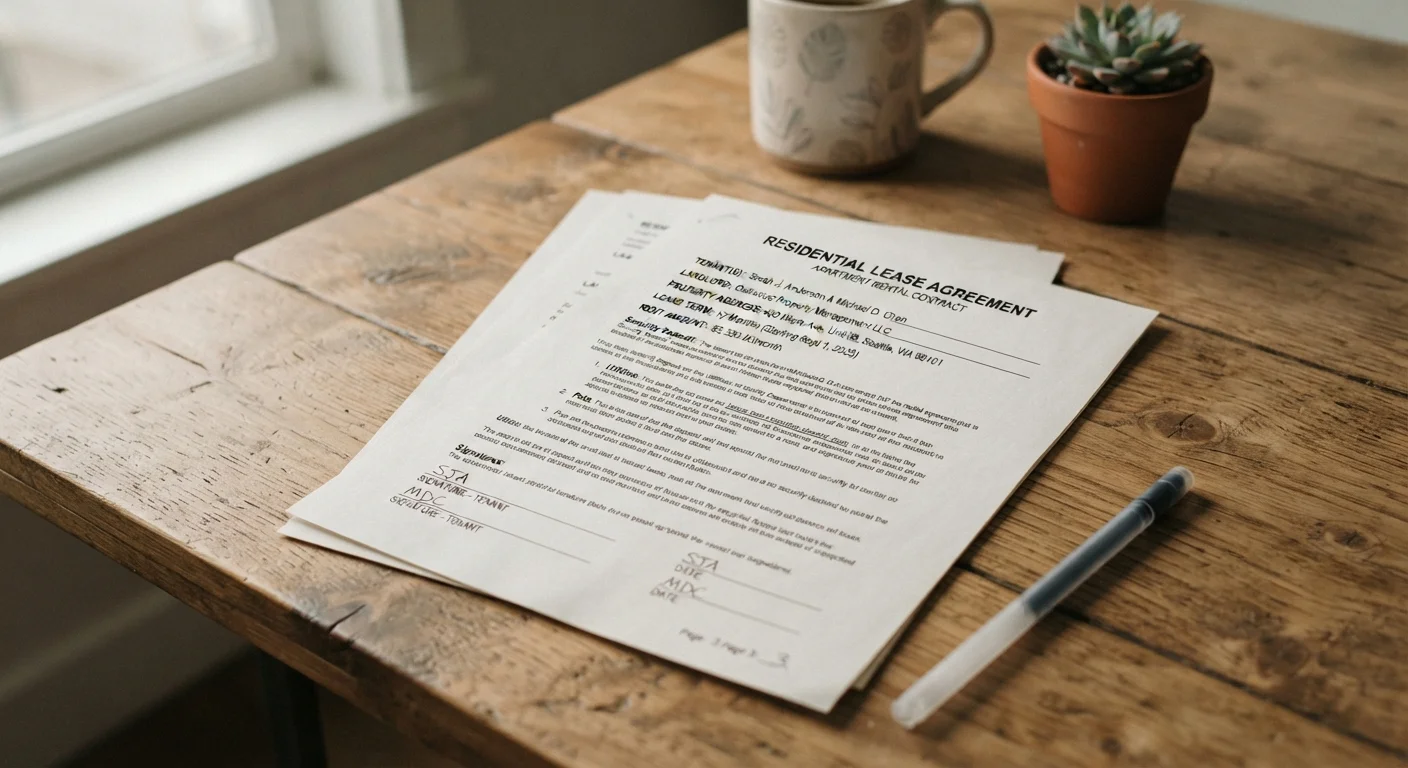
Photo: TotemBuzz.com | Your Lifestyle Companion editorial
Key Takeaways
- A lease is a legally binding contract — every clause can have real financial consequences.
- Security deposit rules, maintenance responsibilities, and renewal terms are the sections that trip up most first-time renters.
- Landlords cannot unilaterally change lease terms mid-tenancy in most US states.
- You have the right to request clarification or negotiate terms before you sign.
- Always get any verbal promises from a landlord in writing as a lease addendum.
Why Lease Language Feels So Confusing
Lease agreements are written to protect landlords — not to be easy to read. They're typically drafted by property management companies or attorneys, which means they're full of legal phrasing that can feel intimidating. But every clause in that document translates into something concrete: money you might owe, rules you have to follow, or rights you can exercise.
If you've ever looked at a contract and felt lost, our guide on reading a contract without a law degree walks through how to approach legal language in plain terms. The same principles apply to a lease.
The good news: most residential leases in the US cover the same core topics, so once you know what to look for, the process gets much less overwhelming.
What you will need
What You'll Need Before You Sit Down With the Lease
Before you work through the steps below, gather your tools and set yourself up for a focused review.
Lease Agreement Document
The primary document you'll be reviewing — the contract that defines your rights and obligations as a tenant.
Local Tenant Rights Organization
Provides free or low-cost guidance on what lease terms are legal and enforceable in your state.
Smartphone or Camera
Used to photograph the rental unit on move-in day to document any pre-existing damage.
Email Account
Creates a written, time-stamped record of all communications with your landlord.
Give yourself a quiet hour with no distractions. Rushing a lease review is one of the most common — and most expensive — mistakes first-time renters make.
How to Read Your Lease, Step by Step
Follow these steps in order the first time you go through a new lease. They're designed to move from broad to specific, so you're building understanding as you go rather than getting lost in details early.
Read the entire lease before you discuss anything
This sounds obvious, but most first-time renters skim. Read the full document top to bottom — even the fine print — before asking questions or signing. Note anything you don't understand by underlining or writing it down separately. The goal of this pass is simply to identify what's in the contract, not to fully understand every clause yet.
Confirm the basic terms are correct
Check that the lease correctly states your name (and any co-tenants), the property address, the monthly rent amount, the lease start and end dates, and the security deposit amount. Errors here — even typos — can create confusion later. If anything is wrong, ask for a corrected version before proceeding.
Understand the security deposit clause
The security deposit clause explains how much you owe upfront (typically one to two months' rent), what conditions allow the landlord to keep part or all of it, and how long the landlord has to return it after you move out. Most states set a legal deadline — often 14 to 30 days. Look for language describing what counts as 'normal wear and tear' (which landlords cannot charge for) versus actual damage.
Identify who is responsible for repairs and maintenance
Most leases specify what the landlord is responsible for fixing (heating, plumbing, structural issues) and what falls to the tenant (light bulbs, minor cosmetic upkeep). Look for language about how to submit a maintenance request and any required notice period before the landlord can enter the unit. In most US states, landlords must provide advance notice — commonly 24 hours — before entering your home.
Review the rules around rent increases and lease renewal
Check whether the lease auto-renews at the end of the term and under what conditions. Some leases convert to month-to-month automatically; others require you to give written notice if you're not renewing. Look for any clause allowing rent increases — and how much notice the landlord must give before raising rent. Some states and cities have rent stabilization laws that limit increases; your local tenant rights office can tell you if they apply to your unit.
Check the early termination and subletting clauses
Life changes. Look for what happens if you need to leave before the lease ends — penalties often range from one to two months' rent, or forfeiture of your deposit. Also check whether subletting (renting your unit to someone else temporarily) is allowed and what approval process is required. Violating either clause without reading it first can be costly.
Ask questions and request changes in writing
Once you've flagged unclear or concerning clauses, bring them to the landlord or property manager. You're allowed to negotiate — not every landlord will agree to changes, but some will. Any agreed changes must be written into the lease itself or a signed addendum document. Never accept a verbal modification as a substitute for a written one.
Verbal Promises Don't Hold Up
What to Do After You've Reviewed the Lease
Once you've worked through every clause and resolved any questions, you're in a much better position to sign with confidence. Keep a copy of the signed lease in a safe place — both digital and physical if possible. All future disputes will reference that document.
Document the Unit Before You Move In
Remember that renting is one option in a broader range of housing decisions. If you're weighing longer-term plans, our article on renting vs. buying can help you think through the financial and lifestyle trade-offs.
A Signed Lease Is a Legal Contract
This article is for general informational purposes only and does not constitute legal advice. Lease laws vary by state and municipality. If you have specific questions about your lease or tenant rights, consult a licensed attorney or contact a local tenant advocacy organization.
The content on this site is for informational purposes only and is not a substitute for professional advice. Always consult a qualified professional for guidance specific to your situation.