
Your First Home Repair Toolkit: What Each Tool Actually Does

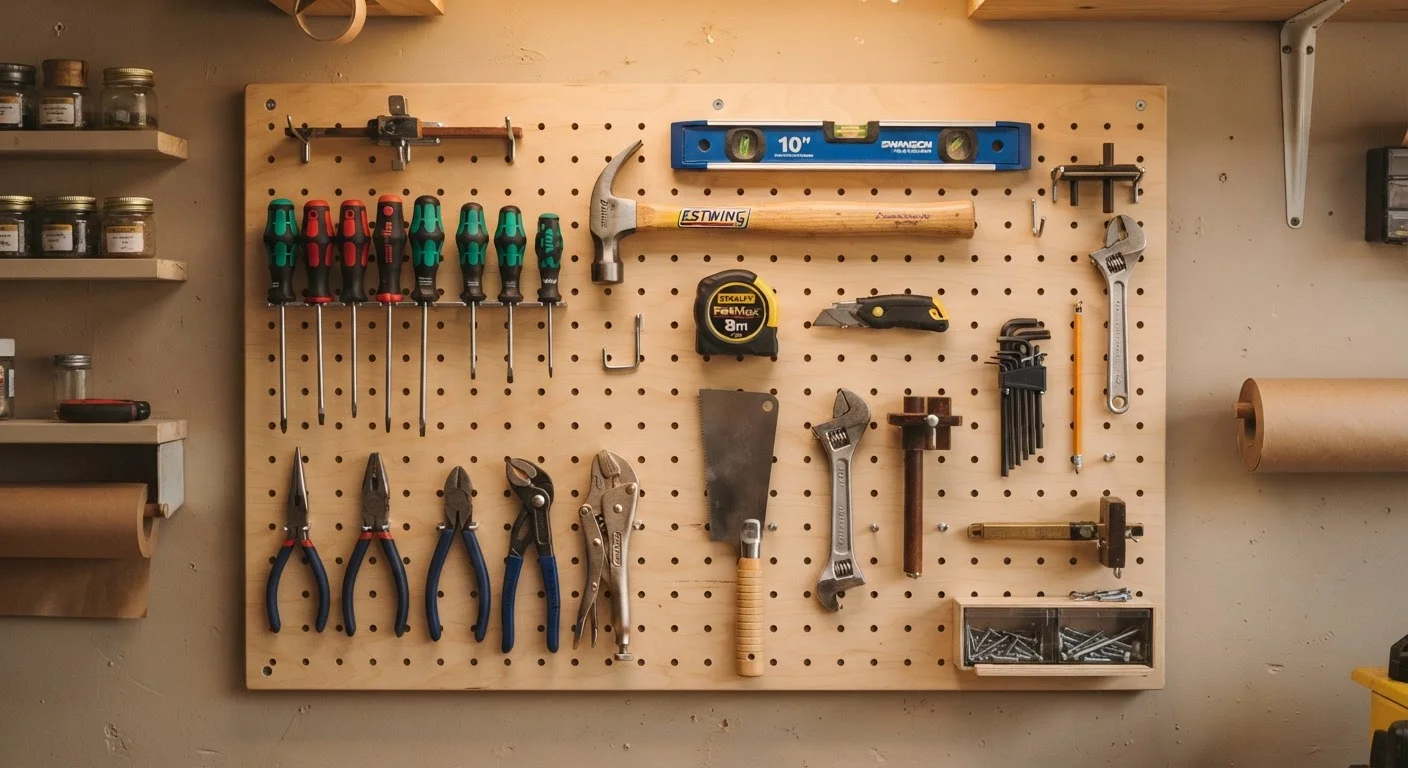
Photo: TotemBuzz.com | Your Lifestyle Companion editorial
Why Every Homeowner Needs a Core Toolkit
Whether you've just moved into your first place or you've owned a home for years without ever owning a wrench, knowing what your tools actually do is the first real step toward confident home maintenance. You don't need dozens of tools — you need the right ones, and you need to understand them. This reference guide breaks down each essential item so you can reach for the correct tool every time, rather than guessing.
For a broader orientation to home upkeep, see the beginner's overview to home improvement — it pairs naturally with what you'll find here.
| Recommended starter hammer weight | 16 oz |
| Most versatile spirit level length | 24 inches |
| Tape measure length for most home tasks | 25 feet |
| Screwdriver types every beginner needs | Flathead and Phillips, in 2–3 sizes each |
| Tasks requiring a licensed professional | Gas, main electrical, load-bearing structure, roofing (General US building code guidance) |
The Essential Tools and What They're Actually For
Hammer (Claw Hammer)
A claw hammer has two ends: a flat face for driving nails and a curved claw for pulling them out. A 16-oz hammer is the standard starting weight — heavy enough to drive nails with fewer swings, light enough to control. Hold the handle near its end, not close to the head, for better force and accuracy.
Flathead and Phillips Screwdrivers
These two types cover the vast majority of screws you'll encounter at home. A flathead has a single horizontal blade tip; a Phillips has a cross-shaped tip that engages four grooves in the screw head, reducing slippage. Owning both in two or three sizes — small, medium, and large — means you're ready for outlet covers, cabinet hardware, furniture assembly, and more.
Tape Measure
A 25-foot locking tape measure handles most household tasks, from measuring curtain rods to sizing furniture for a doorway. The small metal tab at the tip (called a hook) slides slightly on purpose: it compensates for its own thickness so that inside measurements and outside measurements both come out accurate.
Spirit Level
A spirit level — also called a bubble level — uses a liquid-filled vial to tell you whether a surface is perfectly horizontal (level) or vertical (plumb). When the bubble sits exactly between the marked lines, your shelf, frame, or fixture is true. A 24-inch level is the most versatile starting size.
Adjustable Wrench
An adjustable wrench (sometimes called a Crescent wrench, after a popular brand) grips nuts and bolts of various sizes by turning a worm-gear mechanism to widen or narrow the jaw. It's essential for plumbing tasks like tightening supply lines under a sink. Always turn the wrench so the force bears against the fixed (lower) jaw, not the adjustable one — this prevents the jaw from slipping and rounding off fasteners.
Needle-Nose Pliers
Thin, tapered jaws let you reach into tight spaces, bend wire, or grip small components that fingers can't manage. Useful for electrical work (always turn off power at the breaker first — see what every homeowner should know about circuit breakers), plumbing fixtures, and retrieving small dropped parts.
Utility Knife
A retractable utility knife with replaceable blades scores drywall, cuts rope, opens packaging, and trims caulk. Keep a few spare blades on hand — a dull blade is genuinely more dangerous than a sharp one because it requires more force and is more likely to slip.
Stud Finder
Walls contain hollow cavities between vertical wooden or metal studs. A stud finder detects where those studs are so you can drive screws or anchors into solid material rather than empty drywall. This matters most when hanging heavy items such as mirrors, shelving, or mounted televisions. If you're unsure which wall fasteners suit your surface, our guide to anchors and fixings explains the options clearly.
Plumb
Perfectly vertical — at a true 90-degree angle to the ground. A wall stud, door frame, or fence post that is 'plumb' stands straight up without leaning in any direction.
Level
Perfectly horizontal — parallel to the ground. A shelf or countertop that is 'level' doesn't tilt left or right.
Stud
A vertical framing member (usually wood or metal) inside a wall that provides structural support. Screws driven into studs hold far more weight than those driven into drywall alone.
Claw
The forked, curved end of a hammer head. It is designed to slide under a nail head and lever the nail out of wood cleanly.
Worm gear
A small rotating screw mechanism inside an adjustable wrench that moves the sliding jaw in or out. Turning it tightens or loosens the wrench's grip on a fastener.
Hook (tape measure)
The metal tab at the end of a tape measure that catches onto an edge. It slides a tiny amount deliberately so that both internal and external measurements remain accurate.
Building Smart Habits Around Your Tools
Knowing what a tool does is only half the equation — how you store and maintain them matters too. Keep tools dry and off the floor to prevent rust. Wipe metal surfaces occasionally with a lightly oiled cloth. Store sharp tools (utility knives, chisels) with blade guards or in a separate pouch.
When a repair feels beyond your current toolkit or skill level, that's not a failure — it's useful self-knowledge. The DIY vs. hiring a tradesperson framework can help you decide when to call a licensed professional. Tasks involving gas lines, main electrical panels, load-bearing structures, or roofing almost always require a qualified tradesperson and, in most areas, a permit. Never attempt high-risk work based solely on online guides.
Once you have the basics covered, keep an eye on routine upkeep throughout the year — seasonal home maintenance tasks are where most first-timers fall behind. A good toolkit only helps when you're actually using it regularly.
The content on this site is for informational purposes only and is not a substitute for professional advice. Always consult a qualified professional for guidance specific to your situation.