
What Every Homeowner Should Know About Circuit Breakers and Fuse Boxes

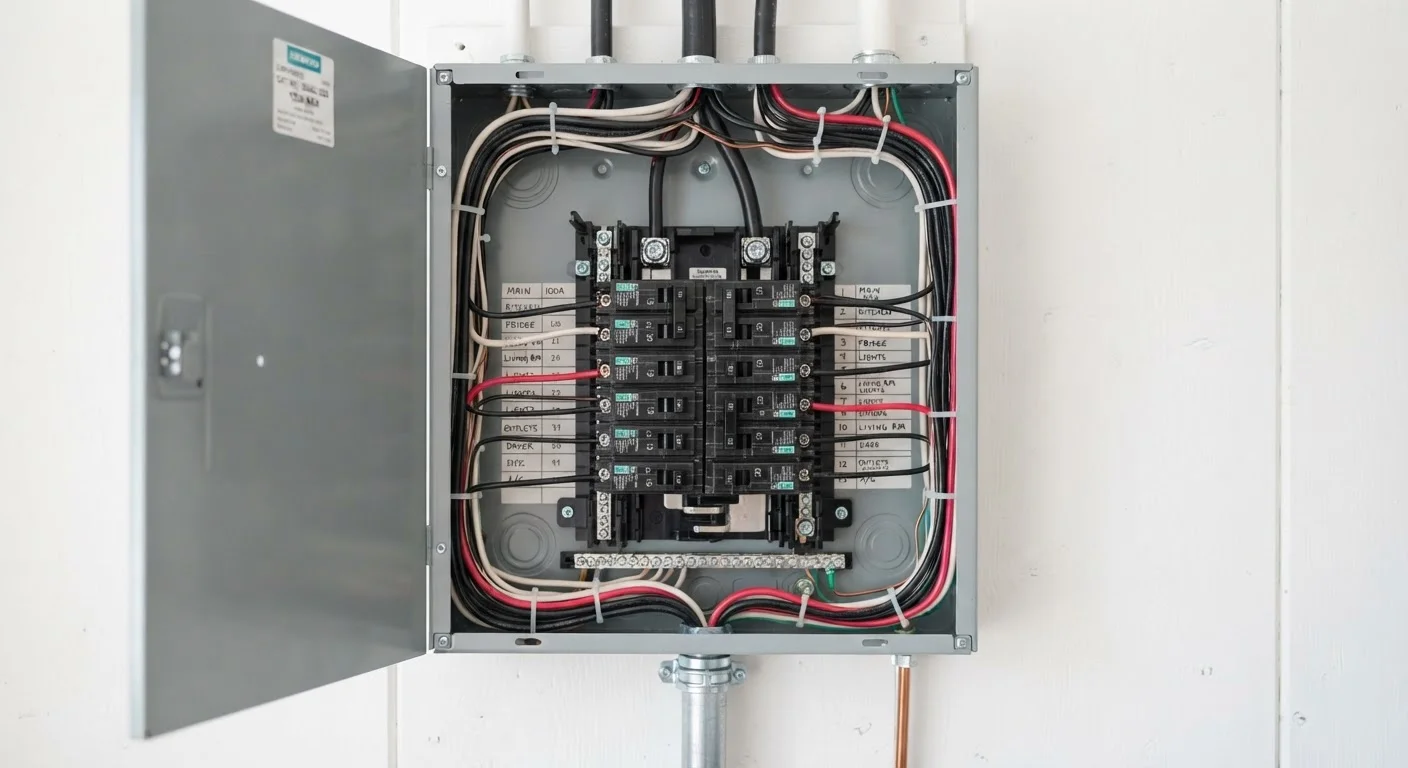
Photo: TotemBuzz.com | Your Lifestyle Companion editorial
Key Takeaways
- Your electrical panel controls and protects every circuit in your home.
- A tripped breaker can often be reset yourself — but only following the correct steps.
- Fuse boxes require replacement fuses, not just a flip of a switch.
- Frequent tripping or burning smells are signs you need a licensed electrician.
- Permit-required electrical work should always be handled by a qualified professional.
What Your Electrical Panel Actually Does
Think of your electrical panel as the brain of your home's power system. Utility power enters your home at a single point, passes through a main breaker — which controls all electricity in the house — and then splits into individual branch circuits. Each circuit serves a specific area or appliance, such as the kitchen, bedrooms, or your HVAC system.
Every branch circuit has its own breaker (or fuse, in older homes). When a circuit draws more electricity than it was designed to handle, the breaker trips to cut power and prevent overheating or fire. This safety mechanism is exactly what it's supposed to do — it's the system working as intended.
If you're new to home ownership and want a broader foundation for tackling these basics, see our beginner's home improvement overview for essential skills and safety context.
~51,000
Home electrical fires per year in the US
According to the U.S. Fire Administration, electrical fires account for roughly 51,000 home fires annually, many linked to wiring and electrical equipment failures.
40+ years
Typical lifespan of a circuit breaker panel
Many electrical panels are designed to last 25–40 years, meaning homes built before 1985 may be overdue for professional evaluation.
15–20 amps
Standard household circuit rating
Most general-purpose household circuits are rated at 15 or 20 amps; kitchen and laundry circuits often require 20-amp dedicated lines.
How to Safely Reset a Tripped Circuit Breaker
Resetting a tripped breaker is one of the few electrical tasks most homeowners can handle confidently — if done correctly. Follow these steps:
- Identify the tripped breaker. Open your panel door and look for the switch in the middle position or displaying a red indicator. Many panels have a directory on the inside door labeling which breaker controls which area.
- Reduce the load first. Before resetting, unplug or turn off devices on that circuit. Overloaded circuits are the most common cause of tripping.
- Reset the breaker. Push it firmly to the full off position, then flip it back to on. You should hear a click.
- If it trips again immediately, stop. Do not keep resetting it. A breaker that won't stay on signals a fault that needs professional diagnosis.
Label Your Panel Now — Not Later
Never work inside the panel itself — even with the main breaker off, the lines entering from the utility remain energized and are extremely dangerous.
Fuse Boxes: What Older Homes Still Use
If your home was built before the 1960s, you may have a fuse box rather than a breaker panel. Instead of resettable switches, fuse boxes use glass or ceramic fuses that contain a thin metal filament. When a circuit overloads, the filament melts and breaks the circuit — protecting your wiring, but requiring the fuse to be replaced entirely.
To replace a blown fuse, power must be off and you must match the amperage rating exactly. Using a fuse with a higher amperage than specified is dangerous and can cause wiring to overheat. Look for discoloration or a broken filament inside the glass to identify the blown fuse.
Fuse Box Upgrades and Insurance
Many home insurance companies and local codes encourage or require upgrading older fuse boxes to modern breaker panels. Consult a licensed electrician to understand your options and any local requirements, and check with your insurer about how your panel type may affect your policy.
Warning Signs That Require a Licensed Electrician
There's a clear line between routine maintenance and situations that require a professional. Contact a licensed electrician if you notice any of the following:
- A breaker trips repeatedly on the same circuit, even after reducing the load
- A burning or melting smell near the panel
- The panel or surrounding wall feels warm or hot to the touch
- Visible scorch marks, corrosion, or rust inside the panel
- Flickering lights throughout the house, not just one room
- Your panel is labeled as a recalled brand or model (an electrician can advise on this)
Electrical work inside a panel — adding circuits, replacing breakers, upgrading service capacity — requires permits and inspection in most US municipalities. Attempting this work without proper licensing can void your homeowner's insurance and create serious safety hazards. This is firmly outside DIY territory.
For a broader sense of how home-related decisions can carry legal and financial consequences, this overview of everyday legal situations is a helpful read for new homeowners.
Having the right tools on hand for general home maintenance makes it easier to handle tasks like labeling your panel or checking connections. Our guide to essential home repair tools explains what belongs in every homeowner's kit.
This article is for general informational purposes only and does not constitute electrical, safety, or legal advice. Always consult a licensed electrician for work inside your electrical panel and verify local permit requirements before beginning any electrical project.
Frequently Asked Questions
The content on this site is for informational purposes only and is not a substitute for professional advice. Always consult a qualified professional for guidance specific to your situation.