
Home Improvement from the Ground Up: A Complete Beginner's Overview

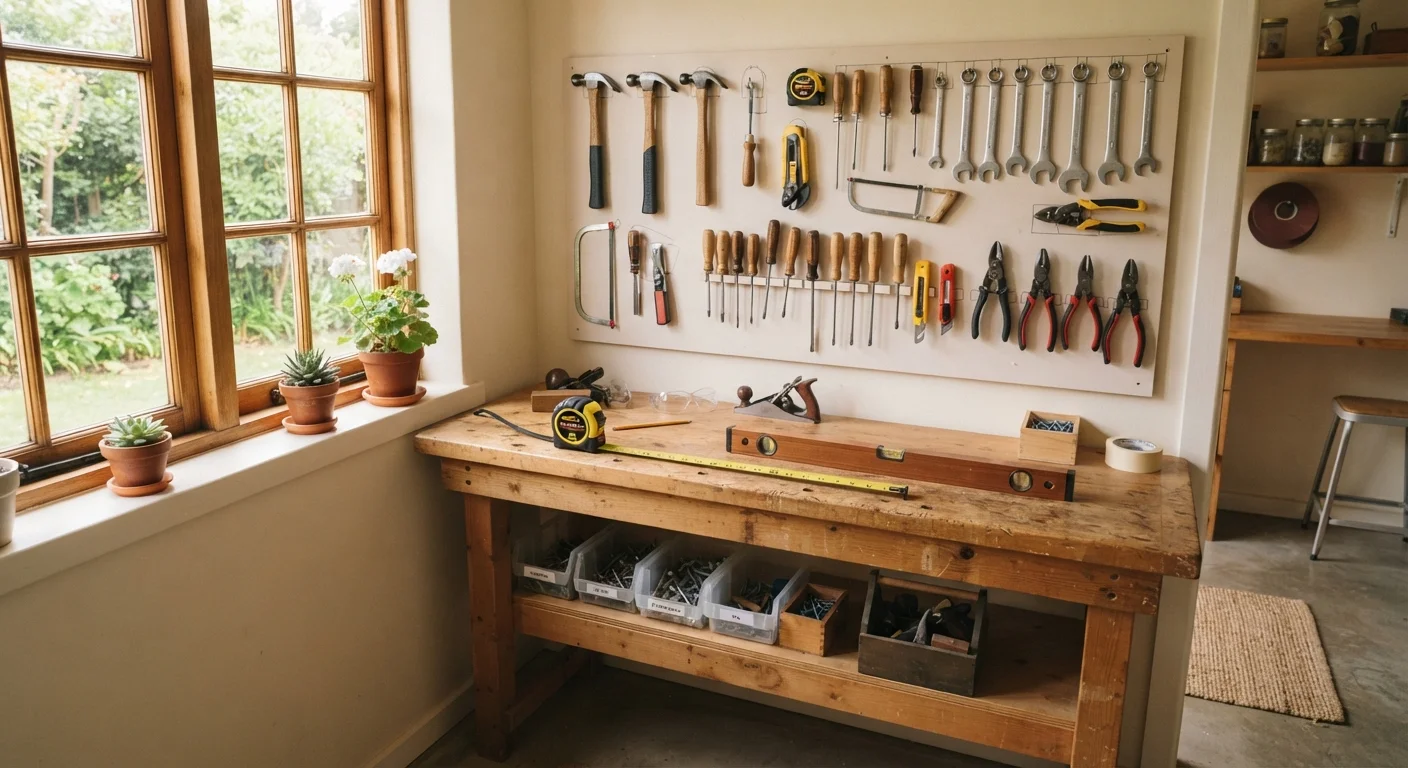
Photo: TotemBuzz.com | Your Lifestyle Companion editorial
Key Takeaways
- Understanding basic home repair skills saves money and helps you communicate better with contractors.
- Safety knowledge — including how to shut off utilities — should come before any hands-on work.
- Most beginners can confidently handle patching, caulking, and minor fixture repairs without professional help.
- Electrical, gas, structural, and plumbing work tied to main lines typically require licensed professionals and permits.
- Building a modest, well-chosen toolkit is more valuable than owning every gadget available.
Why Every Homeowner Should Know the Basics
Owning a home comes with a learning curve that no one fully warns you about. A dripping faucet, a drafty window seal, or a patch of damaged drywall can feel overwhelming when you've never faced them before. The good news is that most routine home maintenance and minor repairs follow logical patterns — and once you understand the fundamentals, the second job is always easier than the first.
Learning the basics also makes you a smarter consumer. When you understand what a task involves, you can evaluate contractor quotes more confidently, avoid unnecessary upsells, and prioritize which problems genuinely need urgent attention. Even if you plan to hire out most work, a foundation in home improvement literacy pays off consistently.
This guide is designed to give you that foundation — covering safety, core skills, approachable first projects, and a clear-eyed sense of when to call in a licensed professional instead.
Load-bearing wall
A wall that supports the weight of the structure above it. Removing or modifying one without engineering guidance can compromise a building's structural integrity.
Circuit breaker
A safety switch in your electrical panel that automatically cuts power to a circuit when it detects an overload. You can also flip it manually to shut off power before doing electrical work.
Caulk
A flexible sealant applied around joints, gaps, and edges — such as where a tub meets the wall — to prevent water and air from penetrating.
Permit
Official approval from a local government authority required before certain home improvement projects begin. Permits ensure work is inspected and meets building code standards.
Stud
A vertical framing member (usually wood) inside your walls that provides structural support. Fasteners anchored into studs hold far more weight than those driven into drywall alone.
PPE (Personal Protective Equipment)
Gear worn to protect your body during work — including safety glasses, gloves, dust masks, and hearing protection — matched to the specific hazards of a task.
Safety First: Rules That Protect You and Your Home
Before picking up a single tool, every beginner should learn how to shut off the three main utilities in their home: electricity (the main breaker panel), water (the main shut-off valve, typically near the water meter), and gas (the main valve at the meter, turned off with an adjustable wrench). Knowing these locations — and practicing finding them — takes five minutes and can prevent serious injury or property damage.
A few additional rules apply to nearly every project:
- Never assume a circuit is off — always test with a non-contact voltage tester before touching wires.
- Wear appropriate PPE — safety glasses for drilling or cutting, gloves when handling sharp materials, and a dust mask when sanding.
- Read product instructions fully before opening any adhesive, sealant, or chemical product. Ventilation requirements matter.
- Check for hidden utilities before drilling or cutting into walls, floors, or ceilings — use a stud finder with AC detection to locate wires and pipes.
Never Work on Live Electrical Circuits
Keeping a small first aid kit and a fire extinguisher rated for multiple fire classes (look for ABC-rated) accessible in your work area is a habit worth forming from day one.
Core Skills Worth Learning Early
A handful of skills form the backbone of most DIY home improvement. Invest time in these and you'll find they apply across dozens of different projects:
- Measuring and marking accurately
- The classic rule — measure twice, cut once — exists for good reason. Learn to use a tape measure, a combination square, and a level before anything else.
- Driving fasteners correctly
- Knowing the difference between drywall anchors, wood screws, and masonry fasteners — and when to use each — prevents a lot of pull-out failures and wall damage.
- Caulking and sealing
- A steady, consistent bead of caulk around tubs, windows, and exterior penetrations protects against water damage. It's one of the highest-return skills a beginner can develop quickly.
- Patching and painting
- Small drywall patches, spackle touch-ups, and clean brush technique are achievable for beginners and dramatically improve the look of any room.
Our guide to home repair tools walks through the specific instruments behind each of these skills so you can shop and work with confidence. And before you start a project, it's worth reading about common DIY myths that trip up first-timers.
Practice on Scrap Before Your Wall
Your First Projects: Low-Risk, High-Reward
The best way to build confidence is to complete something successfully. These starter projects are forgiving, require minimal tools, and deliver visible results:
- Replace a worn faucet washer or aerator — cures most minor dripping faucets and costs very little.
- Recaulk a tub or shower surround — prevents water infiltration and takes less than an hour with the right prep.
- Patch a small drywall hole — a patch kit from any hardware store handles holes up to about four inches; a mesh patch and joint compound handles slightly larger gaps.
- Swap a light switch or outlet cover plate — with the breaker confirmed off, this is typically two screws and five minutes.
- Weatherstrip a drafty door — self-adhesive foam or V-strip weatherstripping reduces drafts and energy loss noticeably.
Pair home improvement with a regular maintenance schedule — many small problems become major ones when overlooked. See our seasonal maintenance guide for a practical breakdown of what to check throughout the year.
Knowing When to Call a Professional
Equally important to knowing what you can do is recognizing what you shouldn't attempt. In the US, certain categories of work are regulated, permitted, and sometimes legally required to be performed by licensed tradespeople — and for good reason.
Defer to a licensed professional for:
- Electrical panel work — breaker replacement, new circuits, or service upgrades
- Gas lines and appliances — connections, reroutes, or leak repairs
- Structural modifications — removing or altering load-bearing walls or beams
- Main plumbing connections — tying into municipal supply or sewer lines
- Roofing repairs beyond minor shingle replacements, especially near flashing or valleys
Our framework for deciding between DIY and hiring out gives you a practical way to weigh cost, safety, and skill level for any specific job. When in doubt, a consultation with a licensed contractor is almost always worthwhile — many offer free or low-cost estimates.
Permit Requirements Vary by Location
This article provides general home improvement information for educational purposes only. Always verify local permit requirements, building codes, and safety regulations with your local authority having jurisdiction before beginning any home project.
Frequently Asked Questions
The content on this site is for informational purposes only and is not a substitute for professional advice. Always consult a qualified professional for guidance specific to your situation.