
Travel Basics

The Pre-Trip Preparation Checklist Every New Traveller Should Work Through

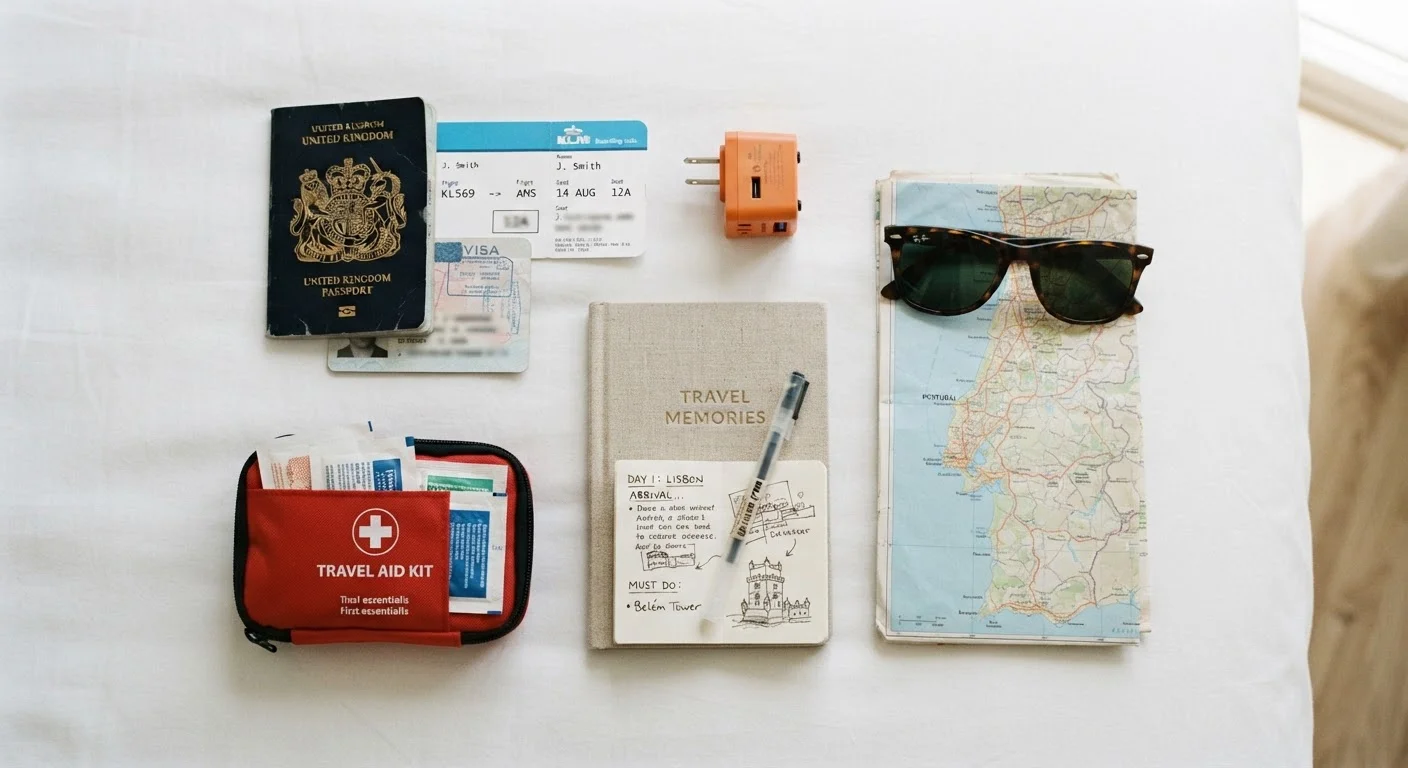
The Pre-Trip Preparation Checklist Every New Traveller Should Work Through

Photo: TotemBuzz.com | Your Lifestyle Companion editorial

From documents to medications, use this thorough pre-departure checklist to make sure nothing critical slips through the cracks before you leave.

Key Takeaways

  • Start your pre-trip preparation at least four to six weeks before departure for international travel.
  • Valid travel documents and entry requirements should be the very first thing you confirm.
  • Health preparation — including vaccinations and prescriptions — may require weeks of lead time.
  • Notifying your bank and sorting travel money early prevents avoidable problems abroad.
  • A packed bag checklist reduces overpacking and ensures nothing essential is forgotten.

Why a Pre-Trip Checklist Matters More Than You Think

First-time travellers often discover the gaps in their preparation only after they've left home — a passport expiring in less than six months, a forgotten power adapter, or a credit card declined abroad because the bank wasn't notified. A structured checklist removes guesswork and gives you a repeatable system you can rely on for every future trip.

This checklist is organised by category so you can work through it in stages rather than all at once. Some items — particularly those related to health and documents — need attention weeks in advance. Others, like packing, can wait until a few days before departure.

If you're heading abroad by car at any point during your journey, it's also worth reviewing a quick vehicle safety check before setting off.

Required

Passport & Visa

Required for crossing international borders; verify validity and entry requirements early.

Required

Travel Insurance Policy

Provides coverage for trip cancellations, medical emergencies, and lost luggage — review what your policy includes.

Required

Power Adapter

Lets you charge devices in countries with different outlet types or voltage standards.

Optional

Offline Maps App

Enables navigation without mobile data or Wi-Fi at your destination.

Required

Travel First Aid Kit

Covers minor injuries and common illness symptoms when pharmacies aren't nearby.

Optional

Portable Battery Pack

Keeps your phone and other devices charged during long travel days or transit.

How to Use This Checklist

Work through each group in order, starting with the Documents & Entry Requirements section as early as possible. Mark items complete as you go — a printed copy or a notes app both work well. Items marked must are non-negotiable; skipping them can prevent you from travelling or create serious problems at your destination.

For international trips especially, the health preparation section deserves early attention. Vaccinations sometimes require multiple doses spread over weeks, and prescription medications may need advance planning with your doctor. Our companion guide on health precautions before international travel covers this area in more depth.

Health Prep Can't Be Left to the Last Minute

Some travel vaccinations require multiple doses administered weeks apart, and certain destinations have specific entry health requirements (such as proof of yellow fever vaccination). Leaving this until the week before departure may mean you travel without adequate protection or are denied entry entirely. Book a travel health consultation as soon as your destination is confirmed.

When it comes to money and cards, understanding how foreign currency, ATMs, and travel cards generally work before you leave can save you real money. See our overview of currency, cards, and cash abroad for a plain-language breakdown.

Documents & Entry Requirements

Check that your passport is valid for at least six months beyond your return date, as many countries require this minimum validity. Must
Research visa requirements for your destination and apply well in advance — processing times vary widely by country and applicant nationality. Must
Make two photocopies of your passport, visa, and travel insurance documents: leave one set at home with a trusted contact and carry the other separately from the originals. Should
Check official government travel advisories (such as travel.state.gov for US citizens) for your destination before finalising plans. Must

Health & Medical Preparation

Schedule a pre-travel appointment with your doctor or a travel medicine clinic at least four to six weeks before departure to discuss vaccinations and health risks. Must
Obtain a sufficient supply of any prescription medications for the full trip duration, plus a few extra days as a buffer. Must
Carry a brief written summary of any medical conditions, allergies, and current medications in case of emergency. Should
Pack a basic travel first aid kit including adhesive bandages, pain reliever, antidiarrheal tablets, antiseptic wipes, and any personal medical items. Should

Money & Finances

Notify your bank and credit card providers of your travel dates and destinations to avoid cards being frozen for suspected fraud. Must
Confirm your card's foreign transaction fees and identify whether a fee-free alternative is available to you. Should
Carry a small amount of local currency for your destination for immediate expenses like transport or tips on arrival. Should
Keep emergency cash in a separate location from your main wallet — a hidden travel pouch or a different bag compartment works well. Nice to have

Bookings & Logistics

Confirm all flight, hotel, and transfer bookings and save or print confirmation numbers in a place accessible without internet. Must
Check baggage allowances for each flight segment, including carry-on size limits, to avoid unexpected fees at the airport. Should
Research ground transportation options from your arrival airport to your accommodation before you land. Should
Download offline maps or a navigation app for your destination so you can navigate without relying on mobile data. Nice to have

Packing Essentials

Pack clothing suited to the destination's climate and planned activities, erring toward versatile layers rather than single-use outfits. Must
Include the correct power adapter for your destination's outlet type and voltage standard. Must
Keep all liquids in containers of 3.4 oz (100 ml) or less and place them in a clear, resealable quart-sized bag for carry-on screening. Must
Pack a reusable water bottle, especially for destinations where tap water is safe to drink, to reduce plastic waste and save money. Nice to have

Before You Leave Home

Arrange for mail, packages, or pet care to be handled while you're away, and let a trusted contact know your itinerary. Should
Secure your home — lock all windows and doors, set timers on lights if leaving for an extended period, and pause any deliveries. Should
Charge all devices fully and pack charging cables, portable battery packs, and any travel-specific tech you'll need. Should
Do a final walkthrough of your home before leaving — check appliances, taps, and locks to make sure everything is off and secured. Must

Packing Without Overdoing It

Overpacking is one of the most common beginner mistakes, and it costs you more than just extra baggage fees — it slows you down and adds stress. Before you zip up your bag, cross-reference your packing list against your itinerary. If you won't need an item in the first five days, question whether you need it at all. Why first-time travellers overpack — and what to do instead is a useful read if you find your suitcase consistently too heavy.

Airline Baggage Rules Change Frequently

Weight limits, carry-on dimensions, and fees can differ significantly between airlines and even between fare classes on the same airline. Always check the specific baggage policy for each leg of your journey directly on the airline's website before you pack. Assuming the same rules apply everywhere is one of the most common — and expensive — mistakes new travellers make.

A checklist habit isn't only useful for travel. The same principle of structured preparation applies across major life events — whether you're preparing to make an offer on a home or getting ready for a new school year. Building the habit now pays dividends well beyond any single trip.

This article is for general informational purposes only. Health-related travel preparations — including vaccinations, medications, and fitness to travel — should be discussed with a qualified healthcare professional. Entry requirements and travel advisories change frequently; always verify current rules through official government sources before you travel.

Travel & Auto Editorial Team

TotemBuzz.com | Your Lifestyle Companion

Travel & Auto Editorial Team is the collective byline for our editorial team and contributor network. Articles published under this byline or an editorial pen name are researched, written, and reviewed according to our editorial standards for clarity, consistency, and independence before publication.

Travel BasicsAuto Essentials
View author profile

The content on this site is for informational purposes only and is not a substitute for professional advice. Always consult a qualified professional for guidance specific to your situation.