
Auto Essentials

Before You Drive Away: A Pre-Journey Safety Check You Can Do in Five Minutes

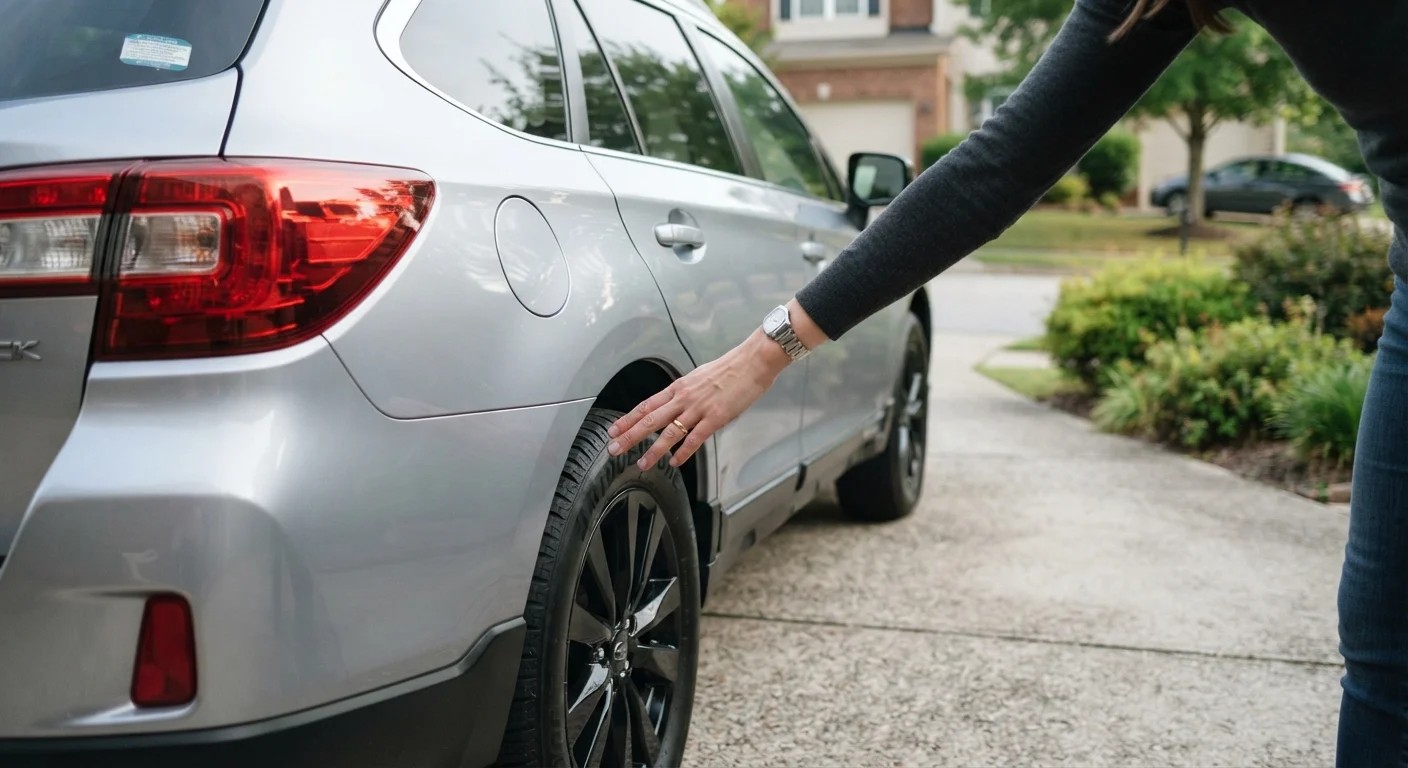
Before You Drive Away: A Pre-Journey Safety Check You Can Do in Five Minutes

Photo: TotemBuzz.com | Your Lifestyle Companion editorial

A quick, practical checklist covering tyres, fluid levels, lights, and visibility — the essentials to confirm before any trip.

Key Takeaways

  • Most pre-drive safety checks take under five minutes and require no tools.
  • Tyres, lights, fluid levels, and mirrors are the four areas to cover every time.
  • Dashboard warning lights should be understood before you start driving, not ignored.
  • Building a consistent pre-drive habit reduces the risk of breakdowns and accidents.
  • New drivers benefit most from running this check until it becomes second nature.

Why a Pre-Drive Check Matters

Most vehicle problems don't appear out of nowhere — they show early signs that a quick walkaround can catch. For new drivers and first-time car owners especially, developing a short pre-journey routine is one of the simplest ways to stay safer on the road and avoid unexpected breakdowns.

This checklist is designed to be fast and practical. You don't need mechanical experience or any special tools. Think of it as the same logic you apply when checking your bag before leaving the house — a brief scan now saves real trouble later.

If you're still getting comfortable with the basics of car ownership, our guide for first-time car owners covers the broader picture of what to expect in your first year on the road.

Tyres

Walk around the car and visually inspect all four tyres for obvious damage, bulges, or objects embedded in the rubber. Must
Check that tyres appear properly inflated — a visibly flat or low tyre should be addressed before driving. Must
Glance at tread depth; the tread should be clearly visible and not worn smooth across the surface. Must
Use a tyre pressure gauge periodically (at least once a month) to confirm each tyre matches your vehicle's recommended PSI, found on the sticker inside the driver's door jamb. Should

Lights

Switch on your headlights and walk around the car to confirm both front and rear lights are working. Must
Test your brake lights by reversing near a wall or asking someone to watch while you press the pedal. Should
Check that turn signals (indicators) flash correctly on both sides, front and rear. Should

Fluid Levels

Check the engine oil level using the dipstick — pull it out, wipe it clean, reinsert fully, then withdraw and read the level. It should fall between the two marks. Must
Confirm the windshield washer fluid reservoir is not empty — you'll need it for safe visibility in poor conditions. Must
Glance at the coolant reservoir (the translucent plastic tank near the radiator) and confirm the fluid sits between the min and max lines. Should
Check brake fluid and power steering fluid levels if your vehicle makes these easily visible — consult your owner's manual for locations. Nice to have

Visibility and Controls

Adjust your mirrors before moving — driver's side, passenger's side, and the rearview mirror should all give you a clear sightline. Must
Clear any snow, ice, or debris from all windows, lights, and the roof before driving. Must
Test your windshield wipers with a quick spray to confirm they're clearing the glass cleanly. Should
Confirm your seat position allows you to reach pedals comfortably and see clearly over the steering wheel. Must

Dashboard and Starting Check

Start the engine and note any warning lights that stay illuminated after a few seconds — investigate any that remain on before driving. Must
Check your fuel gauge and confirm you have enough for your planned journey, with a reasonable buffer. Must
Listen briefly for any unusual sounds (rattles, grinding, or squealing) when the engine first starts. Should

What You'll Need

This check is designed to be done without any equipment, but a few simple items help with some steps — especially fluid top-ups or tyre checks.

Required

Tyre Pressure Gauge

Measures tyre pressure in PSI so you can compare against the recommended level on your door jamb sticker.

Required

Engine Oil Dipstick

Built into your engine; used to check current oil level. Your owner's manual shows you where to find it.

Required

Clean Rag or Paper Towel

Needed to wipe the dipstick clean before taking an accurate oil level reading.

Required

Vehicle Owner's Manual

Identifies the location of all fluid reservoirs and explains your car's specific warning lights.

Optional

Windshield Washer Fluid (spare bottle)

Allows you to top off the washer reservoir if it's running low before a trip.

Digging Deeper: Tyres and Dashboard Lights

Two areas on this checklist deserve extra attention for beginner drivers: tyres and dashboard warning lights.

Tyres are your car's only contact with the road, and problems with pressure or tread depth affect braking, handling, and fuel efficiency. If you want to go beyond the quick visual check, our article on tyre pressure, tread depth, and rotation walks through how to measure and maintain them properly.

Dashboard warning lights are something many new drivers feel unsure about. If a light is on when you start the engine and doesn't turn off after a few seconds, it's telling you something needs attention. Before you drive, take a moment to identify any active lights. Our plain-language guide to dashboard warning lights explains what the most common symbols mean and which ones are urgent.

Never Ignore a Red Warning Light

A red dashboard light is your car's most urgent alert — it typically signals something that could lead to engine damage or a safety risk if ignored. If a red light appears and stays on after starting the engine, pull over safely when possible and consult your owner's manual or a qualified mechanic before continuing to drive.

If you're planning a longer road trip rather than a daily commute, you'll want a more thorough preparation process. See the pre-trip preparation checklist every new traveller should work through for a comprehensive departure checklist covering everything from documents to safety kit.

When in Doubt, Don't Drive

If your pre-drive check reveals something you're unsure about — an unusual noise, a warning light you don't recognise, or a tyre that looks wrong — it's always safer to pause and get a professional opinion before driving. A qualified mechanic can diagnose issues quickly and help you understand whether it's safe to proceed. No trip is worth the risk of driving a vehicle in an unknown condition.

Travel & Auto Editorial Team

TotemBuzz.com | Your Lifestyle Companion

Travel & Auto Editorial Team is the collective byline for our editorial team and contributor network. Articles published under this byline or an editorial pen name are researched, written, and reviewed according to our editorial standards for clarity, consistency, and independence before publication.

Travel BasicsAuto Essentials
View author profile

The content on this site is for informational purposes only and is not a substitute for professional advice. Always consult a qualified professional for guidance specific to your situation.