
Tyre Pressure, Tread Depth, and Rotation: The Basics New Drivers Often Miss

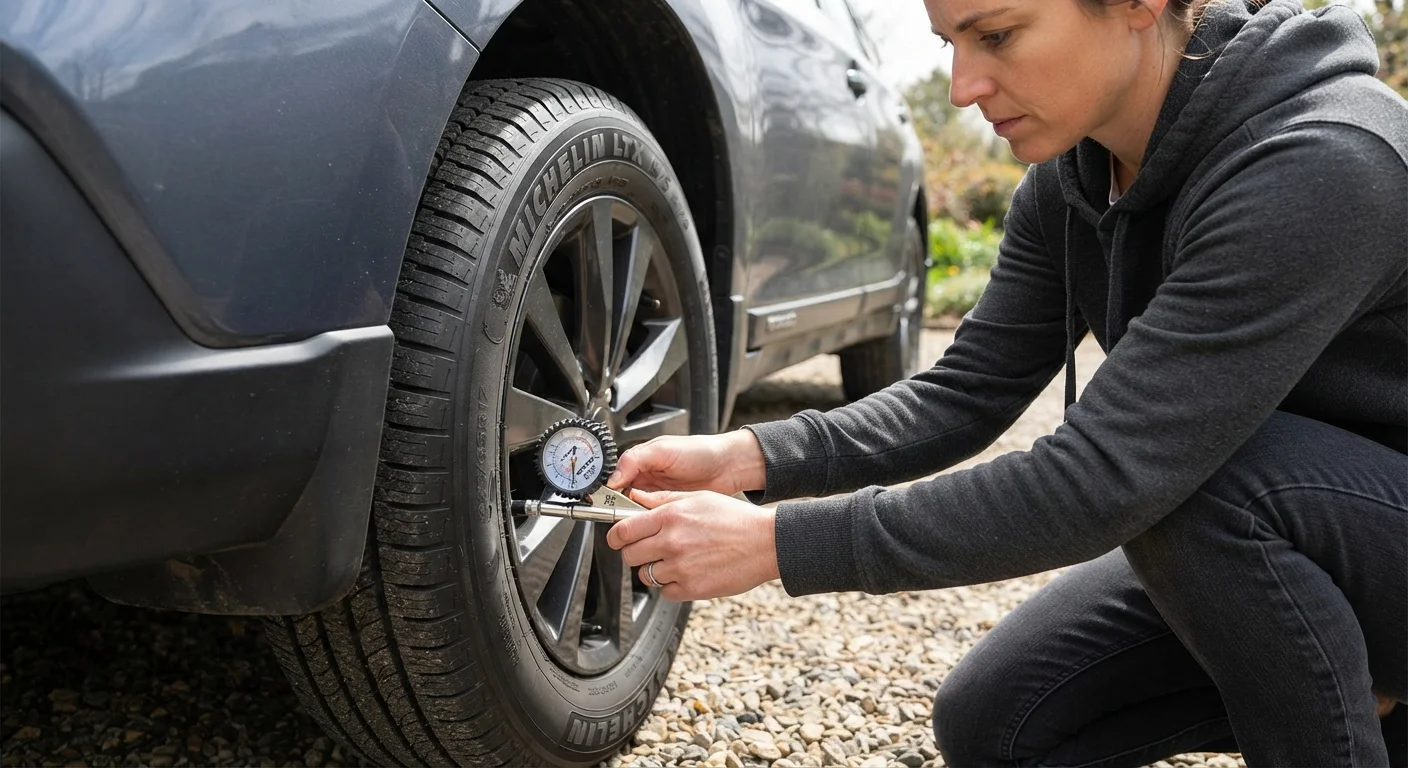
Photo: TotemBuzz.com | Your Lifestyle Companion editorial
Key Takeaways
- Tyre pressure should be checked monthly and before long trips using a reliable pressure gauge.
- The correct pressure is in your door jamb sticker or owner's manual — not on the tyre sidewall.
- Tread depth below 2/32 of an inch is legally unsafe in most US states.
- Rotating tyres every 5,000–7,500 miles promotes even wear and extends tyre life.
- Under-inflated tyres reduce fuel efficiency and increase stopping distances.
Why Tyres Deserve More Attention Than They Usually Get
Of all the components on a car, tyres are the only ones actually touching the road. That contact patch — roughly the size of a hand for each tyre — is what determines how quickly you can brake, how well you can steer, and whether you stay on the road at all in slippery conditions. Yet tyre maintenance is one of the areas new drivers most commonly overlook, often because no one explains it at the point of getting a licence.
The three tasks covered in this guide — checking pressure, inspecting tread depth, and understanding rotation — require no mechanical skill and minimal equipment. They take a few minutes each and directly affect both safety and running costs. If you want to build a broader pre-drive habit, pair this with our pre-journey safety check, which covers lights, fluids, and visibility alongside tyres.
What you will need
If any terms below are unfamiliar, the auto jargon glossary is a useful companion reference.
What You'll Need
The tools required are inexpensive and widely available. A basic stick-type pressure gauge costs a few dollars at any auto parts store; digital versions offer an easier-to-read display. You likely already have a penny in your pocket for the tread check.
Tyre Pressure Gauge
Measures the air pressure inside each tyre in PSI (pounds per square inch) so you can compare it against the manufacturer's recommended value.
Air Compressor or Gas Station Air Pump
Used to inflate tyres to the correct pressure if they are found to be low.
Penny (US one-cent coin)
A simple, no-cost tool for a quick tread depth visual check — insert it into the tread groove to see if the tread is too worn.
Tread Depth Gauge
Provides a precise tread depth reading in 32nds of an inch — more accurate than the penny method.
Once you have these on hand, work through the steps below in order. Each one builds on the last.
Step-by-Step: Checking and Maintaining Your Tyres
Find your vehicle's recommended tyre pressure
Before touching the valve stem, locate the correct pressure for your specific car. Open the driver's door and look for a sticker on the door jamb — it lists the front and rear tyre pressures in PSI. If it isn't there, check your owner's manual. The number moulded into the tyre sidewall is the maximum pressure the tyre can hold, not the target — never inflate to that figure.
Check the pressure in each tyre
Remove the small rubber cap from the valve stem (the short protrusion on the inner rim of each wheel). Press your tyre pressure gauge firmly and straight onto the valve stem. A stick gauge will push out a numbered bar; a digital gauge will display the reading on screen. Note the PSI for each tyre. Replace the valve cap when finished.
Check tyres when they are cold — meaning the car has been parked for at least three hours or driven fewer than one mile. Heat from driving temporarily raises pressure and will give a misleadingly high reading.
Inflate or deflate to the correct PSI
If a tyre reads below the recommended PSI, add air using a compressor or gas station pump. Attach the pump head to the valve stem, add air in short bursts, and re-check with the gauge between bursts. If you accidentally over-inflate, use the small pin in the centre of the valve stem (or a pen tip) to release small amounts of air until you reach the correct reading.
Test tread depth with the penny method
Take a US penny and insert it into a tread groove with Lincoln's head pointing downward into the tyre. If you can see the top of Lincoln's head, the tread depth is at or below 2/32 of an inch — the legal minimum in most US states. Check several grooves across the tyre width and at multiple points around the tyre's circumference, since uneven wear is common. If any area fails the test, the tyre needs replacing.
Schedule or request a tyre rotation
Tyre rotation means moving each tyre to a different position on the vehicle — for example, front tyres moved to the rear, and rear tyres moved to the front. Front tyres on most front-wheel-drive cars wear faster because they handle both steering and power delivery. Rotating them redistributes wear evenly, extending the life of the full set. Most vehicle manufacturers recommend rotation every 5,000 to 7,500 miles, but confirm this in your owner's manual. Rotation is a straightforward shop service and typically takes under 30 minutes.
Make a Monthly Habit of It
Don't Rely on Your Dashboard Alone
Spotting Uneven Wear — and What It Can Mean
When you inspect tread depth, pay attention to where on the tyre the wear appears. Even wear across the full tread face is normal. But patterns matter:
- Wear only on both outer edges: Often a sign the tyre has been consistently under-inflated, causing the sidewalls to bulge outward and the edges to carry the load.
- Wear only in the centre: Typically indicates chronic over-inflation, which causes the tyre to ride on a smaller central contact area.
- Wear on one edge only: May point to a wheel alignment or suspension issue — worth having a mechanic inspect.
Identifying these patterns early can prevent tyre damage and point to underlying problems before they become costly. For a fuller picture of what to investigate yourself versus when professional help is warranted, see when to see a mechanic. You may also find it useful to cross-reference common tyre myths in our piece on car ownership myths that catch new drivers out.
Worn Tyres Are a Safety Emergency
Tyre care doesn't exist in isolation. It connects directly to fluid levels and other under-bonnet basics — our guide to checking fluids is a natural next step once you've made tyre checks part of your routine.
The content on this site is for informational purposes only and is not a substitute for professional advice. Always consult a qualified professional for guidance specific to your situation.