
When to Handle a Car Problem Yourself and When to See a Mechanic

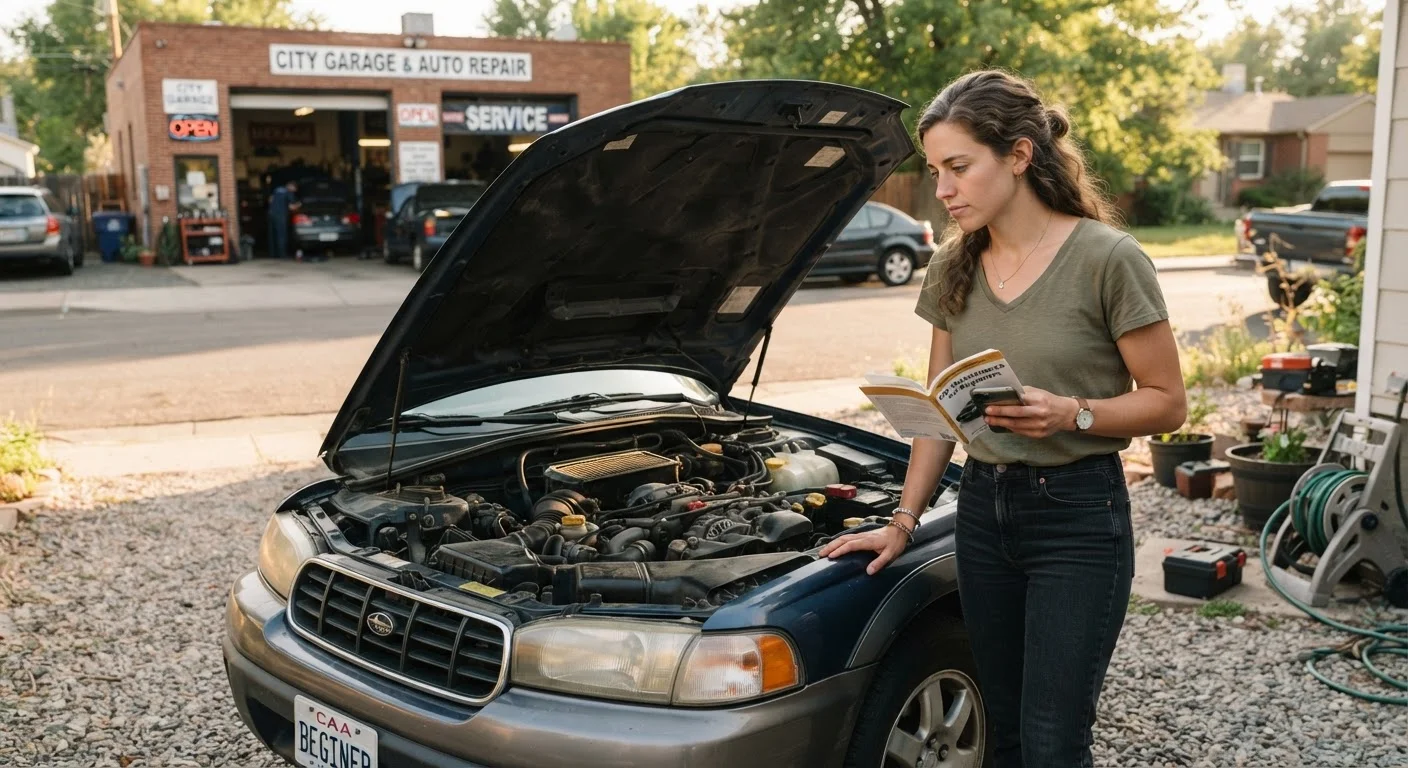
Photo: TotemBuzz.com | Your Lifestyle Companion editorial
Key Takeaways
- Simple maintenance tasks like checking fluids or replacing cabin air filters are generally safe for beginners to handle.
- Brake, suspension, and electrical work carry real safety risks and typically warrant a qualified mechanic.
- Your owner's manual is the most reliable first resource for understanding your specific vehicle's needs.
- A warning light on the dashboard should never be ignored — get it diagnosed before deciding on next steps.
Saves money on routine, low-complexity maintenance
Replacing wiper blades or a cabin air filter yourself costs only the part — labor charges for these simple tasks can exceed the part price at many shops.
Builds practical knowledge of your own vehicle
Regularly checking fluids and tire pressure familiarizes you with what 'normal' looks like, making it easier to spot problems early.
Flexible scheduling with no appointment needed
Simple tasks can be done at home on your own timeline, without waiting for a service slot or arranging alternate transportation.
Reinforces good maintenance habits
Owners who perform basic checks themselves tend to stay on top of maintenance intervals, which can extend vehicle life.
Safety risk with brake or suspension work
Brake components, wheel bearings, and suspension parts directly control vehicle handling. Errors here can result in brake failure or loss of vehicle control — both serious hazards.
Modern vehicles require diagnostic tools
Many faults on contemporary cars require an OBD-II scanner or proprietary dealer software to identify accurately; guesswork can lead to replacing the wrong parts.
Mistakes can cost more than professional repair
A DIY error — such as overtightening a drain plug or misrouting a hose — can damage components that would have been fine under professional service.
Some repairs may void warranty coverage
On newer vehicles still under manufacturer or extended warranty, certain DIY repairs or non-OEM (non-original) parts can complicate warranty claims; check your policy documents.
Electrical systems are complex and easy to damage
Modern vehicle electronics are interconnected; an accidental short or incorrect component replacement can trigger cascading faults across multiple systems.
Why the DIY vs. Mechanic Question Matters
Every car owner eventually faces a moment of decision: something seems off, and you have to choose between grabbing a YouTube tutorial or calling a shop. Getting that call right matters — not just for your wallet, but for your safety and the long-term health of your vehicle.
The good news is there's a practical framework for thinking this through. It starts with understanding which tasks are genuinely beginner-friendly and which ones carry risks that outweigh any savings. For a broader look at how consistent habits protect your car over time, see our guide to long-term car maintenance.
Tasks Most Beginners Can Handle Safely
A handful of maintenance tasks are genuinely low-risk, well-documented, and designed so that owners can perform them without specialized tools or training. These typically involve consumable items that simply need to be replaced on a regular schedule.
- Checking and topping off fluids — engine oil, coolant, washer fluid, and brake fluid reservoirs are usually clearly labeled under the hood. Your owner's manual shows exact fill lines.
- Replacing cabin air filters — in most vehicles, these are accessible behind the glove box with no tools required.
- Swapping windshield wiper blades — replacement blades include instructions and require no mechanical knowledge.
- Checking tire pressure — a basic tire gauge costs a few dollars; the correct pressure is listed on a sticker inside the driver's door jamb, not on the tire sidewall.
- Replacing a battery — straightforward in many vehicles, though some modern cars store electronic settings in the battery circuit; check your manual first.
Saves money on routine, low-complexity maintenance
Replacing wiper blades or a cabin air filter yourself costs only the part — labor charges for these simple tasks can exceed the part price at many shops.
Builds practical knowledge of your own vehicle
Regularly checking fluids and tire pressure familiarizes you with what 'normal' looks like, making it easier to spot problems early.
Flexible scheduling with no appointment needed
Simple tasks can be done at home on your own timeline, without waiting for a service slot or arranging alternate transportation.
Reinforces good maintenance habits
Owners who perform basic checks themselves tend to stay on top of maintenance intervals, which can extend vehicle life.
If you're new to car ownership, it's also worth reading about common car ownership myths that can lead beginners astray on these routine tasks.
When You Should Call a Mechanic
Other jobs involve your vehicle's safety-critical systems, require calibrated tools, or can cause serious harm if done incorrectly. These are not areas where learning by trial and error is appropriate.
Safety risk with brake or suspension work
Brake components, wheel bearings, and suspension parts directly control vehicle handling. Errors here can result in brake failure or loss of vehicle control — both serious hazards.
Modern vehicles require diagnostic tools
Many faults on contemporary cars require an OBD-II scanner or proprietary dealer software to identify accurately; guesswork can lead to replacing the wrong parts.
Mistakes can cost more than professional repair
A DIY error — such as overtightening a drain plug or misrouting a hose — can damage components that would have been fine under professional service.
Some repairs may void warranty coverage
On newer vehicles still under manufacturer or extended warranty, certain DIY repairs or non-OEM (non-original) parts can complicate warranty claims; check your policy documents.
Electrical systems are complex and easy to damage
Modern vehicle electronics are interconnected; an accidental short or incorrect component replacement can trigger cascading faults across multiple systems.
When a Warning Light Appears
A similar principle applies in home maintenance — knowing when to hire a professional rather than attempt complex work yourself is a key skill. Our DIY vs. hiring a tradesperson framework lays out a useful decision model that translates well to car repair thinking.
How to Assess Any Situation Before Deciding
Before you pick up a wrench or dial a shop, run through a few quick questions:
- Is a safety system involved? Brakes, steering, suspension, airbags, and tires directly affect your ability to control the vehicle. Default to a mechanic.
- Do you have the right tools? Many jobs require torque wrenches, OBD-II scanners, or hydraulic jacks. Improvising with the wrong equipment creates new problems.
- What does the owner's manual say? Manufacturer guidance takes priority over general advice online. It's specific to your vehicle's design and tolerances.
- What's the cost of getting it wrong? A misinstalled cabin filter is inconvenient; an improperly bled brake line is dangerous. Weight the downside, not just the upside.
~30%
Share of vehicle repairs attempted as DIY
Industry survey data has consistently shown roughly a third of vehicle owners attempt at least some maintenance themselves, though success rates vary significantly by task complexity.
80%+
Dashboard warning lights ignored initially
Studies by automotive safety organizations have found a majority of drivers delay acting on warning lights, sometimes allowing minor issues to develop into major repairs.
When a dashboard warning light appears, resist the urge to diagnose it yourself based on a quick search. Warning lights can indicate anything from a loose gas cap to a failing sensor or a serious mechanical fault — a diagnostic scan at a shop is usually inexpensive and gives you accurate information to work from.
The content on this site is for informational purposes only and is not a substitute for professional advice. Always consult a qualified professional for guidance specific to your situation.