
A Realistic Look at Keeping Your Car Running Well for the Long Term

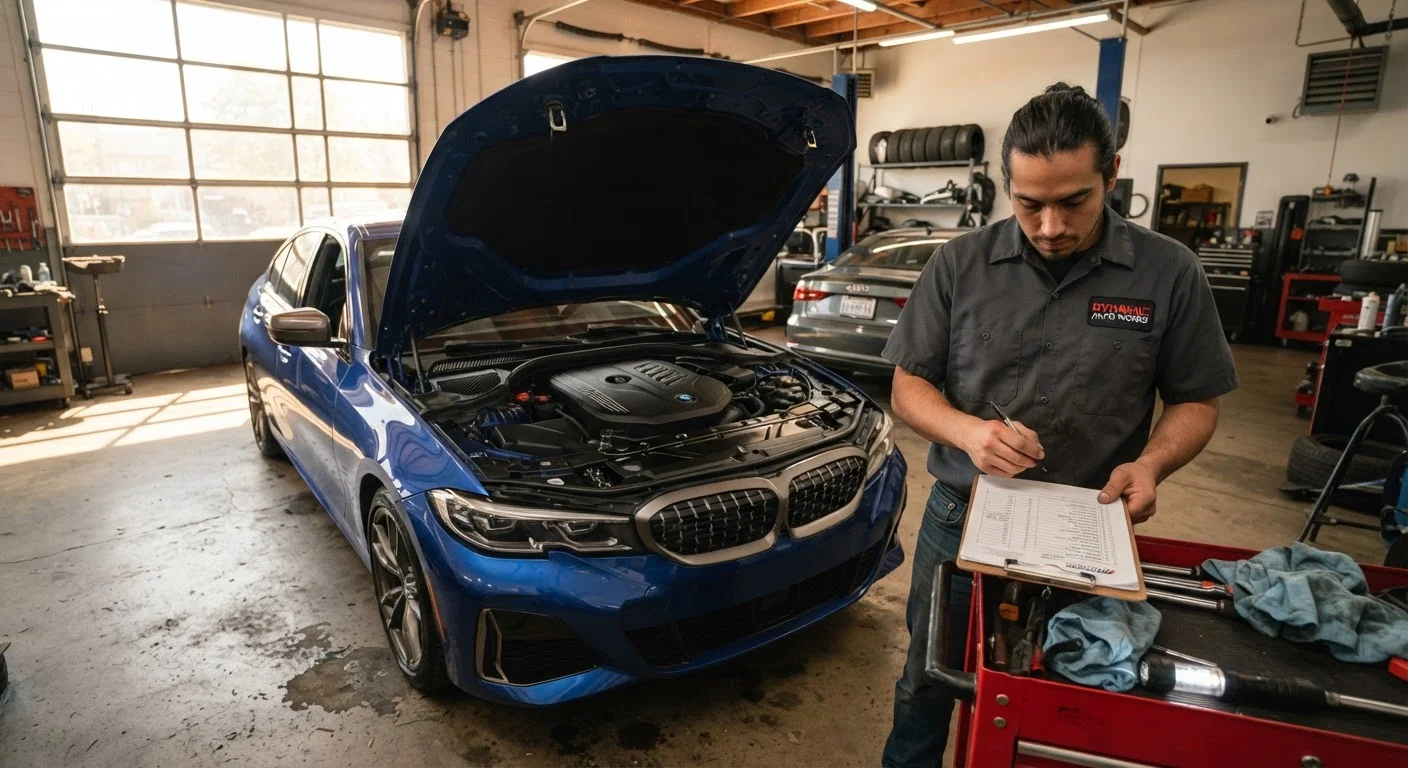
Photo: TotemBuzz.com | Your Lifestyle Companion editorial
Key Takeaways
- Following your owner's manual service schedule is the single most effective maintenance habit.
- Most car problems develop gradually — catching them early costs far less than emergency repairs.
- Simple checks like tire pressure and fluid levels take minutes but meaningfully extend vehicle life.
- Knowing when to see a mechanic versus handle something yourself protects both your car and your safety.
Why Consistency Matters More Than Expensive Fixes
New car owners often assume that keeping a vehicle reliable requires deep mechanical knowledge or a large repair budget. In reality, most long-lived cars share something simpler: owners who showed up consistently for routine maintenance. A small problem ignored for months rarely fixes itself — it typically becomes a larger, more costly one.
This isn't about perfection. Missing one oil change won't destroy an engine. But a pattern of skipped services, ignored warning lights, and deferred tire checks adds up. Think of routine maintenance less like a chore and more like a habit — the kind that quietly prevents problems before they start.
If you're also curious how consistency applies to other areas of life, the same principle turns up in personal finance: long-term investors tend to favor steady habits over dramatic moves.
Follow your owner's manual service intervals, not generic internet advice.
Check tire pressure monthly, including the spare.
Monitor and top off essential fluids between service appointments.
Address warning lights promptly rather than waiting to see if they clear.
Replace wiper blades and cabin air filters on schedule.
The Maintenance Practices That Actually Make a Difference
There's a lot of noise online about what cars need. Much of it is outdated or simply wrong. Before accepting any advice — including tips from well-meaning friends — it's worth checking it against your owner's manual and reliable sources. Our guide to common car ownership myths covers several that trip up first-time owners regularly.
Your owner's manual is genuinely your most useful tool. It lists the exact fluids, service intervals, and tire specifications your specific vehicle needs — not a generic car, your car. If you find the schedule confusing, reading a service schedule doesn't require mechanical expertise — it just takes a little orientation.
Your Door Jamb Sticker Is Your Friend
Quick Wins You Can Act on Right Now
Some of the highest-impact maintenance habits require no tools and no mechanical background. They do require a few minutes of attention on a regular basis. Starting with these builds the foundation everything else rests on.
When something does go wrong, knowing your limits matters. Some tasks — like replacing a cabin air filter — are genuinely beginner-friendly. Others, particularly anything involving brakes, suspension, or electrical systems, carry real risk if done incorrectly. Our article on when to handle a car problem yourself and when to see a mechanic walks through how to tell the difference confidently.
35%
Of roadside breakdowns are preventable
AAA has estimated that a significant share of roadside service calls involve issues — such as dead batteries, flat tires, and fuel problems — that routine inspections could have caught in advance.
~$1,200
Average annual car repair cost per vehicle
According to AAA research, the average American driver spends hundreds to over a thousand dollars on unplanned vehicle repairs each year, much of which stems from deferred routine maintenance.
Building Habits That Stick
The hardest part of car maintenance isn't knowing what to do — it's remembering to do it. Setting a recurring calendar reminder every three months for a basic walk-around check (tires, lights, fluid reservoirs) takes thirty seconds to schedule and can save hundreds of dollars over a few years.
Keep a simple log — even a notes app on your phone — recording what was done and when. This makes it easy to track when the next oil change is due, and it's genuinely useful if you ever sell the vehicle or need a mechanic to understand the car's history.
Maintenance Needs Vary by Driving Conditions
Reliability isn't mysterious. It's the result of small, repeated actions taken before anything breaks. The car owners who rarely face expensive surprises aren't lucky — they're consistent.
The content on this site is for informational purposes only and is not a substitute for professional advice. Always consult a qualified professional for guidance specific to your situation.