
Reading Your Car's Service Schedule Without a Degree in Mechanics

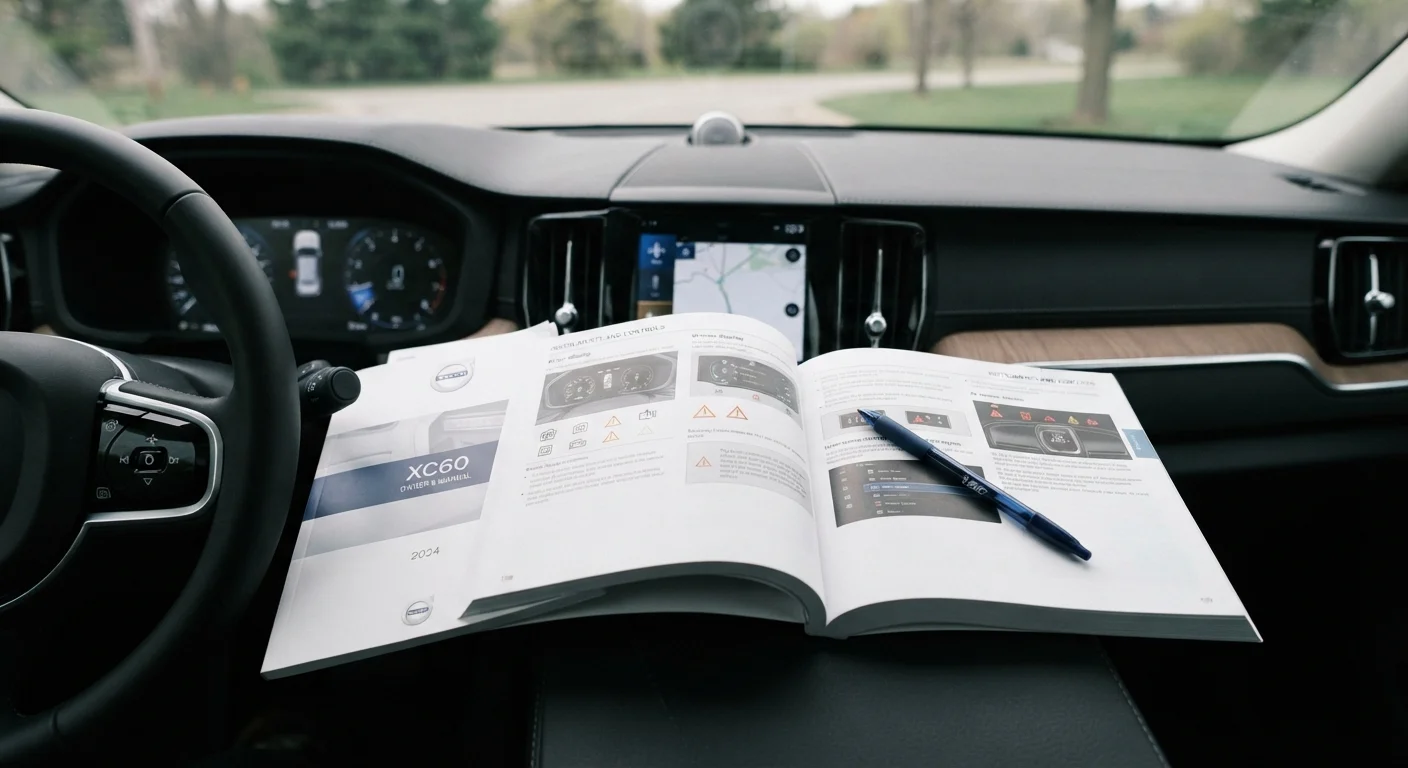
Photo: TotemBuzz.com | Your Lifestyle Companion editorial
Key Takeaways
- Your owner's manual contains the most accurate service schedule for your specific vehicle.
- Service intervals are measured by mileage, time, or whichever milestone arrives first.
- Severe-use schedules apply when you frequently drive in stop-and-go traffic, extreme heat, or dusty conditions.
- Skipping scheduled maintenance can void certain manufacturer warranties.
- Dashboard warning lights and a maintenance log work together to keep you on track.
Where the Schedule Actually Lives
New car owners often assume the service schedule is something a mechanic or dealership tracks for them. In reality, the definitive source lives in your vehicle's owner's manual — the booklet in your glove compartment. If you bought a used car without one, your manufacturer's website typically offers a downloadable version by entering your vehicle identification number (VIN).
The maintenance section of your manual will list tasks organized by mileage milestones — commonly 5,000, 15,000, 30,000, 60,000, and 90,000 miles — along with time-based intervals. The rule is straightforward: complete the service when you reach whichever threshold comes first, whether that's miles driven or months elapsed.
If you're just getting started with car ownership, our guide to your first car covers the broader basics of what to expect in your first year on the road.
How to Read the Intervals
Most service schedules use a straightforward table or checklist format. Each row names a component or fluid, and each column represents a mileage or time milestone. A checkmark or bullet in that cell means the task is due. Here's what some common entries actually mean:
- Inspect: A mechanic checks the item for wear or damage but doesn't automatically replace it.
- Replace: The item should be swapped out regardless of its apparent condition, because wear may not be visible.
- Rotate: Tires are moved to different positions on the car to promote even tread wear.
- Flush: Old fluid is fully removed and replaced with fresh fluid — common for coolant and brake fluid.
You don't need to memorize technical details for each item. Your job as the owner is to know when each task is due and to communicate that to a qualified mechanic. For unfamiliar terms, the auto jargon glossary is a useful reference to keep bookmarked.
Use Your Mileage, Not Just the Calendar
Normal vs. Severe Service: Which Applies to You?
Most owner's manuals include two schedules: one for normal driving and one for severe or special operating conditions. Many drivers assume they fall under normal use, but the severe schedule may actually apply more often than you'd think.
Severe conditions typically include:
- Frequent short trips under five miles, especially in cold weather
- Extended idling or low-speed driving in heavy traffic
- Towing, hauling heavy loads, or driving on hilly terrain regularly
- Driving in extreme heat, cold, or dusty environments
If several of these describe your daily routine, your vehicle may need oil changes and other services more frequently than the standard schedule suggests. When in doubt, ask a mechanic to assess your driving patterns during your next visit.
~$1,200
Average annual vehicle maintenance cost per AAA estimates
AAA's annual driving cost studies have consistently shown that routine maintenance — when kept up — costs significantly less per year than deferred repair bills.
5,000–7,500 mi
Typical oil change interval for modern vehicles
Many newer vehicles with full synthetic oil can go longer between changes than the old 3,000-mile rule suggested; your manual specifies the right interval for your engine.
Keeping Track Without Losing Your Mind
Tracking service history doesn't require special software. A simple log works well: note the date, your current odometer reading, and the service performed after every visit. Many repair shops provide a printed summary — file these in your glove compartment or photograph them for a digital record.
Your dashboard may also display a maintenance reminder light (sometimes labeled "MAINT REQD" or "SERVICE DUE"). This light is typically triggered by a mileage counter built into the car's computer, not by an actual sensor measuring fluid quality. It's a useful prompt, but your owner's manual — not the light alone — determines what specific work is actually needed.
For a deeper look at what consistent maintenance habits actually accomplish over time, see our article on keeping your car running well for the long term. And if you want to understand what's happening under the hood between service visits, checking your essential fluids is a practical starting point.
Once you're comfortable reading your schedule, the natural next question is which tasks you can monitor yourself and which require a professional. Knowing when to see a mechanic helps you draw that line clearly and safely.
Frequently Asked Questions
The content on this site is for informational purposes only and is not a substitute for professional advice. Always consult a qualified professional for guidance specific to your situation.