
What Every Warning Light on Your Dashboard Is Actually Telling You

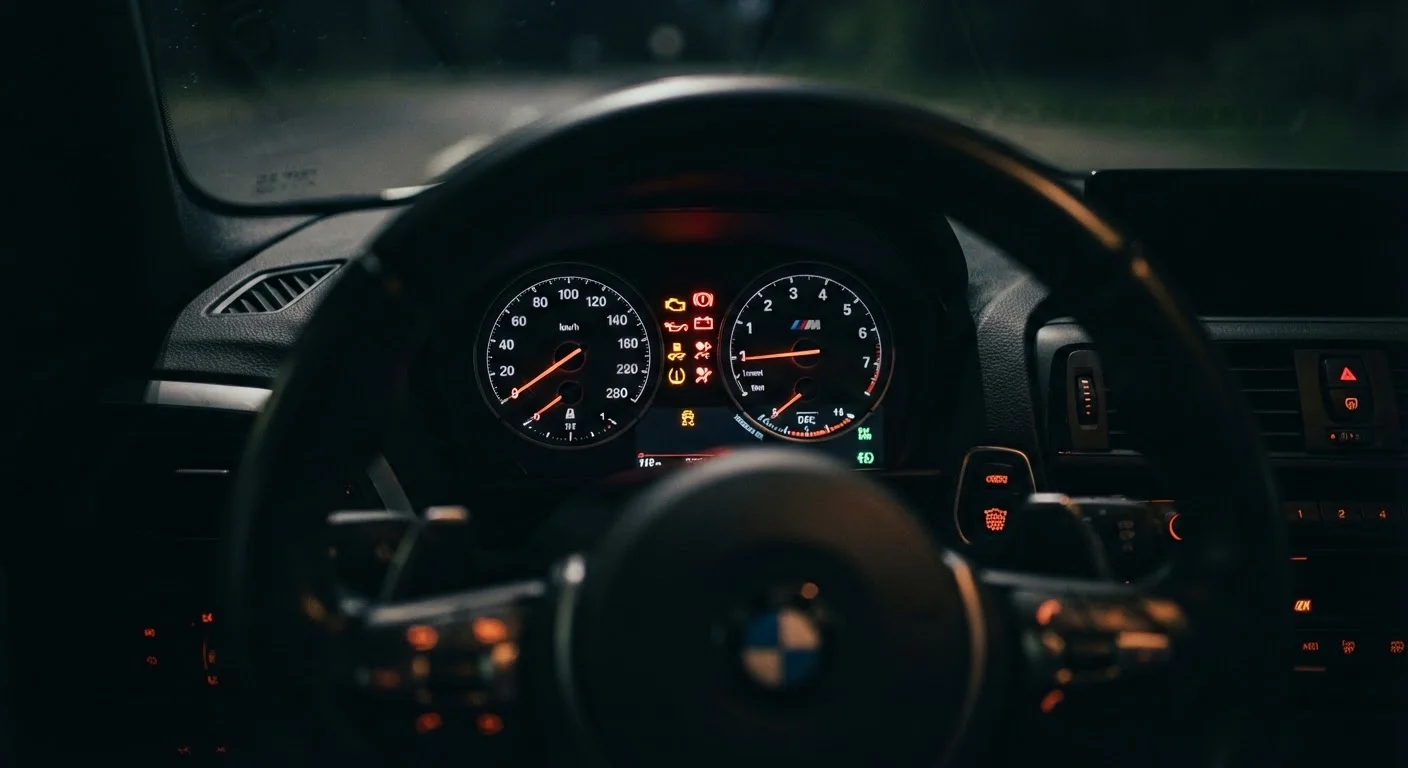
Photo: TotemBuzz.com | Your Lifestyle Companion editorial
Why Dashboard Lights Exist — and Why They Matter
Modern vehicles are packed with sensors that constantly monitor everything from engine temperature to tire pressure. When something falls outside the normal range, your car signals you through a dashboard warning light. Think of these lights as short messages your vehicle is sending — each one has a specific meaning, and knowing how to read them can help you avoid a breakdown or a costly repair.
Warning lights generally fall into three color categories. Red lights are urgent — they usually mean stop driving or act immediately. Amber or yellow lights indicate something needs attention soon but isn't an emergency. Green and blue lights are informational, simply confirming that a system (like your headlights or cruise control) is active.
Before diving into specific lights, it helps to have a solid foundation of auto terminology. The Auto Jargon Glossary every new driver should bookmark is a useful companion reference if any terms here are unfamiliar.
Check Engine Light
An amber warning light (usually shaped like an engine outline) that activates when the vehicle's onboard diagnostic system detects a fault. The issue can range from minor to serious, so it should always be investigated.
TPMS
Tire Pressure Monitoring System — a sensor-based system that alerts you when one or more tires fall significantly below the recommended inflation level.
Alternator
A generator driven by the engine that produces electricity to charge the battery and power the car's electrical systems while the engine is running.
Catalytic Converter
An emissions control component in the exhaust system that converts harmful combustion gases into less harmful substances. Engine misfires can overheat and damage it.
Coolant
A fluid (also called antifreeze) that circulates through the engine to regulate temperature, preventing overheating in summer and freezing in winter.
The Most Common Warning Lights, Explained
Here's a plain-language breakdown of the dashboard lights you're most likely to encounter:
| Red lights mean | Stop or act immediately |
| Amber lights mean | Attention needed soon |
| Flashing vs. steady | Flashing is always more urgent |
| Best reference for your car | Your vehicle's owner's manual |
| Oil pressure warning response | Pull over and switch off engine |
Check Engine Light (Amber Engine Symbol)
This is one of the most misunderstood lights. It doesn't necessarily mean your engine is about to fail — it can signal anything from a loose gas cap to a misfiring cylinder. If it's solid amber, schedule a mechanic visit within a few days. If it's flashing, reduce speed and seek help promptly, as a flashing light often indicates a serious misfire that can damage the catalytic converter.
Oil Pressure Warning (Red Oil Can Symbol)
This is a red-level alert. Low oil pressure means engine components aren't being lubricated properly, which can cause severe damage within minutes. Pull over safely, turn off the engine, and check your oil level. Do not continue driving until the issue is resolved. Our guide on checking engine oil and other fluids walks you through exactly what to look for.
Battery / Charging System (Red Battery Symbol)
This light indicates the electrical charging system isn't working correctly — the alternator may have failed, or there could be a loose connection. If this lights up while driving, minimize electrical use (turn off AC, radio) and head to a mechanic soon. A completely dead battery will leave you stranded.
Coolant Temperature Warning (Red Thermometer Symbol)
Your engine is overheating. Pull over safely as soon as possible, turn off the engine, and allow it to cool before checking coolant levels. Driving an overheated engine can cause permanent damage. Never open the radiator cap while the engine is hot.
Tire Pressure Monitoring System — TPMS (Amber Tire with Exclamation Mark)
One or more tires are significantly under-inflated. Check all four tires (and your spare) with a pressure gauge and inflate to the level shown in your owner's manual or on the driver's door sticker. Driving on under-inflated tires affects handling and fuel efficiency.
Brake System Warning (Red Circle with Exclamation Mark or "BRAKE")
If your parking brake is off and this light appears, treat it seriously. It may indicate low brake fluid or a fault in the braking system. Have a mechanic inspect it before driving further if possible.
What To Do When a Light Comes On
The right response depends on the light's color and behavior. As a general rule:
- Red light: Don't ignore it. Stop driving if it's safe to do so and consult your owner's manual immediately.
- Flashing light: More urgent than a steady light of the same color. Reduce load on the engine and seek help promptly.
- Amber light: Monitor it. Schedule a professional inspection within a few days.
Your owner's manual is the single most reliable reference for your specific vehicle — every light is documented there with guidance for your make and model. If you don't have one, most manufacturers offer digital versions on their websites.
For a broader picture of keeping your car road-ready, a five-minute pre-journey safety check can catch many issues before they become warning lights. And if a light has already come on, knowing when to see a mechanic versus handling it yourself will help you decide your next move confidently.
Your Owner's Manual Is the Final Word
This article is for general informational purposes only. Always consult a qualified mechanic for diagnosis and repair of any vehicle fault.
The content on this site is for informational purposes only and is not a substitute for professional advice. Always consult a qualified professional for guidance specific to your situation.