
Currency, Cards, and Cash Abroad: A Practical Money Overview for Travellers

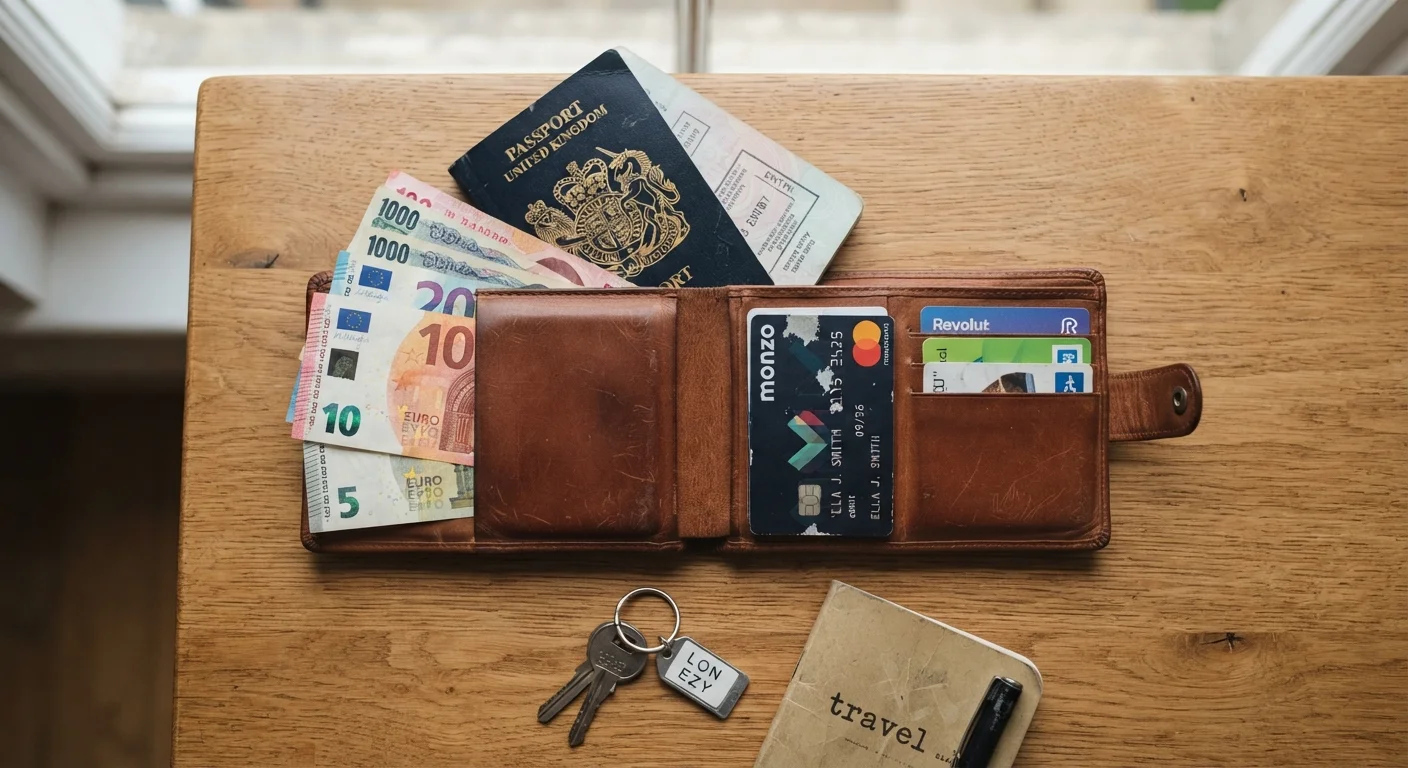
Photo: TotemBuzz.com | Your Lifestyle Companion editorial
Why Your Payment Strategy Matters Before You Leave
Managing money abroad is one of the most overlooked parts of trip planning — and one of the easiest to get wrong. Arriving in a foreign country without a usable payment method, or carrying cash in the wrong currency, can cause real disruption. The good news is that a little preparation goes a long way.
This overview is general financial information intended to help you research your options. It is not personalised financial advice. Fees, terms, and availability vary by bank, card issuer, and country, so always verify details with your own financial institution before you travel.
For a broader look at pre-departure planning, see Your First Trip Abroad — it covers everything from booking to documents. You may also want to include a travel money line in your budget; spending categories every budget should include explains how to approach that.
| Most widely accepted card networks internationally | Visa and Mastercard (Generally accepted; verify for your specific destination) |
| Typical foreign transaction fee range | 1%–3% per transaction (Varies by card issuer; some travel cards charge none) |
| Recommended cash on arrival | Enough for 1–2 days of small expenses (General traveller guidance; depends on destination) |
| Where to notify before travel | Your bank and all credit card issuers (Prevents fraud flags on your account) |
| Currency exchange locations | Banks, credit unions, airport kiosks, destination ATMs (Rates and fees differ significantly by location) |
Cash, Cards, and ATMs: How Each Option Generally Works
Most international travellers use a combination of local cash, debit cards, and credit cards. Here is how each typically functions:
- Local currency cash: Widely accepted for small purchases, markets, taxis, and tipping. You can obtain foreign currency through your bank before departure, airport exchange kiosks, or ATMs at your destination. Exchange rates and fees vary significantly between these sources.
- ATMs abroad: Using a debit card at a foreign ATM is often one of the more convenient ways to access local currency. However, your bank may charge a foreign transaction fee, a flat ATM fee, or both. Some banks reimburse ATM fees — check with yours in advance.
- Credit cards: Many credit cards are accepted at hotels, restaurants, and larger retailers in most countries. Cards with no foreign transaction fees are generally useful for travel. Always ask whether the terminal will charge in local currency or US dollars — choosing local currency typically gives you a better rate.
- Prepaid travel cards: These are cards you load with a set amount of currency before departure. They can help with budgeting but may carry reload fees or limited acceptance. Research terms carefully before relying on one.
1%–3%
Typical foreign transaction fee per purchase
Many card issuers charge this percentage on each transaction made in a foreign currency; cards marketed for travel often waive it.
2 methods
Minimum payment options recommended abroad
Travel advisors generally recommend carrying at least two forms of payment in case one is lost, blocked, or not accepted.
Before you travel, notify your bank and credit card issuer of your destination and travel dates. Failing to do so can result in your card being flagged or frozen for suspected fraud.
Key Terms and Concepts to Know
Understanding a few standard terms will help you read fee disclosures and make informed decisions at currency exchanges or ATMs.
Foreign Transaction Fee
A fee charged by your bank or card issuer when you make a purchase in a foreign currency or through a foreign bank. It is typically a percentage of each transaction, often 1–3%.
Exchange Rate
The rate at which one currency is converted into another. Rates fluctuate daily and differ between banks, exchange kiosks, and ATMs. A less favorable rate means you get fewer units of foreign currency per dollar.
Dynamic Currency Conversion (DCC)
A service some foreign merchants or ATMs offer to charge you in US dollars instead of local currency. This is generally less favorable than letting your card issuer handle the conversion.
Prepaid Travel Card
A card preloaded with a set amount of currency before travel. It works like a debit card up to the loaded balance and is separate from your primary bank account.
ATM Withdrawal Fee
A charge applied when you withdraw cash from an ATM that is outside your bank's network. This may come from your own bank, the foreign ATM operator, or both.
Interbank Rate
The exchange rate banks use when trading currency with each other — essentially the baseline rate. Retail exchange services typically offer a rate less favorable than the interbank rate.
Pair this reference with the travel terminology glossary for a broader vocabulary overview, and review the pre-trip preparation checklist to make sure money planning fits into your full departure routine.
Airport Exchange Kiosks: Convenient but Costly
The content on this site is for informational purposes only and is not a substitute for professional advice. Always consult a qualified professional for guidance specific to your situation.