
Indoor vs. Outdoor Pets: Weighing the Trade-Offs

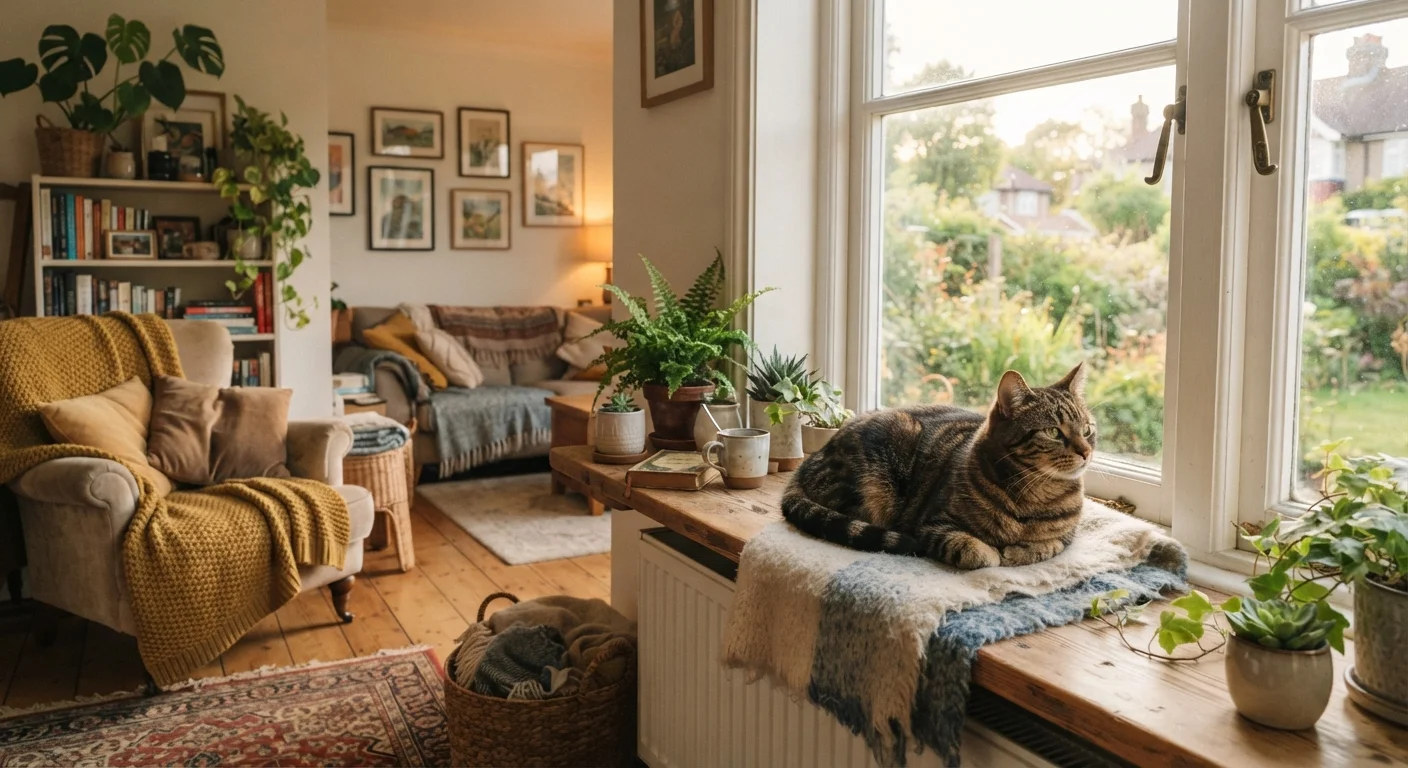
Photo: TotemBuzz.com | Your Lifestyle Companion editorial
Key Takeaways
- Indoor pets generally live longer due to reduced exposure to predators, traffic, and disease.
- Outdoor access can support a pet's physical and mental wellbeing when managed safely.
- The right setup depends on your pet's species, temperament, and your local environment.
- Supervised or controlled outdoor time can offer a middle ground for many owners.
- Veterinary guidance is valuable when deciding what level of outdoor exposure suits your specific animal.
Longer average lifespan for indoor-only cats
Indoor cats are shielded from traffic, predators, fights with other animals, and infectious diseases like feline leukemia. Veterinary data consistently supports a significant lifespan advantage for cats kept indoors.
Reduced exposure to parasites and toxins
Fleas, ticks, intestinal worms, and toxic plants or substances are far less likely to affect pets who don't roam. This also reduces the risk of bringing parasites into a home with children.
Greater owner awareness of health changes
When a pet is always home, you notice changes in appetite, energy, or behavior sooner. Early detection of illness is one of the most practical benefits of indoor living.
Lower risk of getting lost or stolen
Pets that don't go outdoors unsupervised can't stray, and microchipping or ID tags become a backup rather than a primary safeguard.
Outdoor access supports natural behavior and exercise
Animals evolved to move through varied environments, and unrestricted indoor space often can't replicate that fully. Lack of physical and sensory variety can contribute to boredom, weight gain, and behavioral issues.
Exposure to traffic, predators, and disease
Cats that roam freely are at significant risk from cars and from contagious diseases spread through contact with other animals. Dogs left unsupervised in yards face risks from escapes, wildlife encounters, and ingesting hazardous materials.
Outdoor pets can bring hazards inside
Fleas, ticks, mud, allergens, and occasionally sharp debris can be tracked in by outdoor pets, raising hygiene and health concerns — especially relevant in households with young children or allergy-prone family members.
Harder to monitor health and behavior outdoors
A pet that spends hours outside is harder to observe closely. Wounds, illness onset, or behavioral changes may go unnoticed longer than they would with an indoor animal.
Why This Question Matters More Than You Might Think
One of the first decisions new pet owners face — often without realizing it — is how much outdoor access their animal will have. For cat owners especially, this question can feel loaded. For dog owners, it tends to be more structured around walks and yard time. Either way, your choice shapes your pet's health, behavior, and lifespan in meaningful ways.
This isn't a debate with a single correct answer. The right balance depends on your pet's species, age, temperament, your neighborhood, and your household setup. If you're navigating broader changes that come with a new animal, our guide on family life with a new pet covers a lot of the practical adjustments worth thinking through alongside this one.
The Case for Keeping Pets Indoors
Indoor living removes a long list of genuine hazards. Cats kept exclusively indoors, for example, have an average lifespan significantly longer than those with outdoor access — largely because they avoid cars, predators, infectious disease, and toxic plants or substances.
Longer average lifespan for indoor-only cats
Indoor cats are shielded from traffic, predators, fights with other animals, and infectious diseases like feline leukemia. Veterinary data consistently supports a significant lifespan advantage for cats kept indoors.
Reduced exposure to parasites and toxins
Fleas, ticks, intestinal worms, and toxic plants or substances are far less likely to affect pets who don't roam. This also reduces the risk of bringing parasites into a home with children.
Greater owner awareness of health changes
When a pet is always home, you notice changes in appetite, energy, or behavior sooner. Early detection of illness is one of the most practical benefits of indoor living.
Lower risk of getting lost or stolen
Pets that don't go outdoors unsupervised can't stray, and microchipping or ID tags become a backup rather than a primary safeguard.
Mental stimulation is the most common concern raised about indoor-only pets, and it's a fair one. Boredom can lead to destructive behavior, anxiety, and weight gain. The good news is that enrichment doesn't require a backyard. Puzzle feeders, climbing structures, window perches, and interactive play can go a long way. See what mental stimulation actually means for pets for practical ideas that work in apartments and smaller homes.
The Case for Outdoor Access
Outdoor time offers things that are genuinely hard to replicate inside: fresh air, varied sensory input, natural movement patterns, and the kind of low-level exercise that keeps joints healthy and weight in check. For dogs especially, regular outdoor time isn't optional — it's a core welfare need.
Outdoor access supports natural behavior and exercise
Animals evolved to move through varied environments, and unrestricted indoor space often can't replicate that fully. Lack of physical and sensory variety can contribute to boredom, weight gain, and behavioral issues.
Exposure to traffic, predators, and disease
Cats that roam freely are at significant risk from cars and from contagious diseases spread through contact with other animals. Dogs left unsupervised in yards face risks from escapes, wildlife encounters, and ingesting hazardous materials.
Outdoor pets can bring hazards inside
Fleas, ticks, mud, allergens, and occasionally sharp debris can be tracked in by outdoor pets, raising hygiene and health concerns — especially relevant in households with young children or allergy-prone family members.
Harder to monitor health and behavior outdoors
A pet that spends hours outside is harder to observe closely. Wounds, illness onset, or behavioral changes may go unnoticed longer than they would with an indoor animal.
For cats, the picture is more nuanced. Some cats — particularly those raised indoors from kittenhood — show little interest in going outside and adapt well to an enriched indoor environment. Others, especially those adopted as adults with outdoor experience, may become distressed if confined. Knowing your individual animal matters more than applying a blanket rule.
It Depends on the Individual Animal
Finding the Middle Ground
Many owners land on a hybrid approach: controlled outdoor time that reduces risk without eliminating outdoor experience altogether. Options include leash-walking cats (yes, it works for some), enclosed "catio" structures, fenced yards with escape-proof modifications, and supervised garden time.
If you have children at home, the calculus gets a little more complex — outdoor pets can track in mud, parasites, or allergens, and the interaction between roaming animals and small kids deserves thought. Understanding pet allergies in children is worth reading if anyone in your household has sensitivities.
10–15 yrs
Average lifespan of an indoor-only cat
Veterinary sources commonly cite indoor cats living 10–15 years on average, compared to estimates of 2–5 years for free-roaming outdoor cats, though individual variation is significant.
~45 min
Recommended daily outdoor exercise for most dogs
General veterinary guidance suggests most adult dogs benefit from at least 30–60 minutes of active outdoor exercise per day, depending on breed and age.
The species you choose also shapes what's realistic. Dogs and cats have very different independence levels and outdoor needs — if you're still deciding, a grounded comparison of dogs vs. cats as first pets can help you think it through before committing.
This article is for general informational purposes only. For guidance specific to your pet's health and behavioral needs, consult a licensed veterinarian.
The content on this site is for informational purposes only and is not a substitute for professional advice. Always consult a qualified professional for guidance specific to your situation.