
Pet Allergies in Children: Understanding the Difference Between Sensitivity and Risk

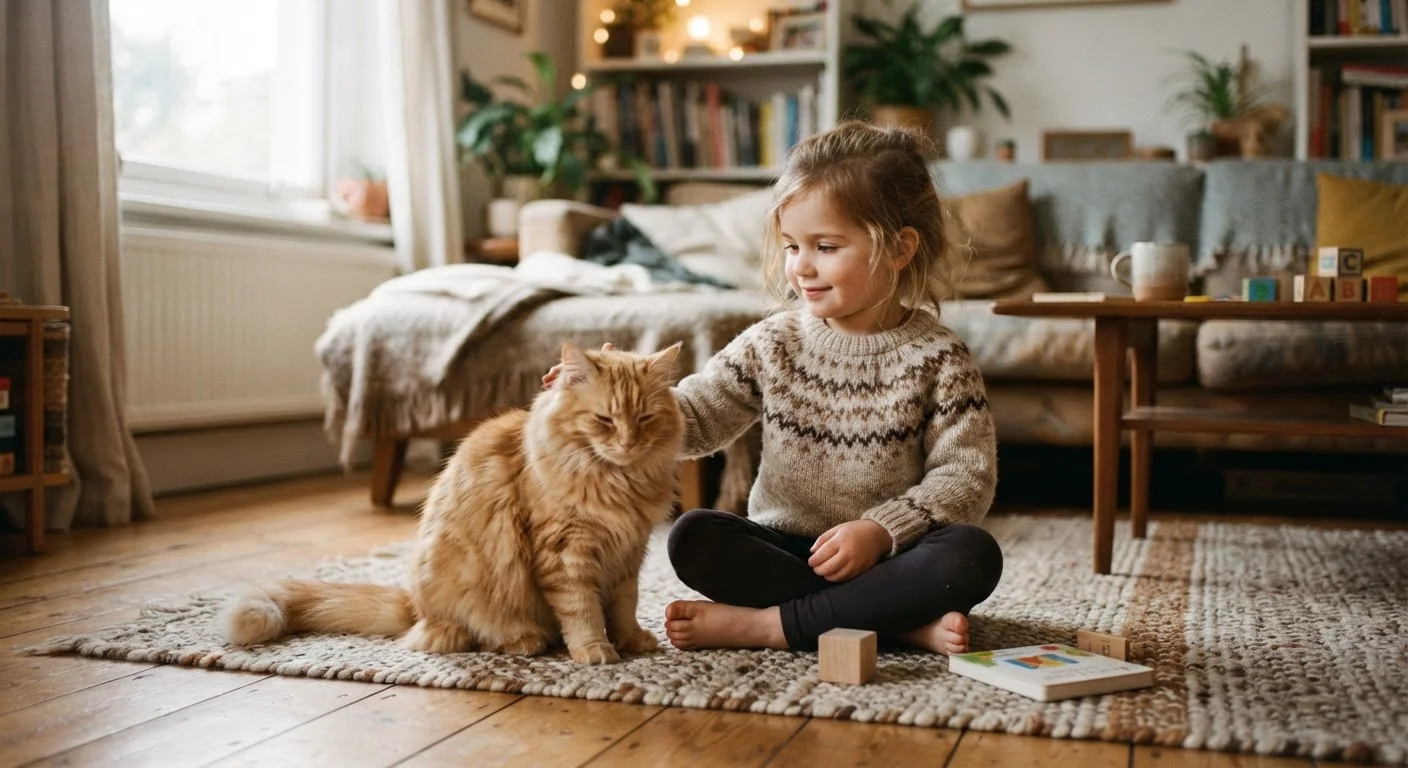
Photo: TotemBuzz.com | Your Lifestyle Companion editorial
Key Takeaways
- Pet allergies result from reactions to animal proteins, not pet fur itself.
- Mild sensitivity and a clinically significant allergy require different levels of response.
- Symptoms can overlap with other conditions like colds or seasonal allergies — diagnosis matters.
- An allergist can test children and provide a clear management plan.
- Many families successfully manage mild pet allergies without rehoming a pet.
What 'Pet Allergy' Actually Means
When parents hear that their child might have a pet allergy, it can feel alarming — especially in a home where an animal is already part of the family. But the term covers a wide range, and understanding what's actually happening in a child's body can take some of the fear out of the conversation.
Pet allergies are triggered by proteins in an animal's dander, saliva, or urine — not the hair or fur itself. When an allergic child encounters these proteins, their immune system launches a defensive response, producing symptoms that can range from a mildly runny nose to more significant respiratory reactions. The key thing to know early on: not all reactions are equal, and not every sensitive child requires the same level of intervention.
For a broader look at keeping pets and kids healthy under one roof, see our guide for new parents with pets.
Allergens Linger Even After a Pet Leaves
Sensitivity vs. Clinical Allergy: A Meaningful Distinction
Parents often use the words "sensitivity" and "allergy" interchangeably, but clinically they can mean different things. A child who sneezes occasionally near the cat or develops mild, temporary itchiness may be sensitive to pet dander — but that doesn't automatically mean they have a condition requiring aggressive treatment.
A clinical allergy, by contrast, involves a measurable immune response that can be confirmed through skin-prick or blood testing administered by an allergist. This distinction shapes everything from management strategy to whether environmental changes or medications are advisable. Without a formal assessment, it's easy to either over-respond (causing unnecessary family stress) or under-respond (missing something that genuinely needs attention).
~30%
of people with allergies react to cats or dogs
According to the Asthma and Allergy Foundation of America, pet allergies are among the most common environmental allergies in the US.
2x
Higher asthma risk in some sensitised children
Research has found that children who are sensitised to cat or dog allergens and have a family history of asthma may face elevated asthma risk, though individual outcomes vary significantly.
It's also worth noting that symptoms often overlap with seasonal allergies or common colds. A child who seems to react to the dog in winter may actually be responding to indoor mold or dust mites — both of which tend to worsen in closed-up, heated homes. Proper testing removes the guesswork.
Recognising Symptoms and Knowing When to Act
Typical pet allergy symptoms in children include sneezing, nasal congestion, itchy or red eyes, skin hives or eczema flare-ups, and — in children with asthma — increased wheezing or shortness of breath. Symptoms that appear consistently and specifically in the presence of a particular animal are a meaningful signal worth discussing with a pediatrician.
When to involve a doctor sooner rather than later:
- Symptoms are affecting your child's sleep, school performance, or daily comfort
- Your child has asthma and symptoms worsen around animals
- Over-the-counter antihistamines aren't providing sufficient relief
- You're unsure whether the pet is actually the cause
A pediatrician will often refer families to a board-certified allergist for testing. Allergy immunotherapy (sometimes called allergy shots) is one approach that may be discussed for some children — but this is a medical decision to be made with a qualified healthcare provider, not based on general reading.
Talk to an Allergist Before Making Big Decisions
This article is for general informational purposes only and is not a substitute for professional medical advice. Always consult your child's doctor or a qualified allergist for guidance specific to your child's health.
Practical Steps Families Can Take at Home
For families navigating mild to moderate sensitivity, a range of environmental strategies can meaningfully reduce allergen exposure without requiring a pet to be rehomed. These aren't cures, but they can improve daily comfort while a family works with their doctor on a longer-term plan.
- Keep pets out of the child's bedroom — allergen levels in sleeping spaces matter significantly for overnight comfort
- Use HEPA-filter air purifiers in rooms where the child spends the most time
- Wash hands after handling pets and avoid touching eyes or face
- Vacuum frequently with a HEPA-equipped vacuum and consider hard flooring over carpets where possible
- Bathe pets regularly — while it doesn't eliminate dander, it can temporarily reduce the amount shed into the environment
It's also worth reading about indoor versus outdoor pet arrangements, as where a pet spends their time can influence allergen distribution in the home. And if concerns extend beyond allergies to other health questions about kids and animals, our piece on common myths about kids and pet germs offers useful, research-grounded perspective.
Frequently Asked Questions
The content on this site is for informational purposes only and is not a substitute for professional advice. Always consult a qualified professional for guidance specific to your situation.