
Family Life Tips

Morning Routines for Families with Young Children

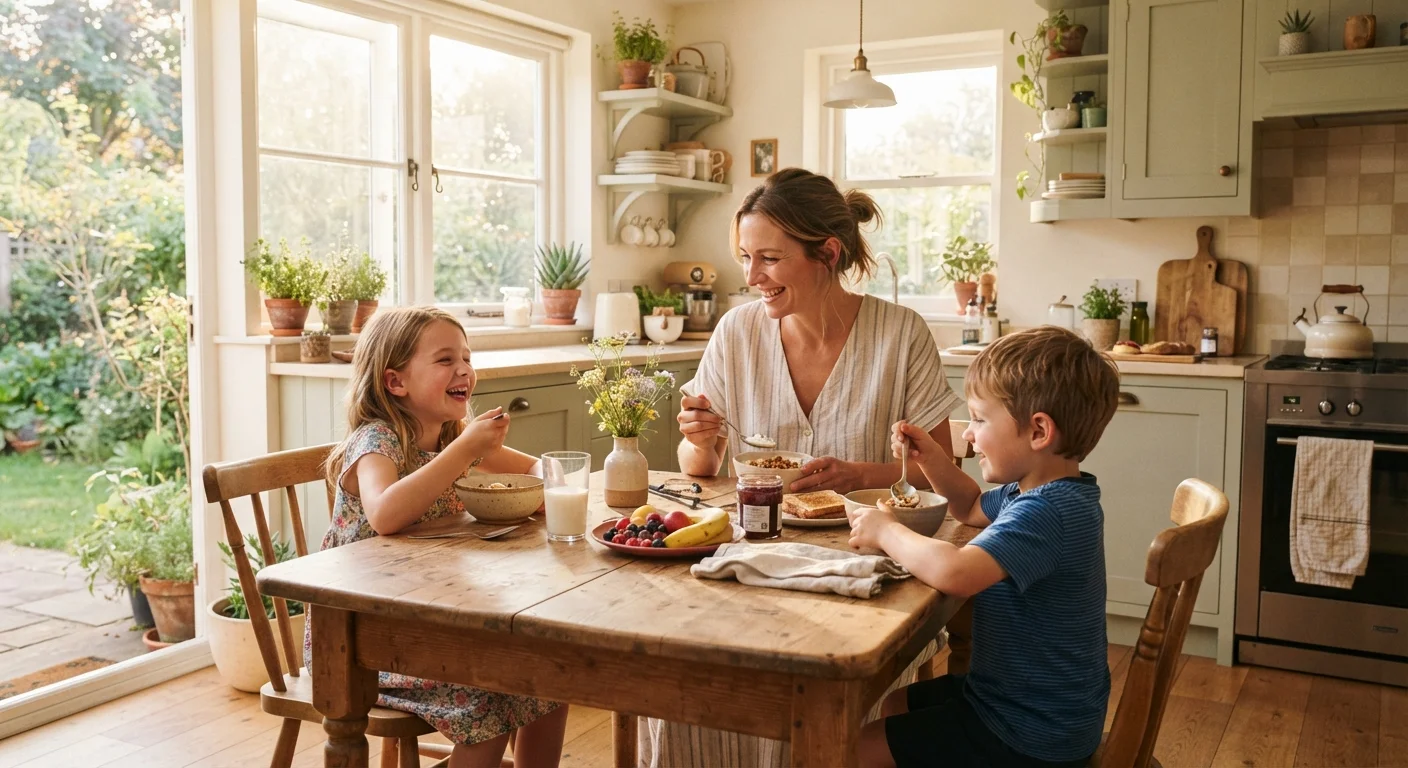
Morning Routines for Families with Young Children

Photo: TotemBuzz.com | Your Lifestyle Companion editorial

A practical look at structuring school-day mornings to reduce stress, save time, and start the day calmly for parents and kids alike.

Key Takeaways

  • Preparing the night before dramatically reduces morning chaos and decision fatigue.
  • Consistent wake times help children's bodies adapt and make mornings more predictable.
  • Visual schedules give young children independence and reduce parental nagging.
  • Building buffer time into your routine prevents small delays from becoming big stressors.
  • A calm parent models calm behavior — your energy sets the morning tone.

Why Morning Routines Matter for Young Families

If school-day mornings feel like controlled chaos in your house, you're far from alone. Young children thrive on predictability, but the morning rush — with its overlapping demands of breakfast, getting dressed, finding shoes, and making it out the door — can derail even the most organized household.

The good news: a consistent morning routine doesn't have to be rigid or exhausting to build. Small structural changes, repeated daily, can turn a frantic scramble into something that actually feels manageable. Much like the way consistent schedules reduce stress for pets, predictable morning structures help young children feel secure, cooperative, and ready to take on their day.

Below, we've pulled together practical, research-informed practices to help growing families build mornings that work — for kids and for the adults wrangling them.

1

Set a consistent wake time for everyone in the household, including parents.

Children's internal clocks respond strongly to regular sleep-wake cycles. A consistent wake time — even on weekends when possible — reduces the groggy resistance that makes early mornings feel like a battle. Parents who wake before their kids also have a few minutes of quiet that sets a calmer tone.
Example: If school starts at 8:30 a.m., setting a 6:45 a.m. family alarm and sticking to it across the week helps children's bodies anticipate the schedule naturally within a couple of weeks.
2

Do as much preparation the night before as possible.

Morning decision fatigue is real — for parents and children alike. Pre-packing bags, choosing outfits, and having a rough breakfast plan removes friction at the most time-pressured moment of the day. This single habit tends to have the biggest single impact on morning stress.
Example: A family with two school-age children might spend ten minutes after dinner each evening laying out the next day's clothes and checking that homework and permission slips are already in backpacks.
3

Use a simple visual schedule your child can follow independently.

Young children respond well to picture-based charts that show the morning sequence step by step. A visual routine transfers ownership to the child, which reduces the need for repeated reminders and reduces conflict between parent and child around transitions.
Example: A laminated card near the bathroom mirror showing icons for 'brush teeth → get dressed → eat breakfast → shoes on → bag by the door' lets a five-year-old track their own progress without prompting.
4

Build at least ten minutes of buffer time into your schedule.

Spilled cereal, a missing shoe, and a last-minute meltdown are not rare events — they're regular features of mornings with young children. A buffer absorbs these without derailing the whole departure. Families who schedule too tightly feel stressed even when nothing goes wrong.
Example: If you need to leave by 8:15 a.m., treat 8:00 a.m. as your 'ready to leave' target internally, so the real deadline doesn't feel frantic.
5

Keep breakfast simple, nourishing, and low-fuss.

An elaborate breakfast is a lovely idea in theory, but on school days simplicity wins. Rotating a small set of easy, protein-inclusive options your child will actually eat prevents morning mealtime negotiation and means breakfast takes ten minutes, not twenty-five.
Example: Keeping a rotation of three or four reliably accepted breakfasts — such as oatmeal with fruit, eggs and toast, or yogurt with granola — removes the 'what do you want?' back-and-forth entirely.
6

Model calm, even when you don't feel it.

Children are acutely sensitive to parental stress. When a parent is visibly frantic or short-tempered, children often become dysregulated themselves, making the situation harder. Deliberately slowing your own voice and movements — even briefly — can shift the whole household's energy.
Example: Taking one slow breath before responding to a spill or a child who can't find their backpack helps signal to your child that the situation is manageable, not catastrophic.

Quick Wins You Can Try This Week

You don't need to overhaul everything at once. These small, targeted changes can make a noticeable difference almost immediately. If you're also looking ahead to the school year more broadly, our family preparation checklist covers supplies, logistics, and emotional readiness all in one place.

high Set tomorrow's alarm ten minutes earlier than usual to create breathing room before the kids wake up.
high Tonight, lay out tomorrow's clothes for each child before bed — your future morning self will thank you.
medium Write or draw a three-step morning chart for your child and tape it somewhere visible, like the bathroom mirror.
medium Identify the one thing that causes the most morning delay in your house and address just that one issue this week.
medium Prep tomorrow's breakfast ingredients tonight so it's grab-and-go in the morning.

The Night-Before Connection

Morning routines don't actually start in the morning — they start the evening before. Laying out clothes, packing backpacks, and prepping a simple breakfast the night before removes most of the decisions that slow families down at 7 a.m.

Make the Night Before a Family Habit

Frame the nightly prep routine as a short, predictable wind-down activity rather than extra chores. When children help pack their own bags and choose their clothes, they feel ownership over the next morning — and are generally more cooperative about following through. Five to ten minutes is plenty; keep it light and consistent.

How well your child sleeps also shapes how cooperative they'll be at breakfast. If bedtime is a struggle in your house, it's worth exploring what the research says: consistent bedtime habits have a measurable effect on children's mood and focus the following day. Similarly, building a calming pre-sleep routine for adults helps parents start their own mornings more rested and patient.

If you've tried routines before and they've fallen apart, that's completely normal. Most family routines need several attempts before they stick — flexibility and low-pressure restarts make all the difference.

This article is for general informational and educational purposes only. Every family is different; adapt these suggestions to what fits your children's ages, needs, and circumstances.

Pets & Family Editorial Team

TotemBuzz.com | Your Lifestyle Companion

Pets & Family Editorial Team is the collective byline for our editorial team and contributor network. Articles published under this byline or an editorial pen name are researched, written, and reviewed according to our editorial standards for clarity, consistency, and independence before publication.

Pet Care BasicsFamily Life TipsPets & Kids
View author profile

The content on this site is for informational purposes only and is not a substitute for professional advice. Always consult a qualified professional for guidance specific to your situation.