
Before School Starts: A Family Preparation Checklist

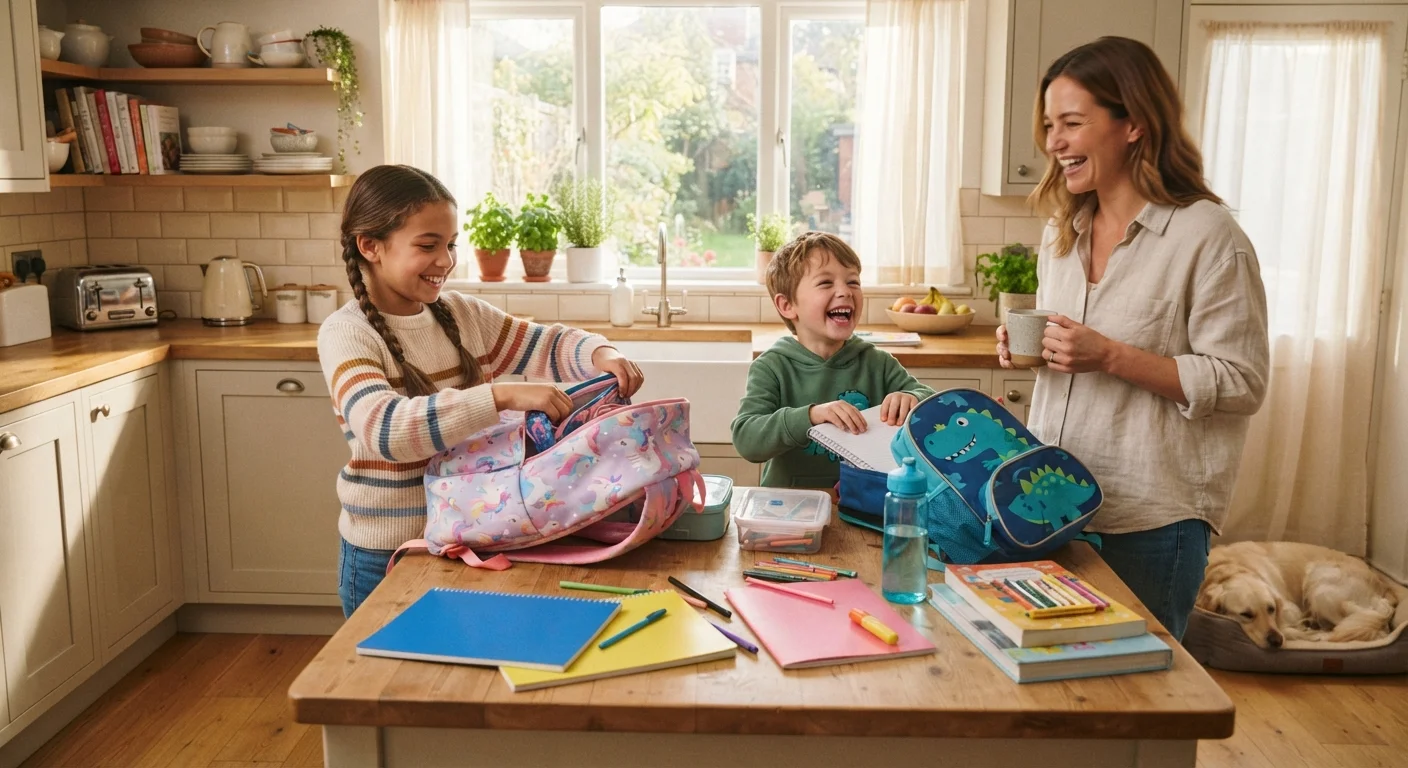
Photo: TotemBuzz.com | Your Lifestyle Companion editorial
Key Takeaways
- Starting bedtime routines 1–2 weeks early helps children adjust to school-day sleep schedules.
- Gathering supplies and organizing paperwork before the first day reduces last-minute stress significantly.
- Emotional check-ins are just as important as physical and logistical preparation for school readiness.
- Clear morning and afternoon routines give kids a sense of predictability and security.
- Scheduling a back-to-school wellness visit ensures vaccinations and health forms are up to date.
Why a Checklist Makes Back-to-School Easier
The weeks before school starts tend to sneak up on families faster than anyone expects. One moment it's mid-summer; the next, the calendar is screaming that orientation is three days away. A checklist doesn't just prevent forgotten items — it gives the whole family a shared sense of progress and calm as the big transition approaches.
This guide covers five key areas: health and wellness, supplies and paperwork, routines, emotional readiness, and logistics. Whether your child is starting kindergarten or heading into middle school, working through these categories together can make the first week feel far less chaotic.
Just like families benefit from thoughtful pre-planning before other big life moments — such as working through the safety steps before a pet joins a family with children — the same principle applies here: a little structure up front pays off for weeks afterward.
Health & Wellness
Supplies & Paperwork
Routines & Sleep
Emotional Readiness
Logistics & Transportation
What You'll Need to Work Through This Checklist
You don't need anything fancy to get started — just a bit of time, a few practical tools, and ideally your child involved in the process. Kids who help prepare tend to feel more ownership over the new school year.
School Supply List
Use the official list from your child's school or teacher to ensure you gather exactly what's needed — no more, no less.
Family Calendar or Planner
A shared physical or digital calendar helps everyone track school events, early dismissals, and appointment dates.
School Communication App or Parent Portal
Most districts use a platform for announcements, grades, and teacher messaging — set yours up before the first day.
Label Maker or Permanent Marker
Labeling clothing, supplies, and lunch items prevents lost belongings and saves time at school.
Visual Routine Chart (printable or whiteboard)
A simple morning and evening chart gives younger children clear, independent steps to follow without constant reminders.
Don't Leave Health Forms to the Last Minute
Building Routines That Actually Stick
Routines are the quiet backbone of a successful school year. Pediatric sleep guidelines from the American Academy of Pediatrics recommend school-age children get 9–12 hours of sleep per night, which means bedtimes often need to shift earlier than summer habits allow. Starting this adjustment 10–14 days before the first day gives children's bodies time to adapt without a jarring overnight change.
Morning routines work best when children know exactly what's expected — a visual checklist posted in the kitchen or hallway can help younger kids move through steps independently. Afternoon routines matter just as much: a predictable after-school rhythm (snack, downtime, homework, dinner) reduces the negotiation battles that often wear parents down by October.
If you're the type of planner who loves working through preparation checklists methodically, you might also find our pre-trip preparation checklist useful for organizing upcoming family travel around the school calendar.
Anxiety About School Is Common — and Worth Taking Seriously
This article is for general informational purposes only. For personalized guidance on your child's health, development, or specific needs, please consult a qualified healthcare professional or your child's school counselor.
The content on this site is for informational purposes only and is not a substitute for professional advice. Always consult a qualified professional for guidance specific to your situation.