
The Property Market Explained: What First-Time Buyers Actually Need to Know

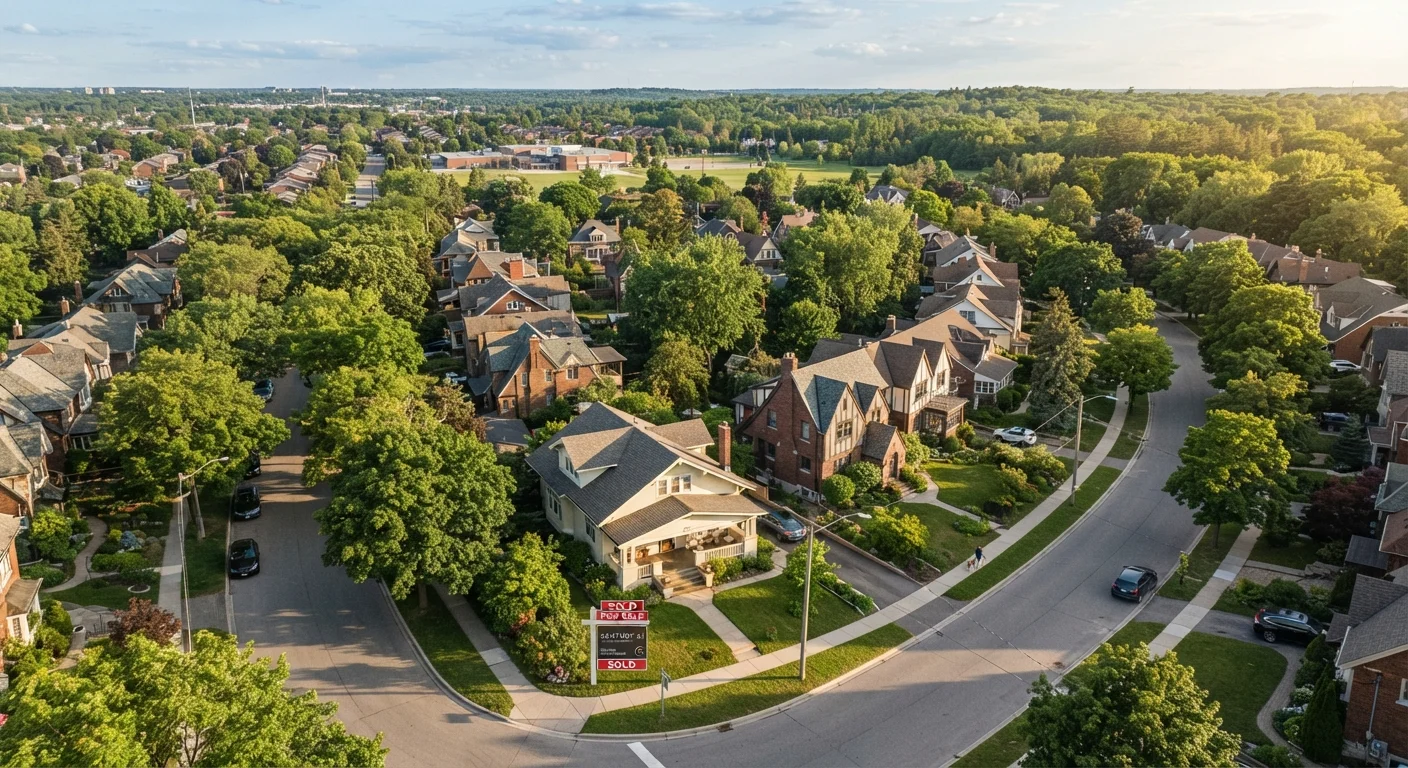
Photo: TotemBuzz.com | Your Lifestyle Companion editorial
Key Takeaways
- The property market is driven by supply, demand, interest rates, and local economic conditions.
- Most purchases involve several professionals — agents, lenders, inspectors, and attorneys or title companies.
- The process from offer to closing typically takes 30 to 60 days once a seller accepts.
- Getting pre-approved for a mortgage before you shop tells sellers you're a serious buyer.
- Property values are not guaranteed to rise; buying should match your long-term plans, not just market timing.
How the Property Market Actually Works
The property market is simply the system through which homes and land are bought and sold. Like any market, it runs on supply and demand: when more people want to buy than there are homes available, prices tend to rise. When there are more homes than buyers, sellers often have to lower prices or make concessions.
Unlike a stock exchange, real estate transactions are local. What's happening in one city — or even one neighborhood — can be completely different from the market two towns over. That's why broad headlines about the national housing market don't always reflect what you'll actually face when shopping in your area.
Buyer's market
A market condition where there are more homes for sale than there are buyers, giving purchasers more negotiating power and time to decide.
Seller's market
A market condition where demand from buyers exceeds the supply of homes, often pushing prices up and reducing negotiating leverage for buyers.
Pre-approval
A lender's written confirmation of how much it is willing to lend you, based on a review of your income, debts, and credit history. Stronger than a pre-qualification.
Earnest money
A deposit made by the buyer when submitting an offer, showing the seller you're serious. It typically applies toward your down payment or closing costs at settlement.
Contingency
A condition written into a purchase contract that must be met for the sale to proceed. Common examples include financing approval and a satisfactory home inspection.
Closing costs
Fees and expenses paid at the end of a real estate transaction, including lender fees, title insurance, and taxes. They typically add up to 2–5% of the loan amount.
If you're deciding between buying and renting, it's worth understanding both sides of the equation. Our guide on what your lease agreement is actually saying covers the other path in plain language.
The Key Players You'll Deal With
Buying a home involves a small team of professionals, each playing a specific role.
- Real estate agent (buyer's agent): Represents your interests, helps you find properties, and guides you through negotiations. In most US transactions, the buyer's agent is paid through the seller's proceeds, though this has been evolving. Learn more in our article on what a real estate agent actually does.
- Mortgage lender: The bank or financial institution that provides the loan. Shop around — rates and terms vary, and even a small difference in interest rate affects your total cost significantly over a 30-year loan.
- Home inspector: Examines the physical condition of the property before closing. This is not the same as an appraisal.
- Title company or real estate attorney: Verifies the seller legally owns the property and handles the paperwork at closing.
- Appraiser: Hired by the lender to confirm the home's market value matches the loan amount.
Get Pre-Approved Before You Start Touring
From Listing to Closing: The Basic Timeline
Here's roughly what the buying process looks like once you're ready to act:
- Get pre-approved: A lender reviews your finances and tells you how much you can borrow. This is different from pre-qualification, which is less thorough. Sellers take pre-approved buyers more seriously.
- Search and tour homes: Browse listings and visit properties that fit your budget and needs. Our guide to reading a property listing without getting lost helps you decode what you're looking at.
- Make an offer: Your agent drafts a purchase agreement with your offered price and contingencies — conditions that let you exit the deal if certain things aren't met (like financing falling through).
- Negotiate: The seller may accept, reject, or counter your offer. Back-and-forth is normal.
- Inspection period: Once under contract, you hire an inspector. Issues found can be used to renegotiate price or request repairs. See what first-time buyers commonly overlook during inspections.
- Closing: Final paperwork is signed, funds transfer, and you receive the keys. The whole process from accepted offer to closing typically takes 30–60 days.
What Moves Property Prices
Several forces push home prices up or down. Understanding them won't let you time the market perfectly — no one can — but they help you make sense of what you're seeing.
- Interest rates: When mortgage rates rise, monthly payments on the same loan amount increase, which reduces how much buyers can afford and tends to cool prices. The reverse often happens when rates drop.
- Local job market: Areas with growing employment attract new residents, which increases housing demand.
- Inventory: The number of homes available for sale in a given area directly shapes how competitive the market feels.
- Seasonality: Spring and summer tend to see more listings and more buyer activity. Winter markets are often quieter.
One thing to keep in mind: property values are not guaranteed to increase. Our companion piece on widely believed property myths breaks down why the idea that real estate always goes up is more complicated than it sounds.
Market Timing Is Rarely the Right Focus
Common Pitfalls First-Time Buyers Face
Most first-time buyers make the same handful of avoidable mistakes. Knowing them in advance puts you well ahead of the curve.
- Skipping mortgage pre-approval: Shopping without knowing your budget wastes time and can cost you a home you love if another pre-approved buyer moves faster.
- Forgetting closing costs: Closing costs typically run 2–5% of the loan amount and are due at closing — on top of your down payment. Budget for them early.
- Ignoring the inspection: A professional inspection is one of the most important steps in the process. Skipping it or treating it casually to win a bidding war can leave you with expensive surprises.
- Overextending on price: Being approved for a certain loan amount doesn't mean you should spend all of it. Factor in property taxes, insurance, maintenance, and HOA fees if applicable.
- Treating it purely as an investment: If you're also considering property as part of a broader financial strategy, a beginner's roadmap to investing is worth reading — real estate is just one piece of the picture.
For a handy reference on all the terminology you'll encounter, bookmark our real estate glossary — it covers the key words from mortgage to equity in plain English.
This article is for general informational purposes only and does not constitute financial, legal, or real estate advice. Consult a licensed real estate professional, lender, or attorney for guidance specific to your situation.
Frequently Asked Questions
The content on this site is for informational purposes only and is not a substitute for professional advice. Always consult a qualified professional for guidance specific to your situation.