
Things First-Time Buyers Overlook During a Property Inspection

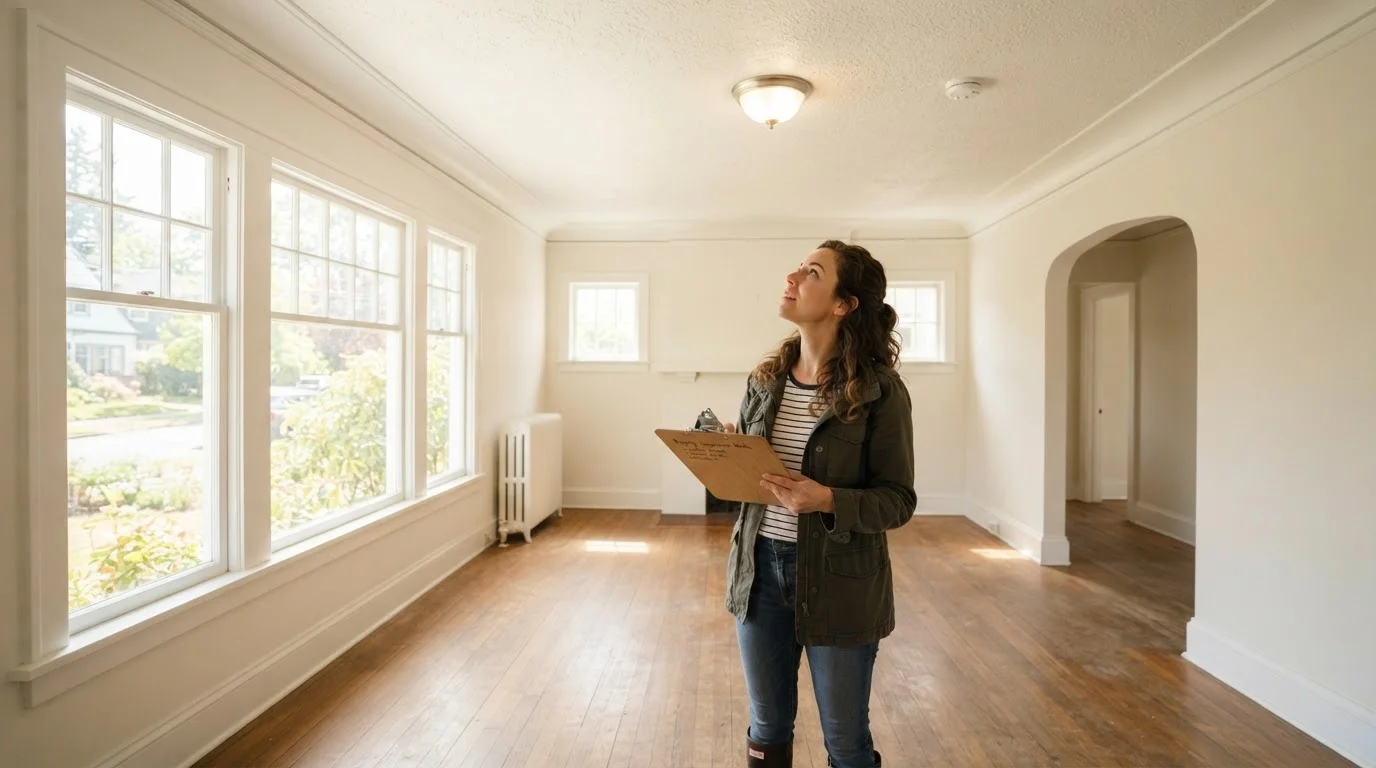
Photo: TotemBuzz.com | Your Lifestyle Companion editorial
Key Takeaways
- A general inspection report may not cover electrical, plumbing, or structural systems in detail.
- Unpermitted renovations can create legal and insurance headaches after you've already closed.
- Water damage is often hidden behind walls, under floors, or above ceiling tiles.
- Inspecting outside the building — drainage, rooflines, outbuildings — is just as important as inside.
- Attending the inspection in person gives you information a written report alone cannot convey.
Why First-Time Buyers Miss More Than They Expect
Walking through a home with an inspector can feel reassuring — someone knowledgeable is checking the place out. But first-time buyers often leave the process with a false sense of certainty. The inspection covers what's visible and accessible on one specific day; it doesn't probe inside walls, beneath slabs, or into every corner of a complex system.
The result is that buyers commonly close on a property believing they know what they're getting, then discover expensive problems within months. Understanding what inspections typically miss — and what you can do about it — is one of the most practical things you can do before making an offer. It's also worth reading about the full financial picture of buying a home, because inspection-related surprises rarely exist in isolation from other costs.
~$14,000
Median cost of surprise repairs after purchase
A survey by Porch.com found that around 86% of home buyers encounter unexpected repairs, with a median cost of roughly $14,000 in the first year of ownership.
86%
Buyers who face surprise repair costs
The same Porch.com survey found the vast majority of buyers discovered defects not identified before closing — underscoring how much a thorough inspection matters.
The Most Common Oversights — and How to Catch Them
The mistakes below aren't signs of carelessness. They're patterns that show up repeatedly because the inspection process itself has limits, and buyers don't always know how to supplement it.
Relying solely on the general inspection report without requesting specialist assessments.
Ignoring the exterior, drainage, and lot grading.
Not attending the inspection in person.
Missing signs of water intrusion because they aren't immediately visible.
Overlooking the age and condition of major systems.
It's also worth checking whether any renovations visible in the home were done with proper permits. Many projects require official sign-off that sellers don't always disclose. Your real estate attorney can pull permit records from the local authority before you finalize the purchase.
Unpermitted Work Can Become Your Problem
Getting More From the Process
A home inspection is most valuable when you treat it as a conversation, not a transaction. Go in with a list of questions based on the property's age, construction type, and any disclosures the seller has made. If something in the report is unclear, call the inspector afterward — most will walk you through their findings.
Keep in mind that even a thorough inspection is a snapshot. If you're buying an older home, a pre-purchase specialist report on the roof, foundation, or electrical system is a reasonable additional expense. Those upfront costs are far smaller than post-closing repair bills.
A Report Is Not a Guarantee
For a broader look at the assumptions that trip up new buyers, common property myths worth understanding before you sign anything. And once you've bought, home improvement resources can help you plan and prioritize what to tackle first.
This article provides general information about home inspections and the property buying process. It is not legal, financial, or professional real estate advice. Always consult a licensed inspector, real estate attorney, and other qualified professionals for guidance specific to your situation and location.
The content on this site is for informational purposes only and is not a substitute for professional advice. Always consult a qualified professional for guidance specific to your situation.