
Comprehensive vs Third-Party Insurance: What the Coverage Levels Actually Mean

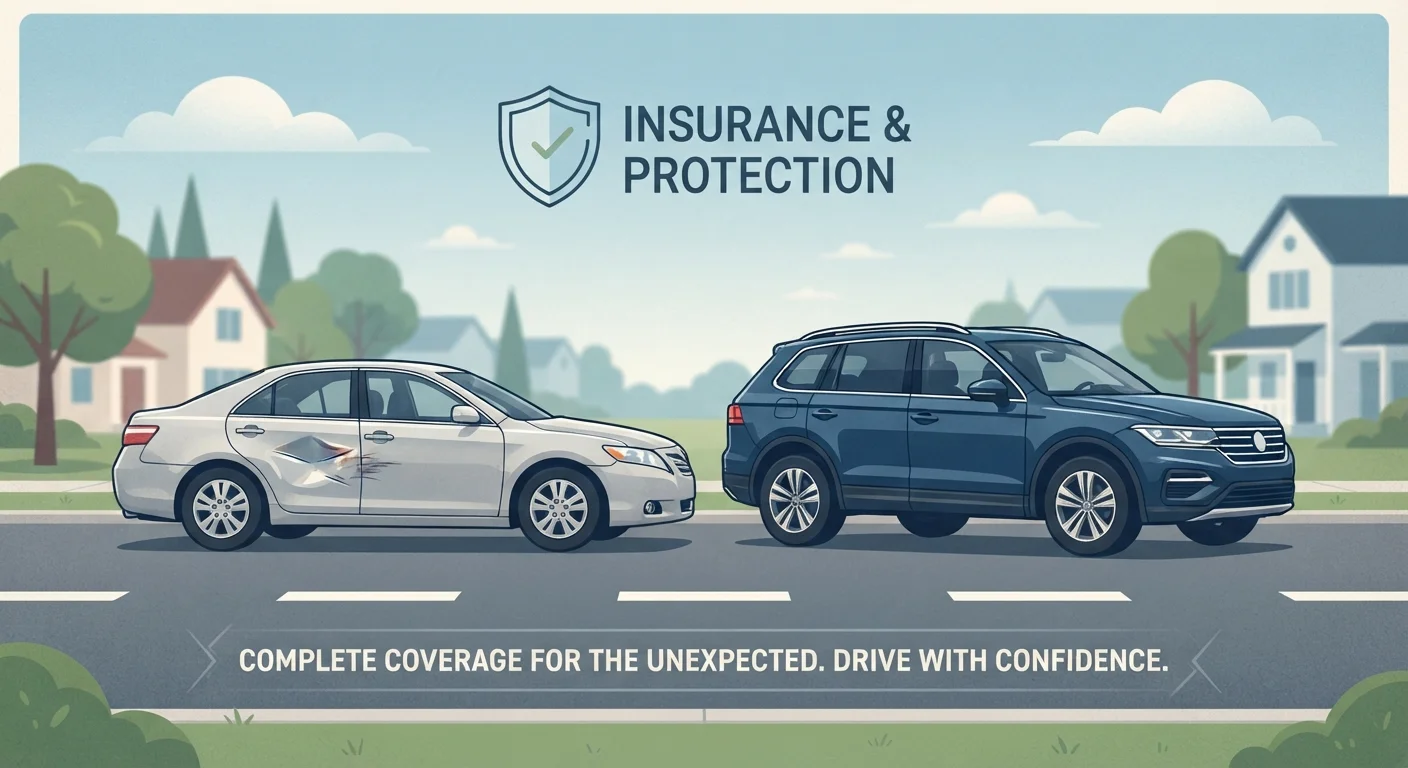
Photo: TotemBuzz.com | Your Lifestyle Companion editorial
Key Takeaways
- Third-party insurance covers damage you cause to others but does not cover your own vehicle.
- Comprehensive insurance adds protection for your own car against theft, weather, and non-collision events.
- Neither term maps perfectly onto U.S. auto insurance — understanding the underlying coverages matters most.
- State laws set minimum liability requirements; comprehensive coverage is typically optional.
- Your lender may require comprehensive and collision coverage if you are financing your vehicle.
Why These Terms Are Confusing for U.S. Drivers
If you've shopped for car insurance in the United States, you may have noticed that insurers rarely use the phrase "third-party" or "comprehensive" as standalone policy names. Instead, U.S. policies are typically built from individual coverage types — liability, collision, and comprehensive — bundled together. The terms "third-party" and "comprehensive" come up most often in comparisons or in contexts imported from the UK and Australia, where those tiers are formalized.
Still, understanding what each label represents is genuinely useful, because the underlying concepts directly explain what you're paying for — and what you're not. Think of it as decoding the building blocks before you read a policy document.
Because insurance premiums can be a significant recurring cost, it's worth fitting them into your broader monthly budget. Our reference on fixed, variable, and discretionary expenses can help you classify insurance as a fixed cost and plan accordingly.
What Third-Party Coverage Actually Means
"Third-party" insurance is shorthand for liability coverage — the protection that pays for harm you cause to someone else. In this context, the three parties are: you (the first party), your insurer (the second party), and the other person involved in the incident (the third party).
When you carry third-party insurance and cause an accident, your policy helps pay for:
- Repair or replacement of the other driver's vehicle
- Medical expenses for anyone injured in the other vehicle or on foot
- Legal costs if a lawsuit arises from the incident
What it does not cover is your own vehicle or your own medical bills. If you rear-end another car, third-party coverage handles their repairs — yours come out of pocket unless you have additional coverage.
In the U.S., every state except New Hampshire requires drivers to carry some minimum level of liability insurance. The required minimums vary significantly by state, so it's important to check your state's Department of Motor Vehicles or insurance commissioner's website for current figures.
| Criterion | Comprehensive Insurance | Third-Party Insurance |
|---|---|---|
| Covers damage to others' vehicles | Yes (via liability component) | Yes |
| Covers your own vehicle in a collision | Only with collision add-on | No |
| Covers theft, weather, fire, animals | Yes | No |
| Covers your medical bills | Only with medical/PIP add-on | No |
| Typically required by lenders | Yes | No |
| Meets state minimum requirements | Yes (includes liability) | Yes (if limits are met) |
| Relative premium cost | Higher | Lower |
What Comprehensive Coverage Actually Means
In U.S. auto insurance, comprehensive coverage has a specific technical meaning: it covers damage to your own vehicle caused by events other than a collision with another car or object. Common examples include:
- Theft or attempted theft
- Hail, flooding, or other weather-related damage
- Fire
- Hitting an animal (such as a deer)
- Vandalism or falling objects
It's important to note that comprehensive coverage alone does not cover collision damage — a separate add-on called collision coverage handles that. Drivers who want the fullest protection for their own vehicle typically carry both comprehensive and collision, alongside their liability (third-party) coverage.
~80%
U.S. drivers carrying comprehensive coverage
According to the Insurance Information Institute, roughly 80% of U.S. insured drivers carry comprehensive coverage, often as part of a full-coverage package.
50
States with unique minimum liability requirements
Every U.S. state sets its own minimum liability limits, meaning the floor for third-party coverage varies considerably depending on where you're registered.
Comprehensive coverage usually comes with a deductible — the amount you agree to pay out of pocket before your insurer covers the rest. Choosing a higher deductible generally lowers your monthly premium, and vice versa. This is general information; the right balance depends on your individual financial situation, and consulting a licensed insurance agent can help clarify your options.
If you're exploring auto insurance alongside other financial decisions, it's also worth building a basic understanding of credit, since your credit history can affect the premiums you're quoted in many states. See our overview of how credit scores work for a plain-language starting point.
How to Think About Which Level You Need
Choosing between minimal liability coverage and broader protection isn't purely a matter of preference — several practical factors genuinely shape the decision:
- Your vehicle's age and market value
- If your car is older and worth relatively little, the annual cost of comprehensive and collision coverage might approach or exceed what you'd receive in a payout. In that scenario, some drivers elect to carry only liability coverage. However, this is a personal financial calculation, not a universal rule.
- Whether you're financing or leasing
- Lenders typically require comprehensive and collision coverage as a condition of the loan or lease. This removes the choice from the equation until the vehicle is paid off.
- Your tolerance for out-of-pocket risk
- Third-party-only coverage leaves your own vehicle fully exposed. If an unexpected repair bill would cause genuine financial hardship, broader coverage provides a buffer — though it comes at a higher premium.
Auto insurance shares some conceptual territory with other protective products. For a different angle on how protection plans work, our article on how warranties are structured offers a useful comparison.
This article is for general informational and educational purposes only and does not constitute personalised insurance, financial, or legal advice. Coverage terms, requirements, and pricing vary by state and provider. Always read your actual policy documents carefully and consult a licensed insurance agent or adviser for guidance specific to your situation.
The content on this site is for informational purposes only and is not a substitute for professional advice. Always consult a qualified professional for guidance specific to your situation.