
Fixed, Variable, and Discretionary Expenses: A Plain-Language Reference

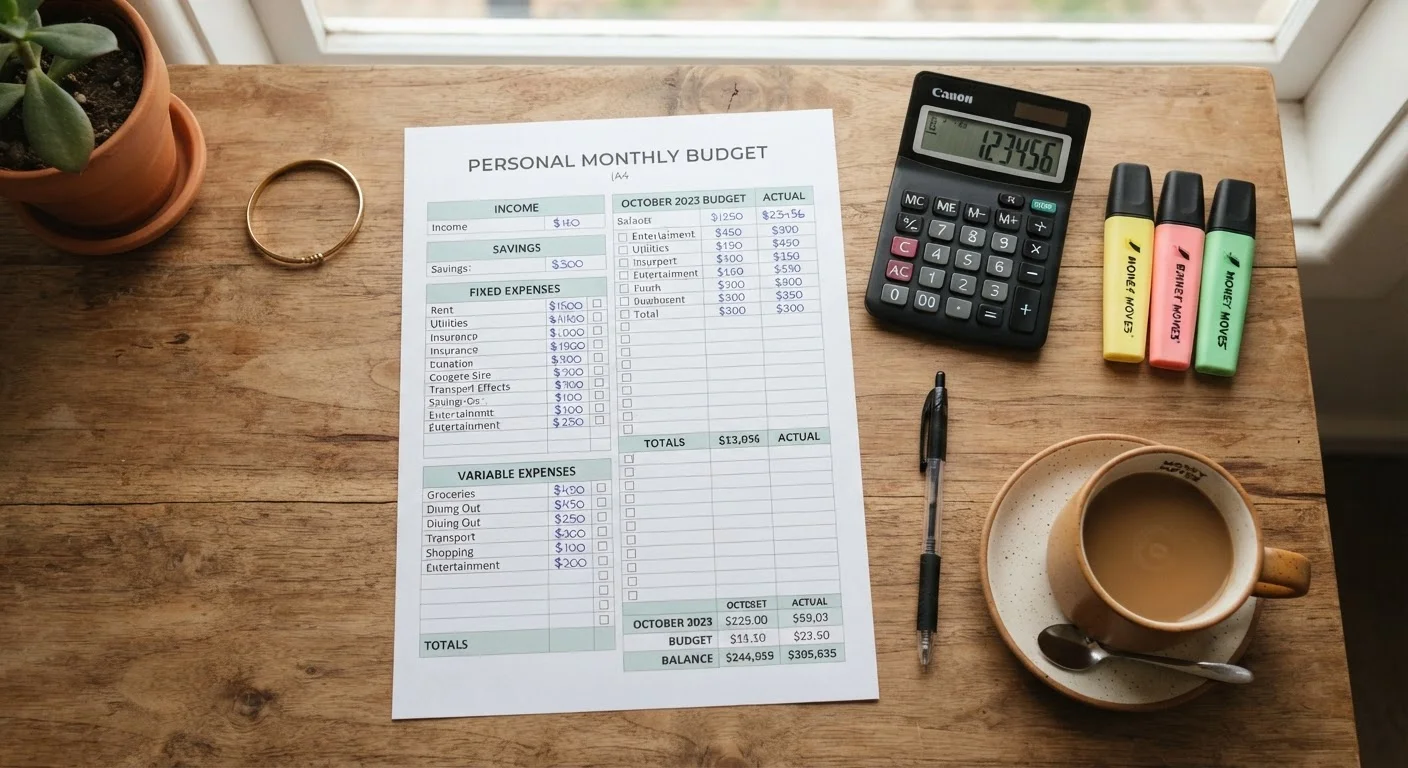
Photo: TotemBuzz.com | Your Lifestyle Companion editorial
Why Expense Categories Matter
Before you can build a budget, you need a shared vocabulary. Most personal finance systems organize spending into three categories: fixed expenses, variable expenses, and discretionary expenses. Understanding what each one means — and where your own spending lands — gives you a clear map of where your money goes every month.
These categories are not just accounting labels. They tell you which parts of your budget are easy to cut and which are locked in, at least for now. That knowledge shapes every decision you make when income changes, an unexpected bill arrives, or you want to redirect money toward a goal.
For a broader look at how these categories fit into a full spending plan, see our guide to spending categories every personal budget should include.
| Expense categories | Fixed, Variable, Discretionary |
| Fixed expense characteristic | Same amount every billing period |
| Variable expense characteristic | Necessary but amount fluctuates monthly |
| Discretionary expense characteristic | Optional; based on wants, not needs |
| Most budget-flexible category | Discretionary expenses |
| Hardest category to reduce quickly | Fixed expenses |
Fixed Expenses: The Predictable Ones
A fixed expense is a recurring cost that stays the same amount each billing period. You owe the same dollar figure every month regardless of how much you use the service or how your income fluctuates.
Common examples include:
- Rent or mortgage payments
- Car loan payments
- Student loan payments
- Insurance premiums (health, renters, auto)
- Internet service at a flat monthly rate
Fixed expenses are the easiest to plan for because they don't surprise you. The trade-off is that they're also the hardest to reduce quickly — lowering a rent payment typically requires moving, and refinancing a loan takes time. If you're curious how fixed-rate structures work in a lending context, our article on fixed-rate vs. variable-rate mortgages goes deeper on that concept.
Variable Expenses: The Fluctuating Ones
A variable expense is also a regular, necessary cost — but the amount changes from month to month based on usage or circumstance.
Common examples include:
- Groceries
- Utilities (electricity, gas, water)
- Gasoline
- Out-of-pocket medical costs
- Household supplies
Variable expenses are necessary but manageable. Because the amount shifts, you have real opportunities to influence them — shopping sales, adjusting the thermostat, or consolidating errands can all trim these costs without eliminating the category entirely. Budget for these using an average of several recent months rather than a single month's figure.
Fixed Expense
A recurring cost that remains the same amount each billing period, such as rent or a loan payment. Fixed expenses are predictable but typically difficult to reduce quickly.
Variable Expense
A necessary, recurring cost whose amount changes from month to month based on usage or circumstance. Groceries and utilities are classic examples.
Discretionary Expense
Spending on wants rather than needs — items or experiences that are optional but contribute to lifestyle and enjoyment. These are usually the most flexible part of a budget.
Budget Baseline
The minimum amount of money required each month to cover all fixed and essential variable expenses before any discretionary spending is considered.
Irregular Expense
A cost that does not occur every month but is predictable over the year, such as an annual insurance premium or a seasonal utility spike. Best handled by setting aside a small amount each month in advance.
Discretionary Expenses: The Flexible Ones
A discretionary expense is spending that is not required to meet basic needs. These are wants rather than needs — things you choose to spend on for enjoyment, convenience, or lifestyle.
Common examples include:
- Dining out or ordering delivery
- Streaming subscriptions
- Gym memberships
- Entertainment and hobbies
- Clothing beyond necessities
- Travel and vacations
Discretionary expenses are where most people find the most immediate flexibility when they need to free up money. That doesn't mean they're unimportant — many of them support wellbeing and quality of life. The goal of labeling them isn't to eliminate them, but to make conscious choices about how much of your income they should represent.
Some Expenses Straddle Categories
Once you understand these three categories, the logical next step is to apply them month by month. Our monthly budget reset checklist walks you through a structured review process you can use repeatedly.
This article is for general informational purposes only and does not constitute personalized financial advice. Consider consulting a licensed financial professional for guidance tailored to your situation.
The content on this site is for informational purposes only and is not a substitute for professional advice. Always consult a qualified professional for guidance specific to your situation.